
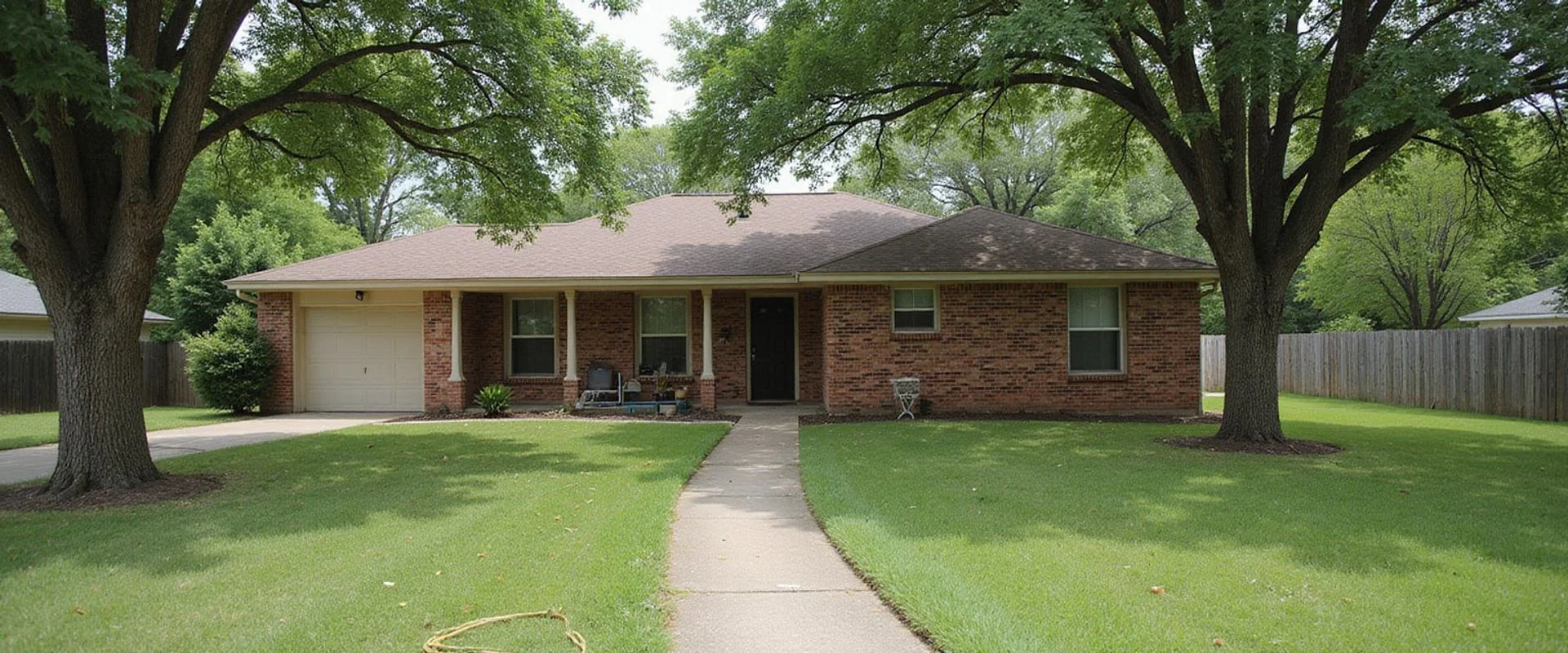
Foundation Repair Across Austin, TX
Austin spans two very different ground conditions, so foundation behaviour changes from one side of town to the other. We evaluate each property on its own terms and explain what we find in plain language before anyone talks about scope.
- Fast Local Response
- Written findings you keep
- Local soil and geology context
- 4.9 (300+ Google reviews)
- Licensed & insured in Texas
- Fast Local Response
- Written Scope & Warranty
Signs of a Foundation Problem? Sound Familiar.
These are the four situations Austin homeowners bring to us most often. None of them is proof of a problem on its own, and none of them should be dismissed either.
A crack appeared and you cannot read it
Stair-step cracks in brick, a diagonal line from a door frame, a gap at the trim. A crack is an observation, not a diagnosis, and width alone does not settle anything.
Floors feel uneven or doors stopped closing
Sloping floors and binding doors are movement cues. Whether they reflect settlement, heave, humidity or original construction takes measurement to answer.
Quotes came back wildly different
Two proposals can cover different work locations, different systems, and completely different exclusions. Until you compare scope line by line, the prices mean very little.
You do not know who to call first
A contractor evaluation and a licensed engineer’s assessment are not the same thing. Which one you need depends on the decision you are trying to make.
We work through all four the same way: observe, measure, explain, then discuss scope only once you understand what the readings show.
Read about foundation warning signsFoundation Services in Austin
Austin spans two very different ground conditions, so foundation behaviour changes from one side of town to the other. We evaluate each property on its own terms and explain what we find in plain language before anyone talks about scope.
 Most requested
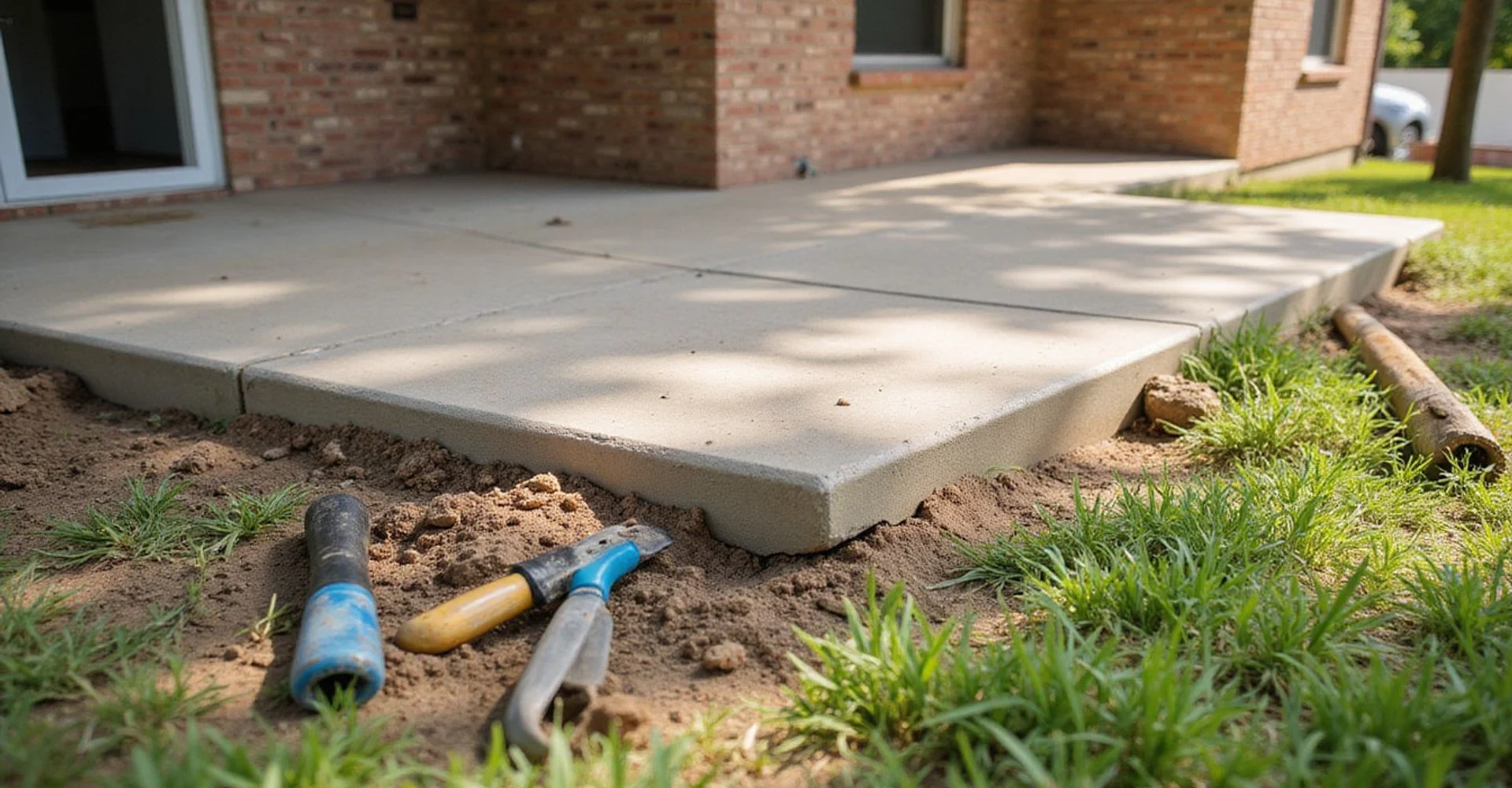
 Slab Foundation Repair
Repair for slab-on-grade foundations: what evaluation examines, the approaches that may apply, and how access and restoration factor into scope.
Learn more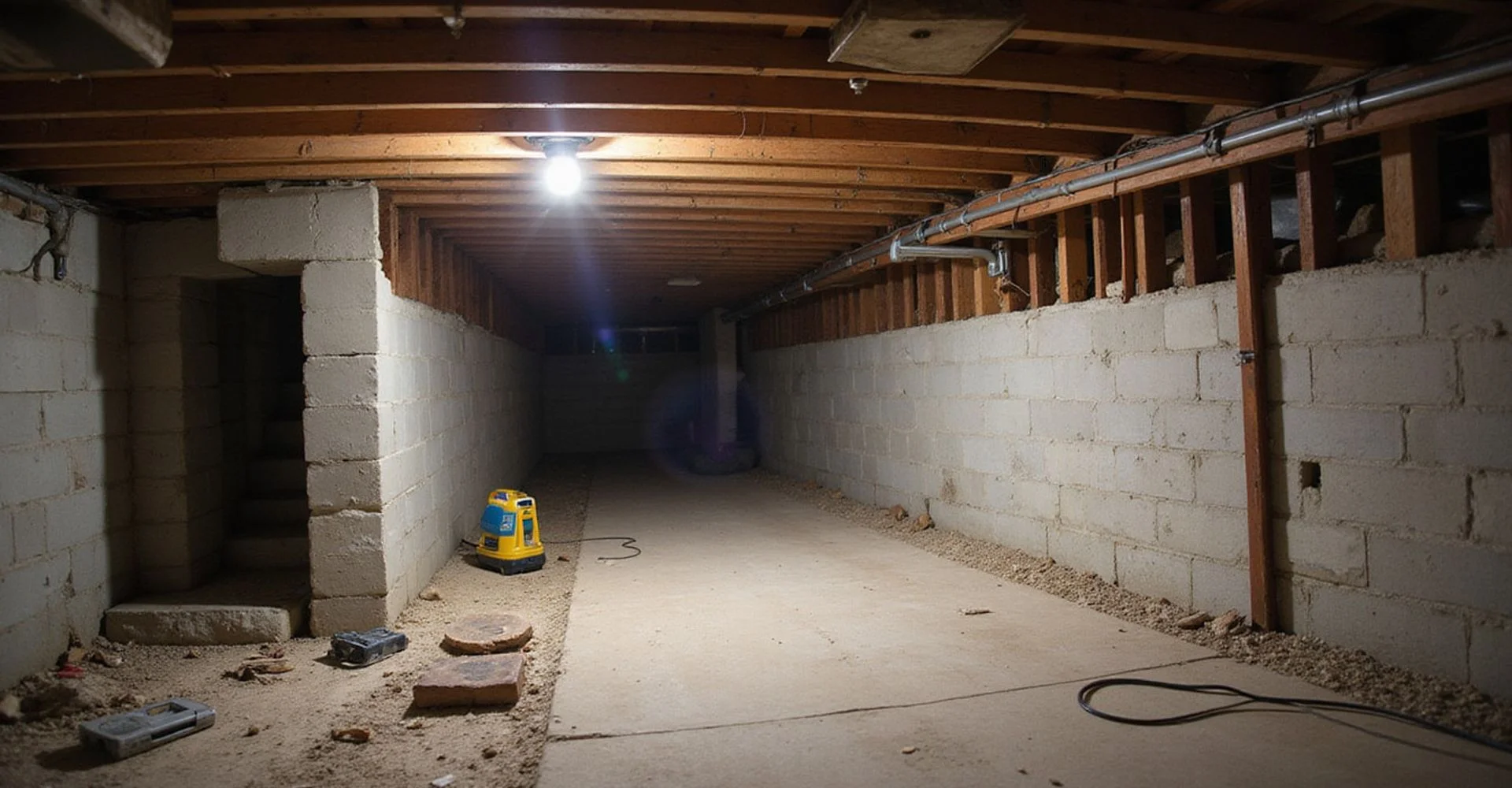
Pier-and-Beam Repair
Repair for pier-and-beam foundations: piers, beams, joists, crawlspace moisture and deterioration, plus realistic leveling objectives.
Learn more Start here
 Foundation Evaluation
What an evaluation examines, who attends, the written deliverables you receive, and the next steps toward a quote.
Learn more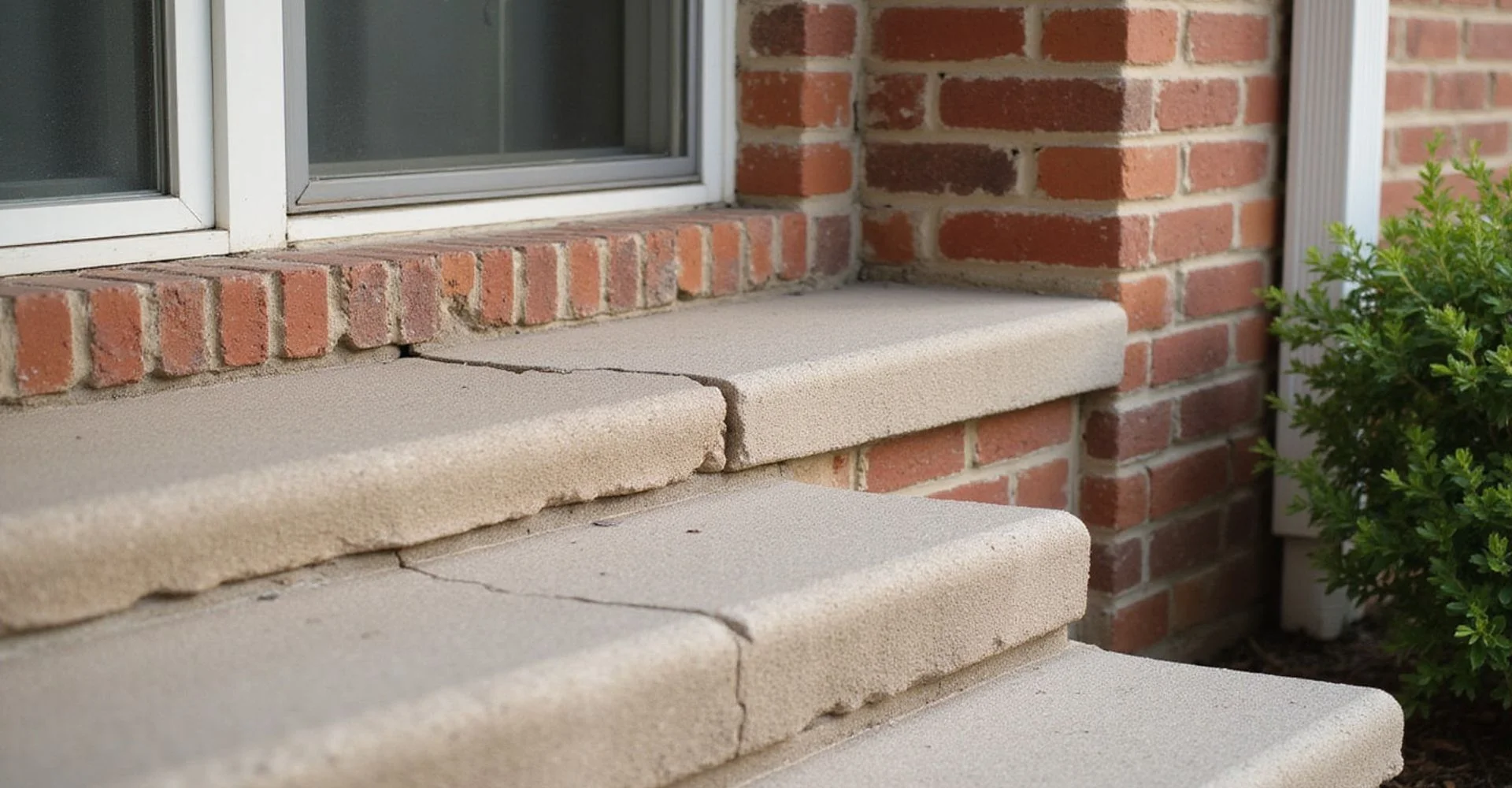
Foundation Warning Signs
What common foundation observations may indicate, what cannot be judged from appearance, and when to get an evaluation.
Learn more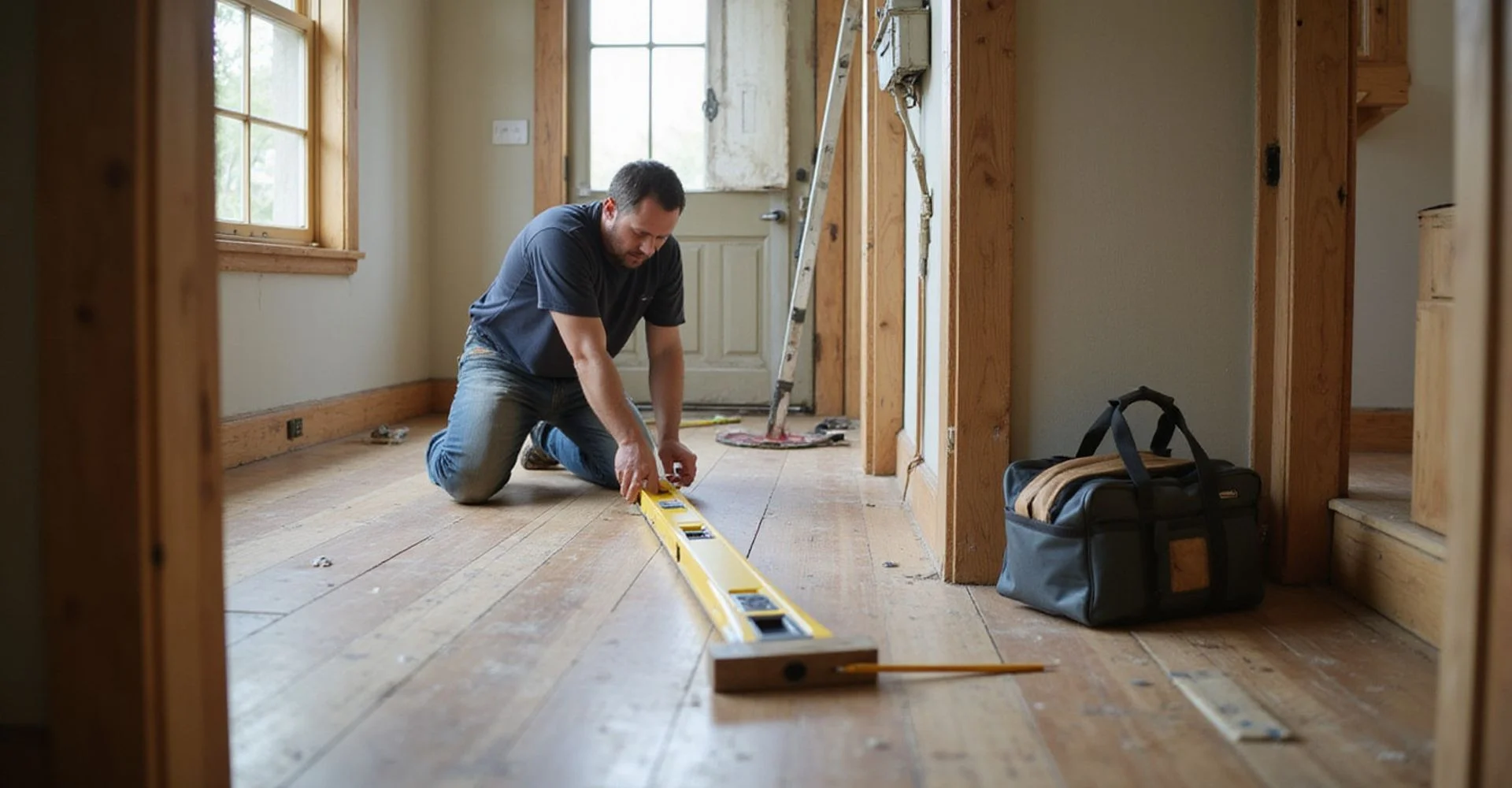
House Leveling
How leveling relates to foundation repair, what it can realistically achieve, and the limits worth understanding before you start.
Learn more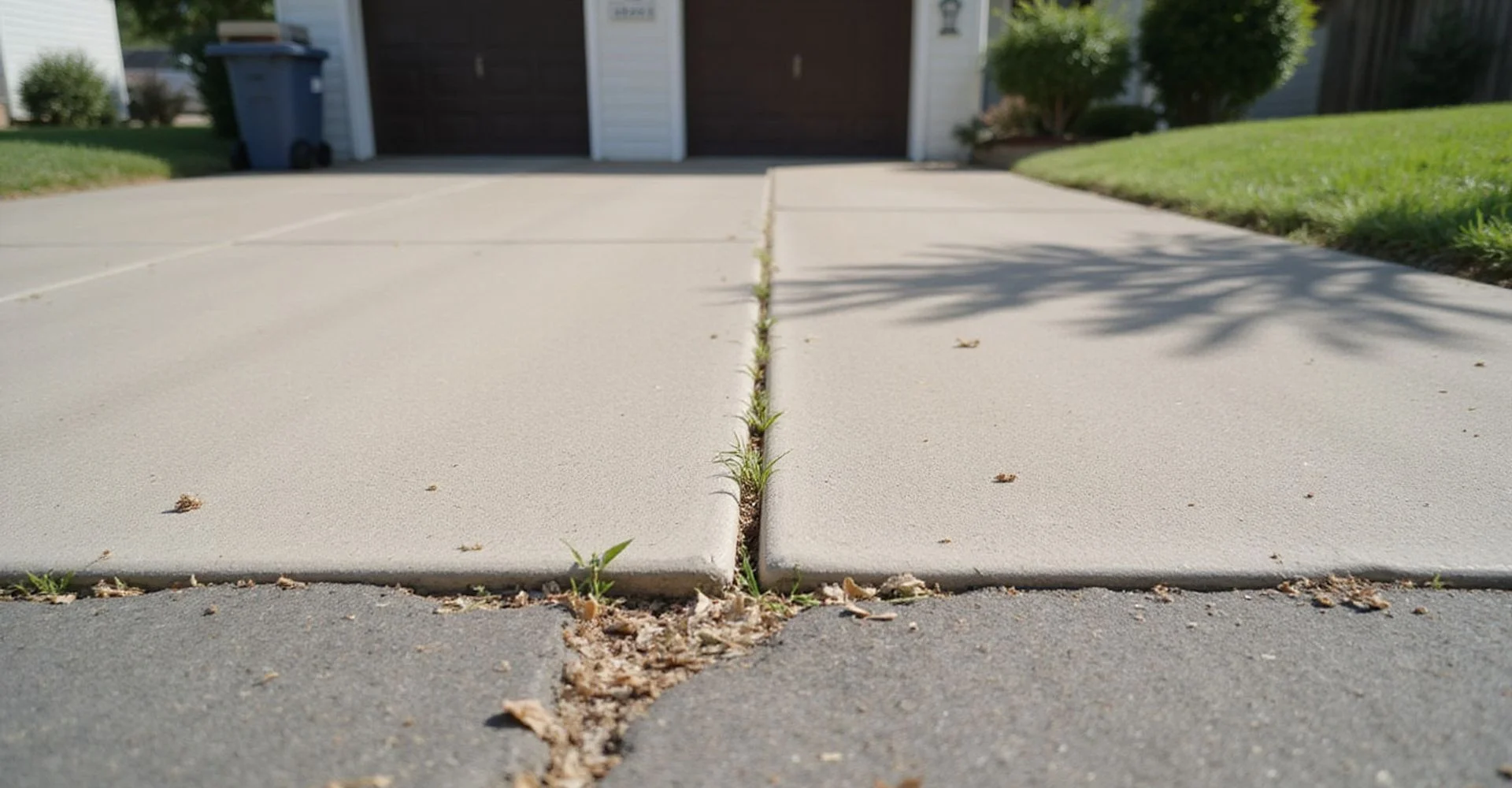
Concrete Leveling
Leveling for settled driveways, patios and sidewalks: foam injection versus mudjacking, what it addresses, and what it does not.
Learn more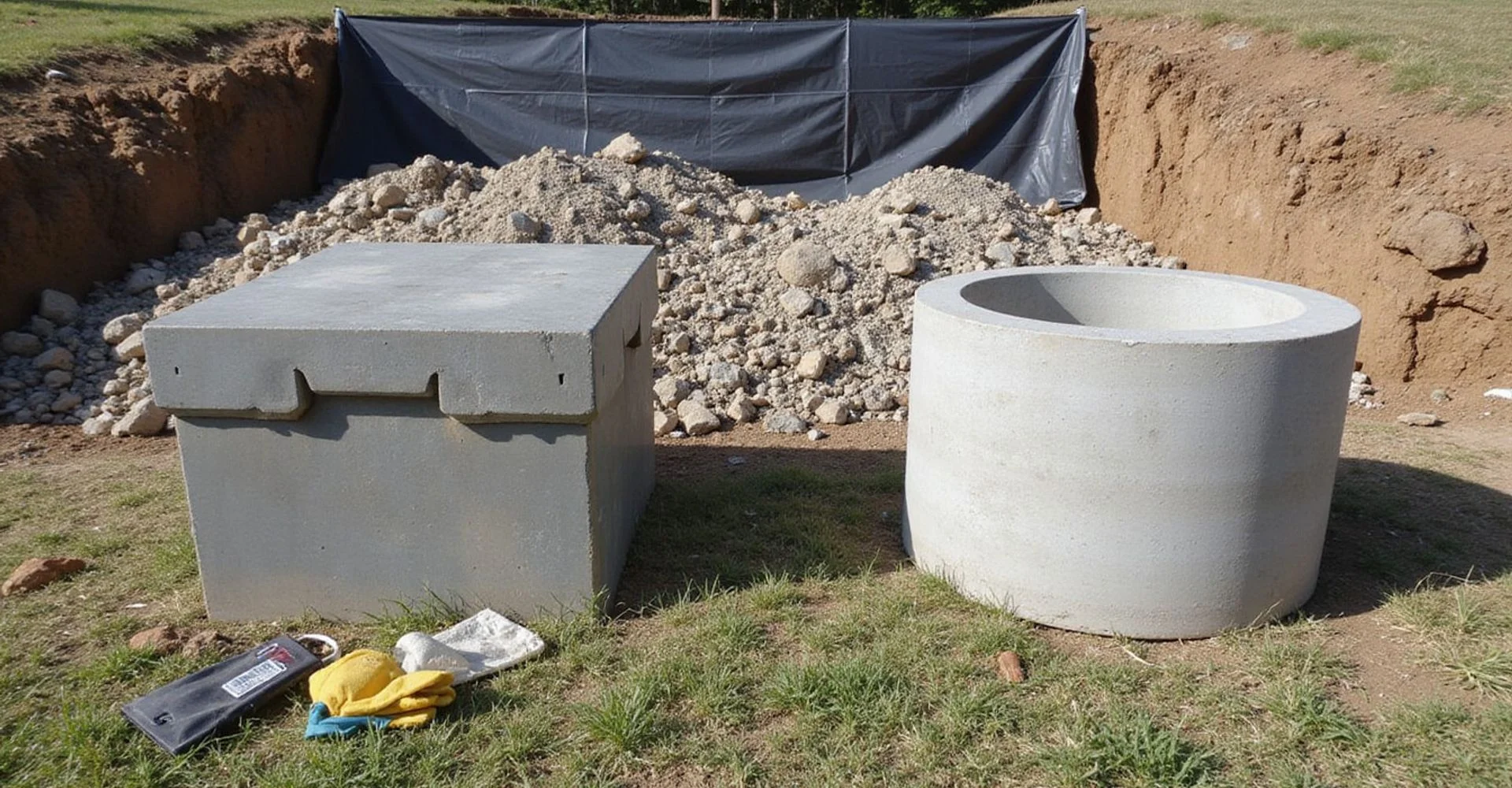
Repair Methods
Steel piers, drilled concrete and pressed systems explained accurately, and why methods are never interchangeable.
Learn moreWhy Austin Homeowners Start Here
We explain what your observations may indicate before anyone discusses repair scope
Elevation readings across the main living areas, written down and left with you
Local knowledge of Blackland Prairie clay, Edwards limestone, and the Balcones Fault Zone
Clear distinction between a contractor evaluation and a licensed engineering assessment
Written scope, exclusions, and warranty terms so quotes can be compared honestly
No diagnosis from photos and no pressure to book work on the spot
Evaluation and Quotation for Austin Homes
- 1
Tell us what you see
Send a short description through the quote form or call us. Photos and a rough timeline of when things changed help us prepare, though we never diagnose from a photo.
- 2
On-site evaluation
We take relative elevation readings across the main living areas, walk the exterior for drainage and grading, look at the observations that concerned you, and review any repair history.
- 3
Written findings
You receive a written summary with the readings and what they indicate, including anything that cannot be determined from a single visit. It is yours to keep either way.
- 4
A quote you can compare
If work makes sense, the proposal sets out work locations, method, inclusions, exclusions, schedule and warranty terms, so you can place it next to any other quote fairly.
Most single-storey evaluations take about an hour. Larger homes and pier-and-beam properties with crawlspace access take longer.
Not sure whether what you are seeing in Austin is serious?
Ask us. We will tell you what an evaluation can and cannot determine before you commit to anything.
Getting to Your Austin Property
Austin is a wide service area and traffic shapes how we schedule. We group evaluations by corridor so appointments stay predictable: I-35 and US-183 for Central, North and East Austin; MoPac (Loop 1) for the western neighbourhoods; South Lamar, South Congress and Ben White (SH-71) for South Austin; and US-290 east toward Manor and Del Valle.
Morning appointments in Central Austin and afternoon appointments south of the river usually avoid the worst of the peak-hour backups. If your street has restricted parking, an alley approach, or a gate code, tell us when you book and we will plan for it. Evaluations are a walk-through with measurements, so we need interior access to the main living areas and a clear path to the perimeter.
For pier-and-beam homes we also need crawlspace access. If the access hatch is under a deck, behind stored items, or has been sealed, let us know in advance so the appointment is productive rather than a scheduling exercise.
Austin Housing Stock and What It Means for Your Foundation
Austin's housing mix is unusually broad, and foundation type is the single biggest factor in how a property behaves.
Pre-1960 homes in Hyde Park, Clarksville, Travis Heights, Bouldin and parts of East Austin are frequently pier-and-beam: wood girders and joists carried on masonry or concrete piers over a crawlspace. These homes show movement as sloping or bouncy floors, gaps at baseboards, and doors that bind seasonally. Crawlspace moisture and wood deterioration matter as much as soil here.
Post-1970 homes across South Austin, North Austin, Del Valle and Manor are overwhelmingly slab-on-grade, often with brick or stone veneer. Movement shows up as stair-step cracks in the veneer, diagonal drywall cracks from door and window corners, and separation at trim.
Newer infill and rebuilds on older lots add another variable: fill placed during construction, re-graded yards, and mature trees that were kept. Two houses on the same block can sit on different depths of fill and behave differently.
We do not assume a repair approach from the neighbourhood or the age of the house. Foundation type narrows the questions; the evaluation answers them.
What Austin Customers Say
Feedback from homeowners who wanted an explanation first and a quote second.
“They walked us through what the cracks might mean before recommending anything. The written evaluation was clear and we never felt pressured.”
“Our pier-and-beam home had bouncy floors. The crawlspace assessment and plain-language explanation of the scope made the quote easy to understand.”
“We were buying a 1940s bungalow and needed to understand the previous repair. They reviewed the records with us and explained what was still open.”
Reviews shown are representative of the feedback we receive. We publish permissioned customer reviews only and never invent projects, measurements or outcomes. Read more about our review policy.
Neighbourhoods We Cover in Austin
Austin is part of the wider area served by our foundation repair company in Austin, and the same evaluation-first approach applies across every neighbourhood below.
Foundation Questions in Austin
Which parts of Austin do you cover?
We cover the City of Austin and Travis County, including Central Austin, Hyde Park, Clarksville, Travis Heights, South Austin, East Austin, North Austin, Manor and Del Valle. If you are outside these areas, check our Service Areas page or ask us directly.
Is I-35 really the dividing line for Austin soils?
No. It is a rough shorthand, not a boundary. The Balcones Fault Zone contains multiple faults and the geology changes gradually across it. Expansive Blackland Prairie clay dominates east of the corridor and Edwards limestone and caliche dominate west, but mapped geology and site conditions matter far more than a highway line.
My Austin home is pier-and-beam. Is that different from slab repair?
Yes, substantially. Pier-and-beam homes have an accessible crawlspace with wood girders, joists and sill plates carried on piers. Assessment looks at wood condition, moisture and support, not just soil movement. Leveling is done by adjusting support rather than driving piers under a slab.
How long does an evaluation take in an Austin home?
For most single-storey homes, allow around an hour. We take relative elevation readings across the main living areas, walk the exterior to review drainage and grading, look at the visible observations that concerned you, and review any repair history you have. Larger or pier-and-beam homes with crawlspace access take longer.
Do I need a permit for foundation work in Austin?
Often yes, depending on the scope. The City of Austin Development Services Department handles residential permitting inside the city limits, and requirements differ in unincorporated Travis County and in neighbouring jurisdictions. Our guide on foundation repair permits in Austin explains how this usually works and what to confirm in a proposal.
Should I water my foundation during an Austin summer?
Consistent soil moisture generally reduces shrink-swell stress on clay soils, and letting the perimeter dry out completely then soaking it is worse than steady watering. The goal is even moisture, not saturation. Our foundation maintenance guide covers practical approaches and what to avoid.
Still have a question?
If your situation isn't covered here, ask us directly. We'll tell you what an evaluation can and cannot answer.
Ask About Your FoundationAustin Coverage Area
Areas Near Austin
Ground conditions change quickly across Central Texas. Here is what we see in the communities next door.
Foundation Repair in Round Rock
Round Rock sits on Blackland Prairie clay with high shrink-swell potential, which is why seasonal movement is such a common conversation here. We evaluate the property, measure what is actually happening, and explain it before discussing scope.
Foundation Repair in Pflugerville
Pflugerville's newer subdivisions sit on expansive clay, and much of the movement we assess here traces back to grading and drainage on heavily graded lots. We measure first and explain what the readings mean for your home.
Foundation Repair in Cedar Park / Leander
Cedar Park and Leander sit in the limestone and caliche transition, where shallow rock and slope change the questions an evaluation has to answer. Ground here behaves very differently from the clay belt east of I-35.
Foundation Repair in West Lake Hills
West Lake Hills combines Hill Country slope, fractured rock and older custom homes. Drainage on steep lots and irregular original construction make site-specific evaluation especially important here.
Need foundation help in Austin?
Fast Local Response. Written findings, clear scope, and no pressure to decide at the appointment.
- Written scope and exclusions
- No diagnosis from photos
- Licensed and insured in Texas