
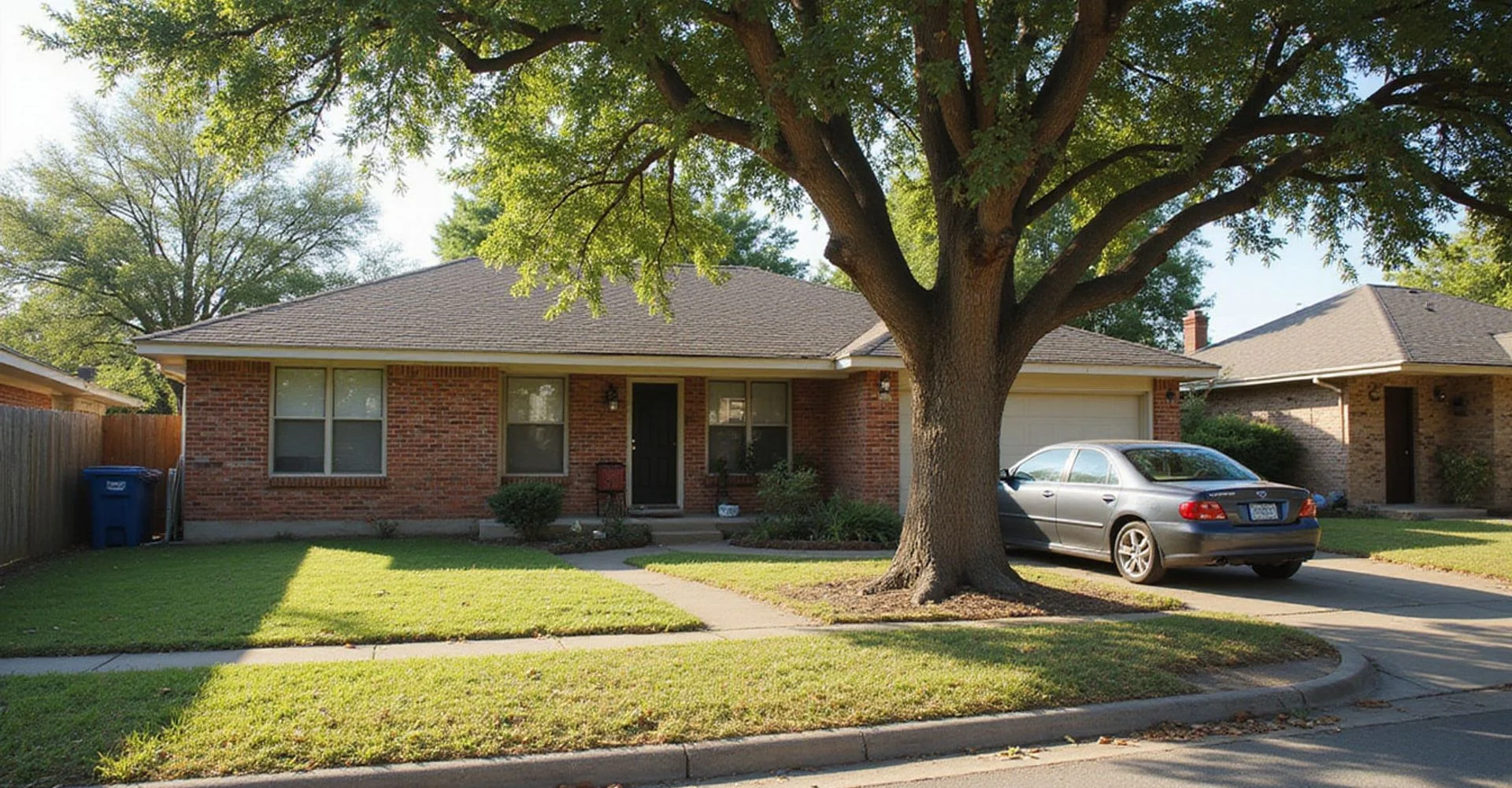
Foundation Repair in
Austin, TX
Concerned about cracks, uneven floors, or sticking doors?
Learn what your foundation concern may mean in plain language, then request a clear, documented quote for your Austin-area property. No pressure, no guesswork.
- Licensed & insured in Texas
- Written scope & warranty terms
- Slab and pier-and-beam
- Foundation types covered
- Slab & Pier-and-Beam
- Evaluation deliverable
- Written Findings
- Communities served
- 15+ Communities
Both evaluated properly
Elevation readings you keep
Across Central Texas
Thanks — your request has been received.
We'll review the information and contact you to discuss your property and the next steps.
- 4.9 (300+ Google reviews)
- Licensed & insured in Texas
- Fast Local Response
- Written Scope & Warranty
Signs of a Foundation Problem? Sound Familiar.
These are the four situations Austin homeowners bring to us most often. None of them is proof of a problem on its own, and none of them should be dismissed either.
A crack appeared and you cannot read it
Stair-step cracks in brick, a diagonal line from a door frame, a gap at the trim. A crack is an observation, not a diagnosis, and width alone does not settle anything.
Floors feel uneven or doors stopped closing
Sloping floors and binding doors are movement cues. Whether they reflect settlement, heave, humidity or original construction takes measurement to answer.
Quotes came back wildly different
Two proposals can cover different work locations, different systems, and completely different exclusions. Until you compare scope line by line, the prices mean very little.
You do not know who to call first
A contractor evaluation and a licensed engineer’s assessment are not the same thing. Which one you need depends on the decision you are trying to make.
We work through all four the same way: observe, measure, explain, then discuss scope only once you understand what the readings show.
Read about foundation warning signsFoundation Services for Austin-Area Homes
Each service page explains what the work covers, what an evaluation examines, and what drives scope and cost. What changes by foundation type is spelled out rather than glossed over.
 Most requested
 Slab Foundation Repair
Repair for slab-on-grade foundations: what evaluation examines, the approaches that may apply, and how access and restoration factor into scope.
Learn more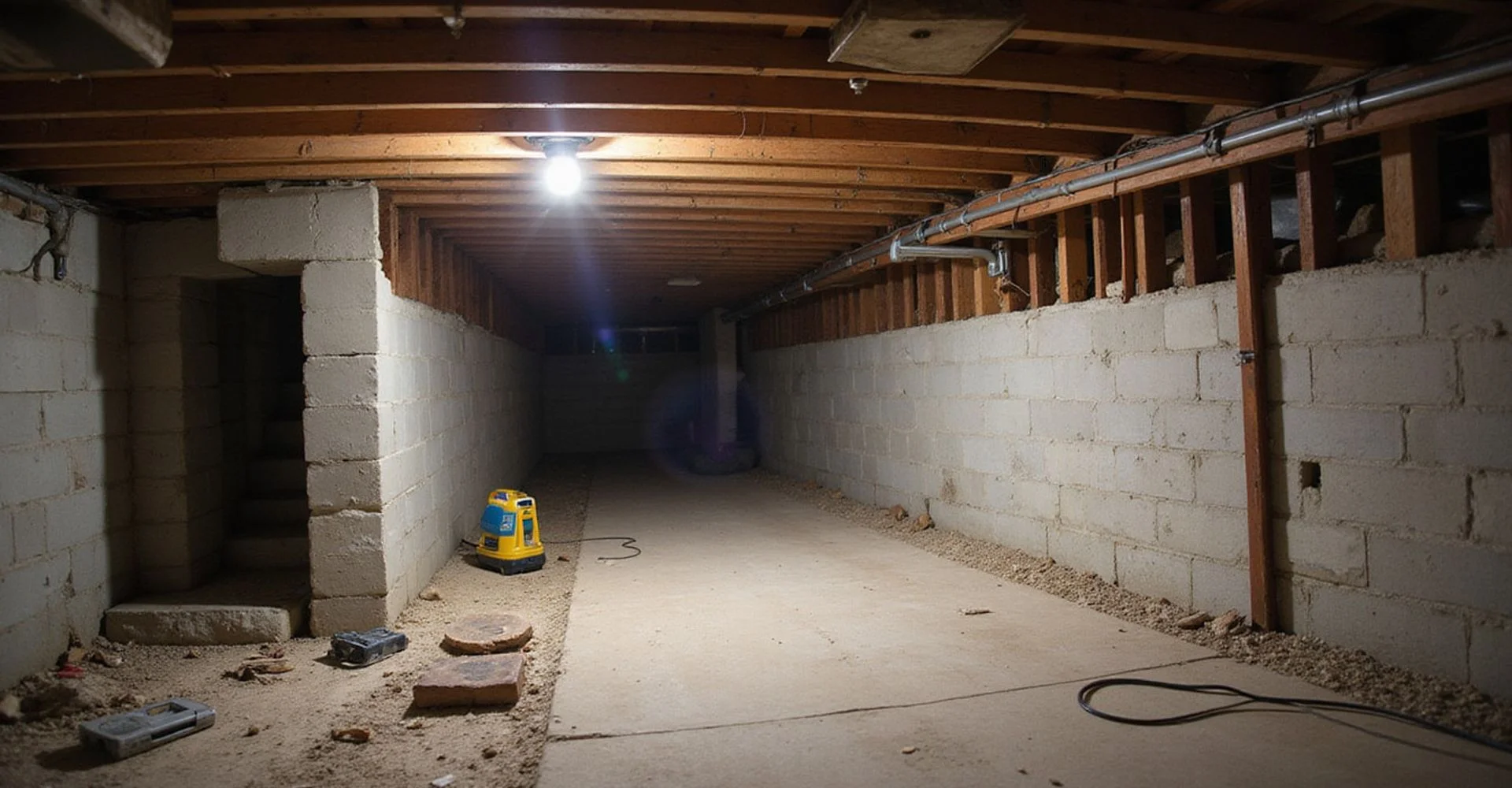
Pier-and-Beam Repair
Repair for pier-and-beam foundations: piers, beams, joists, crawlspace moisture and deterioration, plus realistic leveling objectives.
Learn more Start here
 Foundation Evaluation
What an evaluation examines, who attends, the written deliverables you receive, and the next steps toward a quote.
Learn more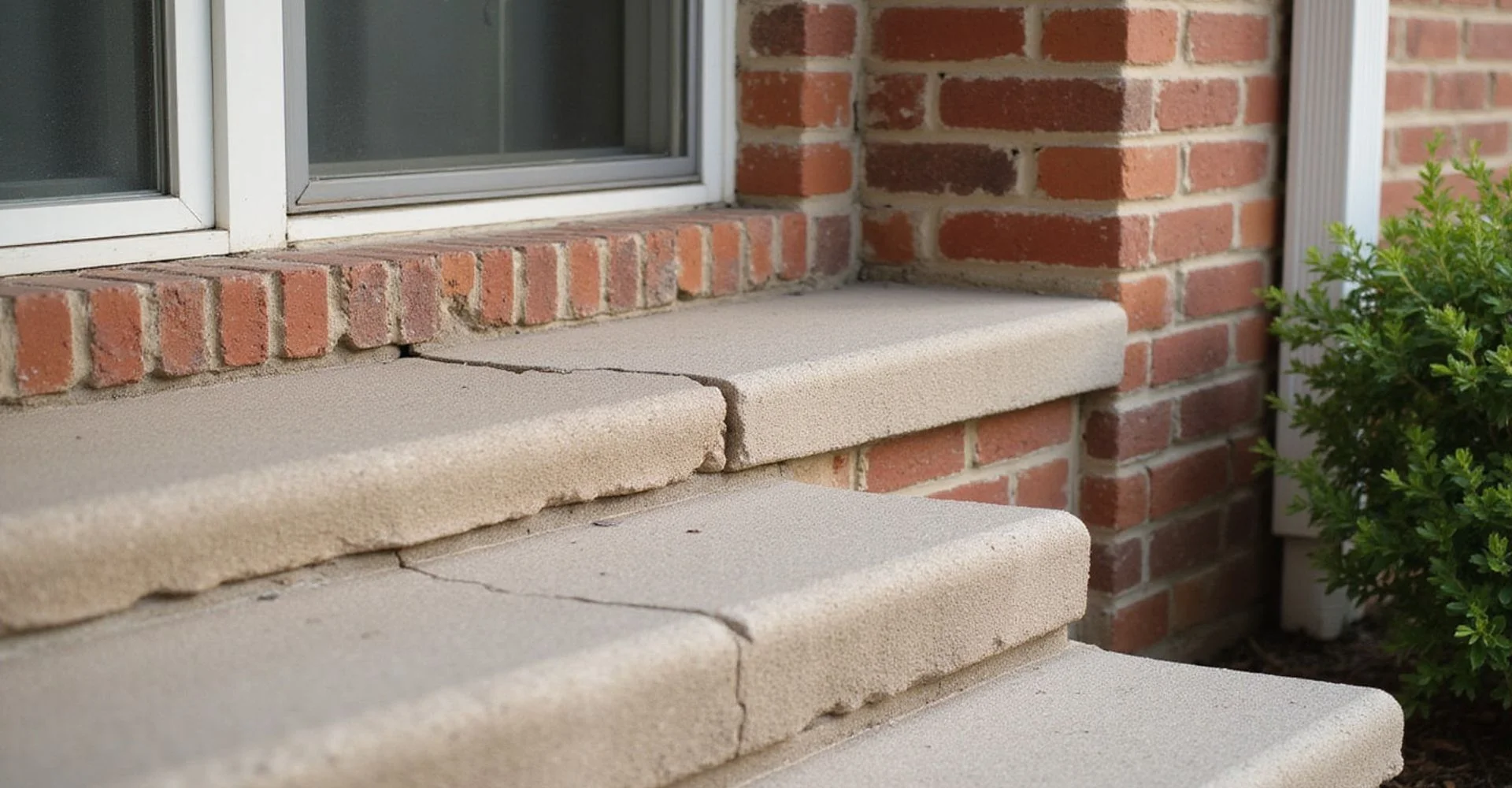
Foundation Warning Signs
What common foundation observations may indicate, what cannot be judged from appearance, and when to get an evaluation.
Learn more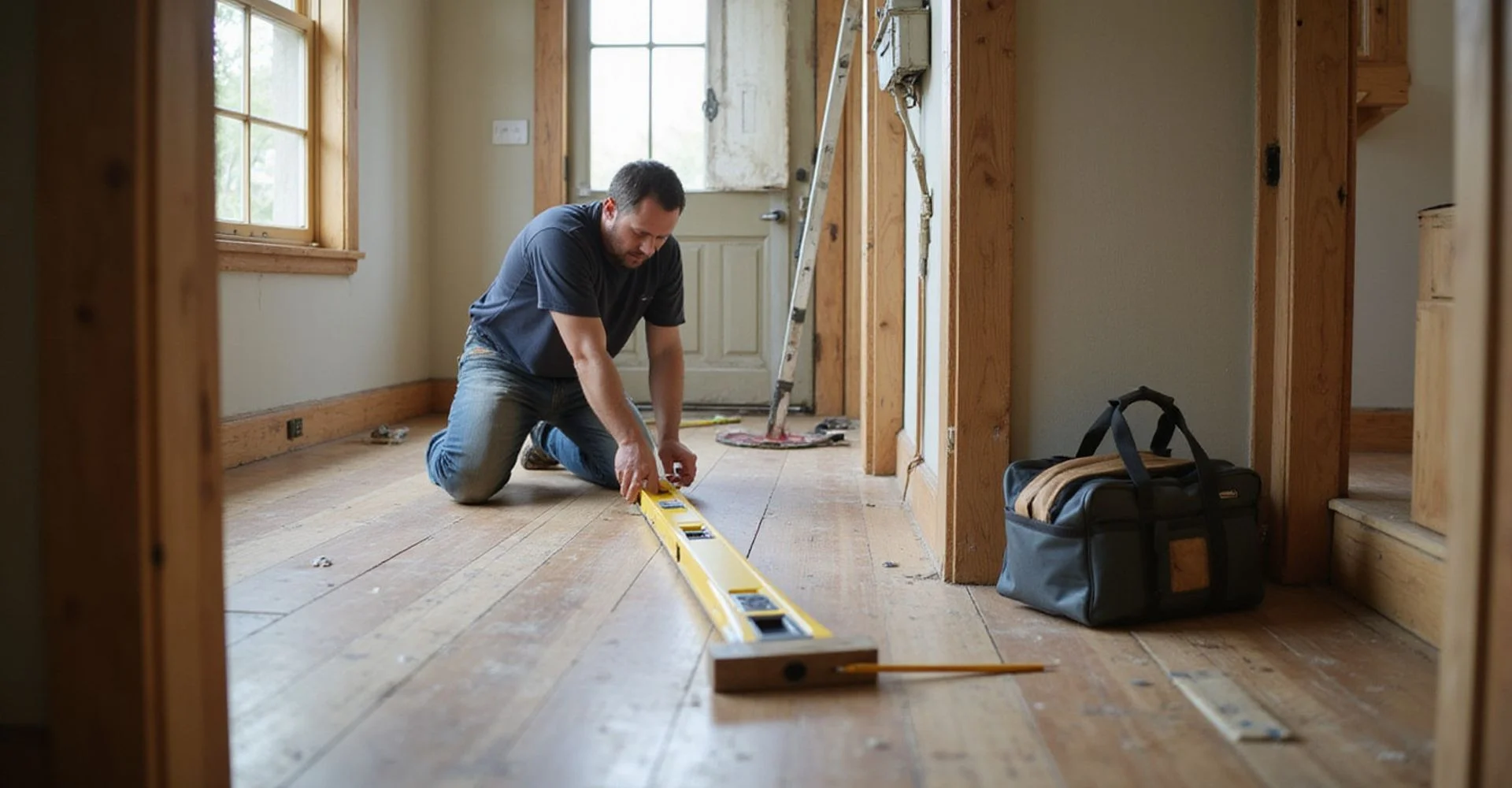
House Leveling
How leveling relates to foundation repair, what it can realistically achieve, and the limits worth understanding before you start.
Learn more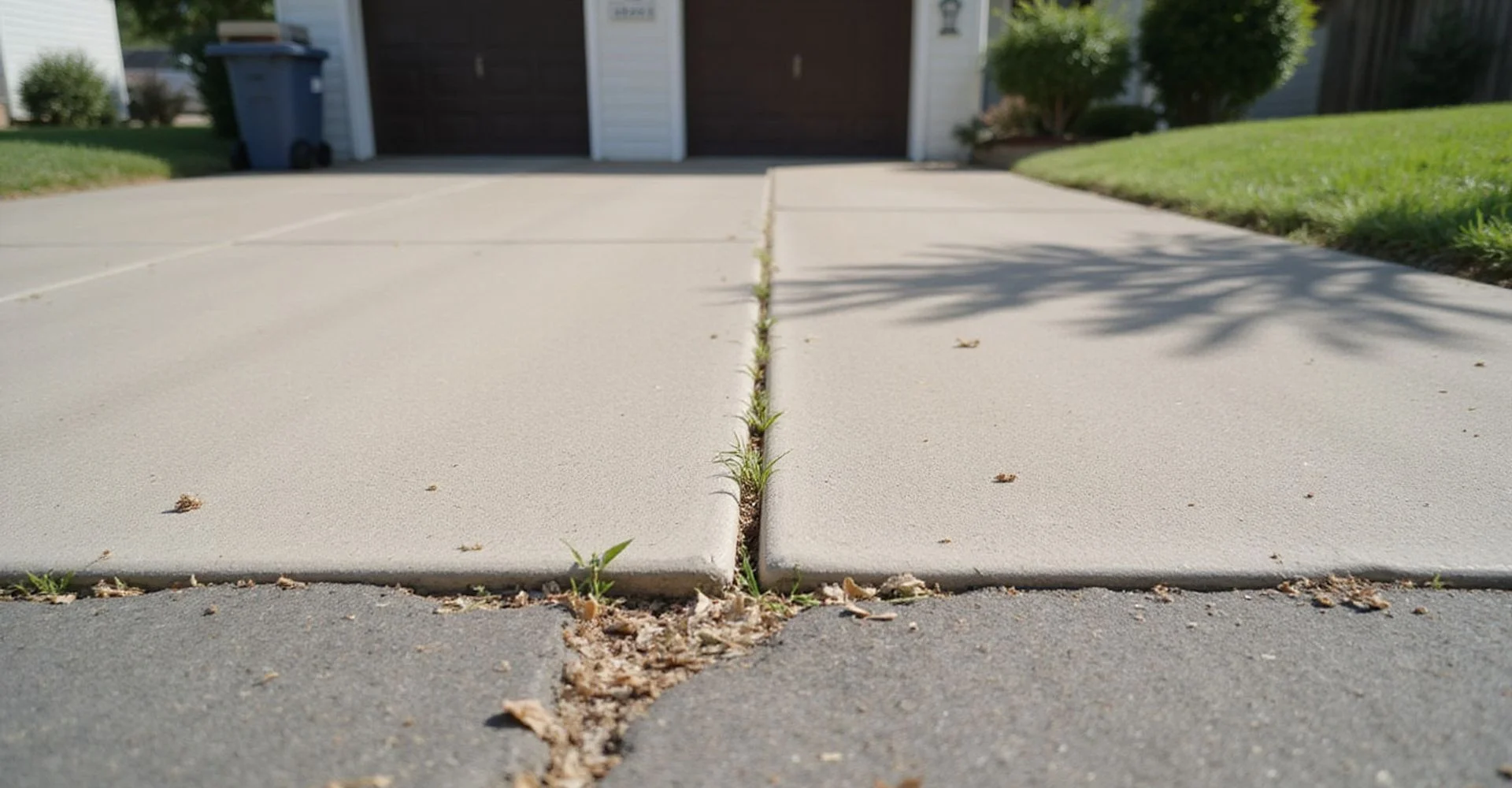
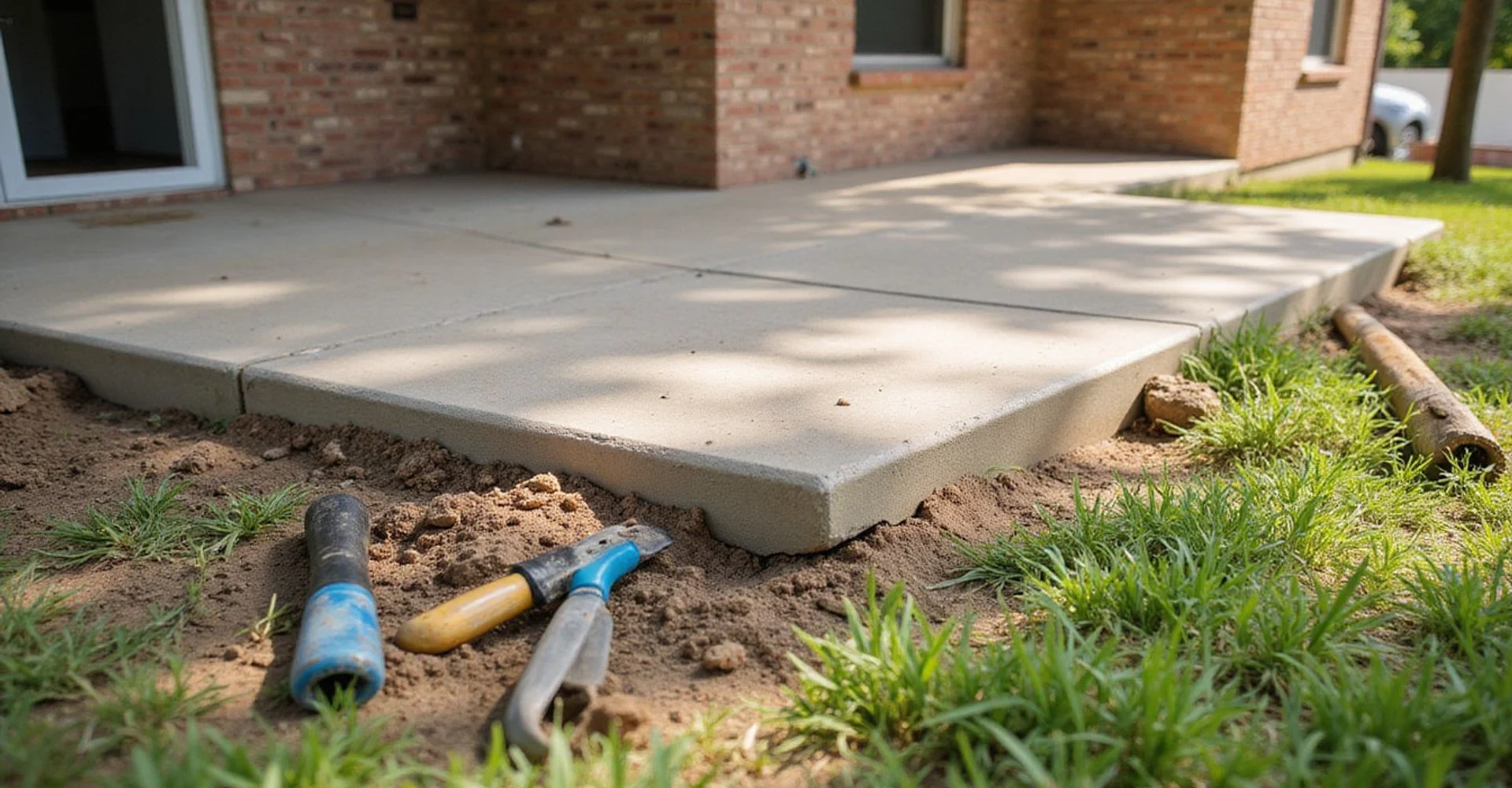
Concrete Leveling
Leveling for settled driveways, patios and sidewalks: foam injection versus mudjacking, what it addresses, and what it does not.
Learn more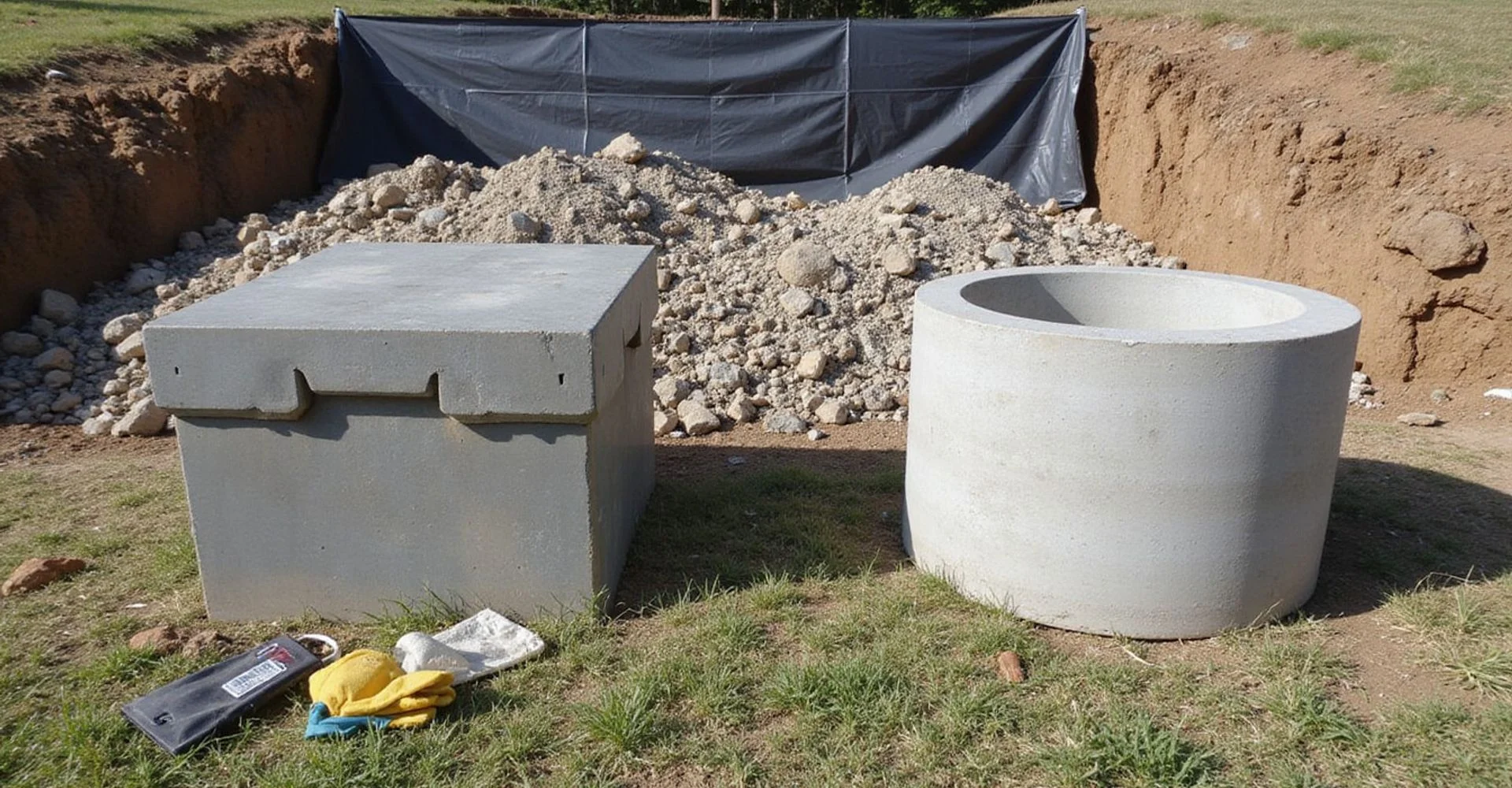
Repair Methods
Steel piers, drilled concrete and pressed systems explained accurately, and why methods are never interchangeable.
Learn more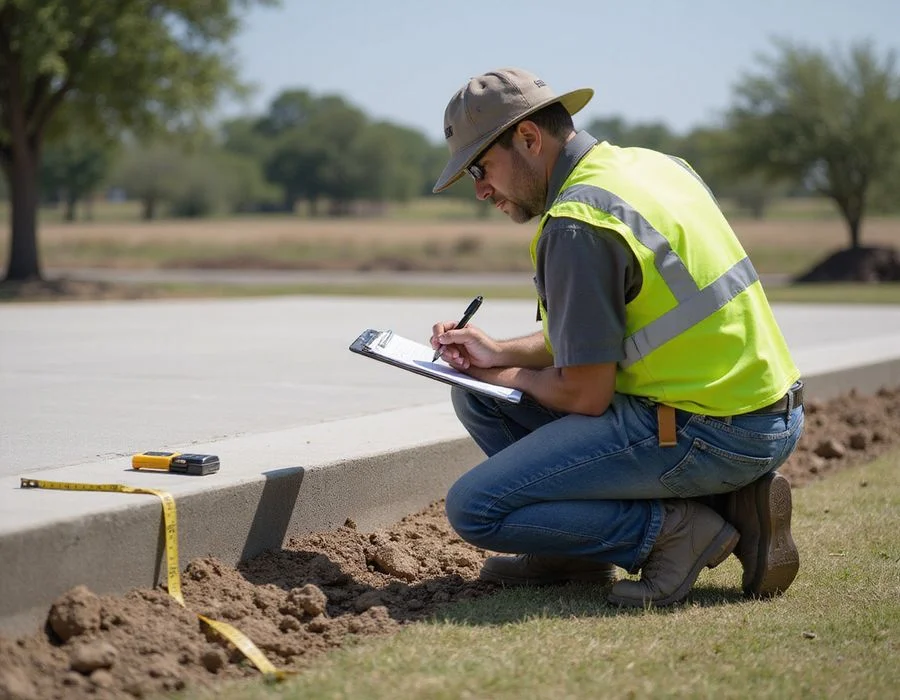
Why Austin Homeowners Start Here
We are a foundation repair company that would rather you understood the problem than signed quickly. That ordering is deliberate, and it shows up in everything below.
We explain before we recommend
Every conversation starts with what you are seeing and what it may or may not indicate. You get the reasoning, not just a number. If an evaluation shows nothing that needs repair right now, we will tell you that plainly and leave you with the readings anyway.
Austin soils, not generic advice
Expansive Blackland Prairie clay, Edwards limestone, caliche and the Balcones Fault Zone all behave differently, and so do the homes built on them. We tie regional geology to what we actually measure on your property rather than applying a rule of thumb.
Measurement, not guesswork
Relative elevation readings across the main living areas, a drainage and grading review, and a look at repair history. You receive a written summary of the findings whether or not you go ahead with work.
Scope you can actually compare
Work locations, method, what is included, what is excluded, schedule, and warranty terms in writing. That is what makes two proposals comparable, and it is why our quotes read the way they do.
Clear about who does what
A contractor evaluation and a licensed engineer’s assessment are different things, and we never blur the two. Where a specialist or subcontractor is involved, we explain who coordinates the project and who stands behind the work.
No pressure, ever
No diagnosis from photos, no same-day discount, no claim that every crack means a problem. Take the written findings, get a second opinion, sit on it for a season. The information is yours.
Evaluation and Quotation, Step by Step
- 1
Tell us what you see
Send a short description through the quote form or call us. Photos and a rough timeline of when things changed help us prepare, though we never diagnose from a photo.
- 2
On-site evaluation
We take relative elevation readings across the main living areas, walk the exterior for drainage and grading, look at the observations that concerned you, and review any repair history.
- 3
Written findings
You receive a written summary with the readings and what they indicate, including anything that cannot be determined from a single visit. It is yours to keep either way.
- 4
A quote you can compare
If work makes sense, the proposal sets out work locations, method, inclusions, exclusions, schedule and warranty terms, so you can place it next to any other quote fairly.
Most single-storey evaluations take about an hour. Larger homes and pier-and-beam properties with crawlspace access take longer.
Not sure whether what you are seeing is serious?
Ask us. We will tell you what an evaluation can and cannot determine before you commit to anything.
Foundation Work in Real Austin Homes
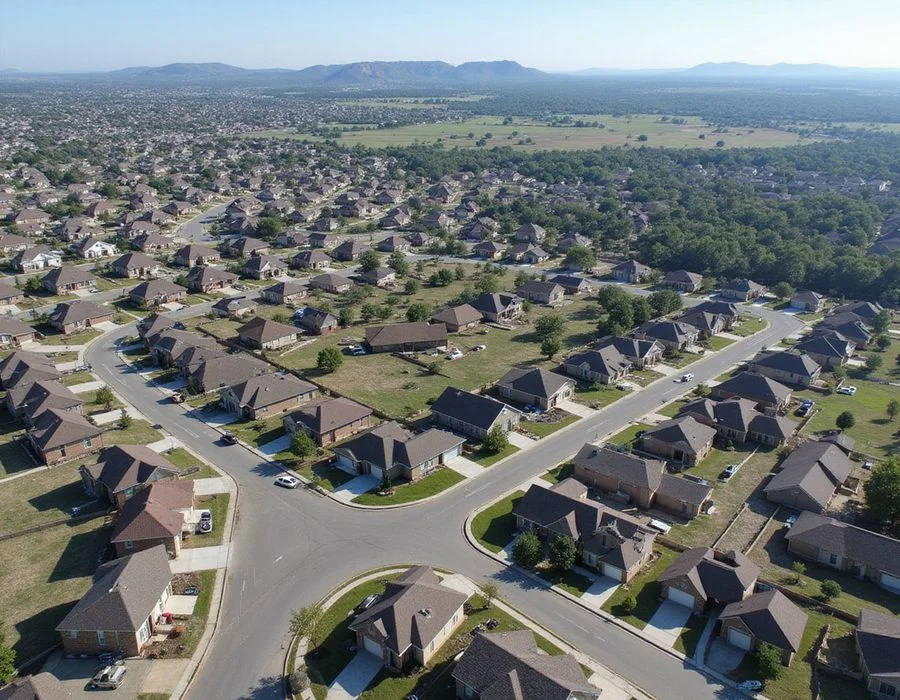
Access, evaluation and drainage all look different depending on the foundation type. Here is a sense of what each stage involves before anything starts on your property.
Images on this page are illustrative and are not presented as documented records of specific customer projects. Permissioned project photography is published separately with the details of the work.
What Drives Foundation Repair Cost in Austin
Two starting points that make the rest of the process easier to follow: what actually moves the price, and why the ground under your home behaves the way it does. Our full library of foundation repair guides covers evaluations, methods, costs and warning signs in the same plain language.
Why Foundation Repair Quotes Differ
Foundation type, work locations and extent, the system used, access and excavation depth, engineering and permits, associated plumbing, and restoration all factor into scope, and each one shows up differently on a proposal.
See what affects foundation repair costAustin Soils and Foundations
Expansive Blackland Prairie clay, limestone and caliche, and the Balcones Fault Zone all behave differently, and adjacent properties can call for different evaluations even a few lots apart.
Read about Austin soils and foundationsGet a Ballpark Foundation Repair Estimate
Answer a few quick questions about your home and get an educational cost range in seconds — then request a real, on-site quote.
What Austin Customers Say
Feedback from homeowners who wanted an explanation first and a quote second.
“They walked us through what the cracks might mean before recommending anything. The written evaluation was clear and we never felt pressured.”
“Our pier-and-beam home had bouncy floors. The crawlspace assessment and plain-language explanation of the scope made the quote easy to understand.”
“I was comparing three quotes and couldn't tell them apart. Their breakdown of scope, method, and exclusions finally made the differences make sense.”
Reviews shown are representative of the feedback we receive. We publish permissioned customer reviews only and never invent projects, measurements or outcomes. Read more about our review policy.
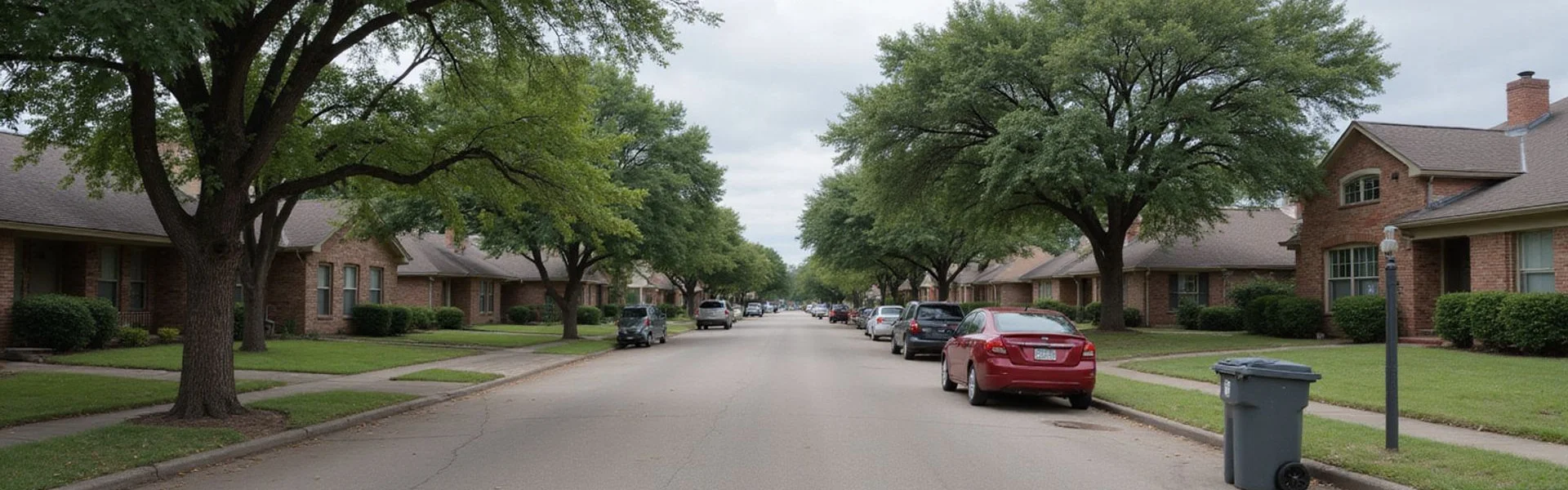
Serving Austin and Central Texas
Ground conditions change quickly here. Blackland Prairie clay east of the I-35 corridor behaves nothing like the limestone and caliche to the west, so we treat every community as its own conversation.
Main service areas
Also serving
Foundation Questions Austin Homeowners Ask
What does a foundation evaluation include?
A foundation evaluation typically includes elevation measurements (often with a digital manometer), a review of drainage and grading, an assessment of visible cracks and movement indicators, and a review of any repair history. You receive a written summary with the readings and findings, plus clear next steps.
Why do foundation repair quotes differ so much?
Quotes differ because of scope, method, and what's included. Two proposals can cover different work locations, use different systems, or include or exclude excavation, permits, plumbing coordination, and restoration. Comparing the scope, exclusions, and warranty side by side is the only reliable way to judge them.
Do I need a structural engineer or a foundation repair company?
A repair contractor's evaluation and a licensed engineer's assessment are not the same thing. A contractor evaluation identifies observations and possible repairs; a licensed Professional Engineer provides an independent structural opinion. For consequential decisions or lending and legal needs, an engineering assessment may be appropriate. We can explain when each makes sense for your situation.
Is a crack in my wall a sign of a serious foundation problem?
Not necessarily. A crack is an observation, not a diagnosis — width or shape alone can't confirm whether a home is safe or needs repair. What a crack means depends on factors an on-site evaluation considers, such as elevation, drainage, and history. Document what you see and have it evaluated rather than judging from appearance.
Why do foundation problems vary so much across the Austin area?
Central Texas has highly variable ground. Expansive Blackland Prairie clay east of I-35 shrinks and swells with moisture, while limestone and caliche dominate the Edwards Plateau to the west. The Balcones Fault Zone and differences in drainage, grading, and fill mean adjacent properties can behave very differently, which is why site-specific evaluation matters more than a highway-based rule of thumb.
Still have a question?
If your situation isn't covered here, ask us directly. We'll tell you what an evaluation can and cannot answer.
Ask About Your Foundation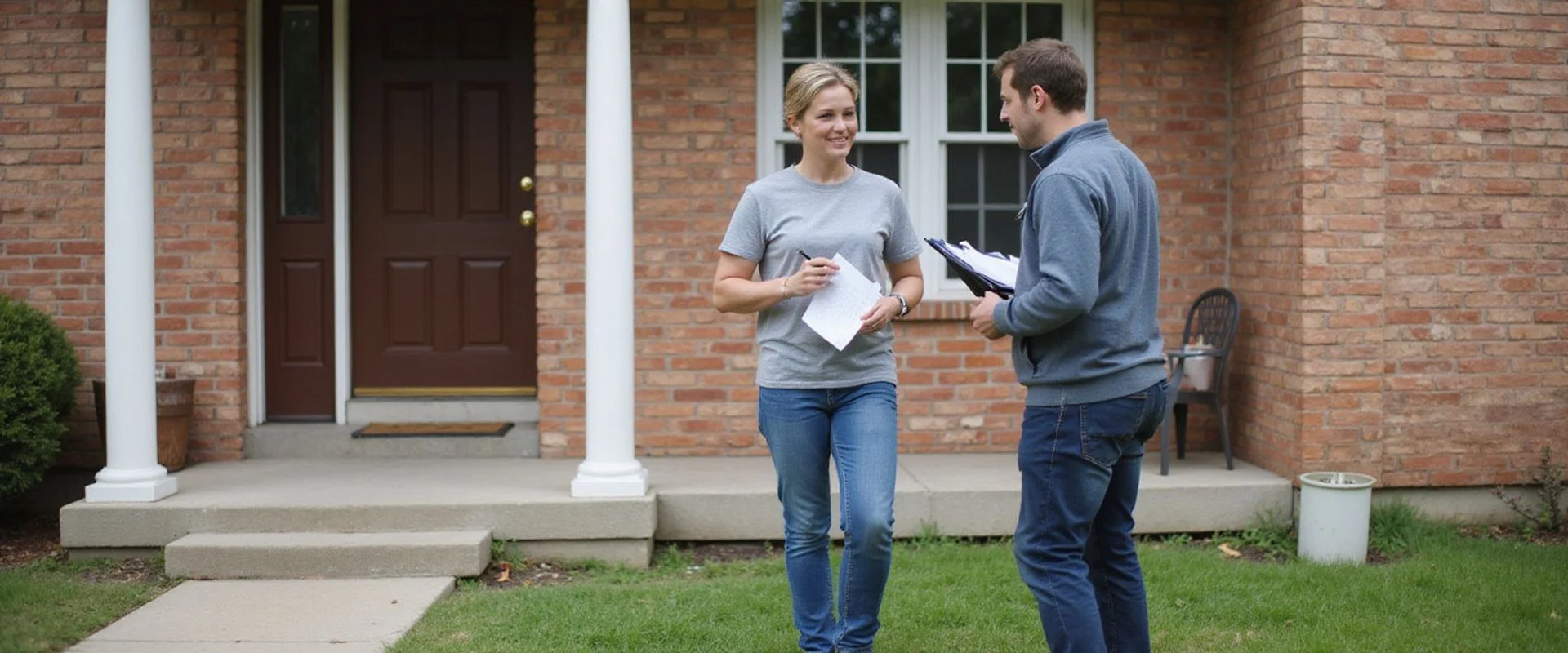
Find out what is actually going on under your home
Request a quote and we will explain what we find in plain language, in writing, before anyone talks about scope.
- Written scope and exclusions
- No diagnosis from photos
- Licensed and insured in Texas