
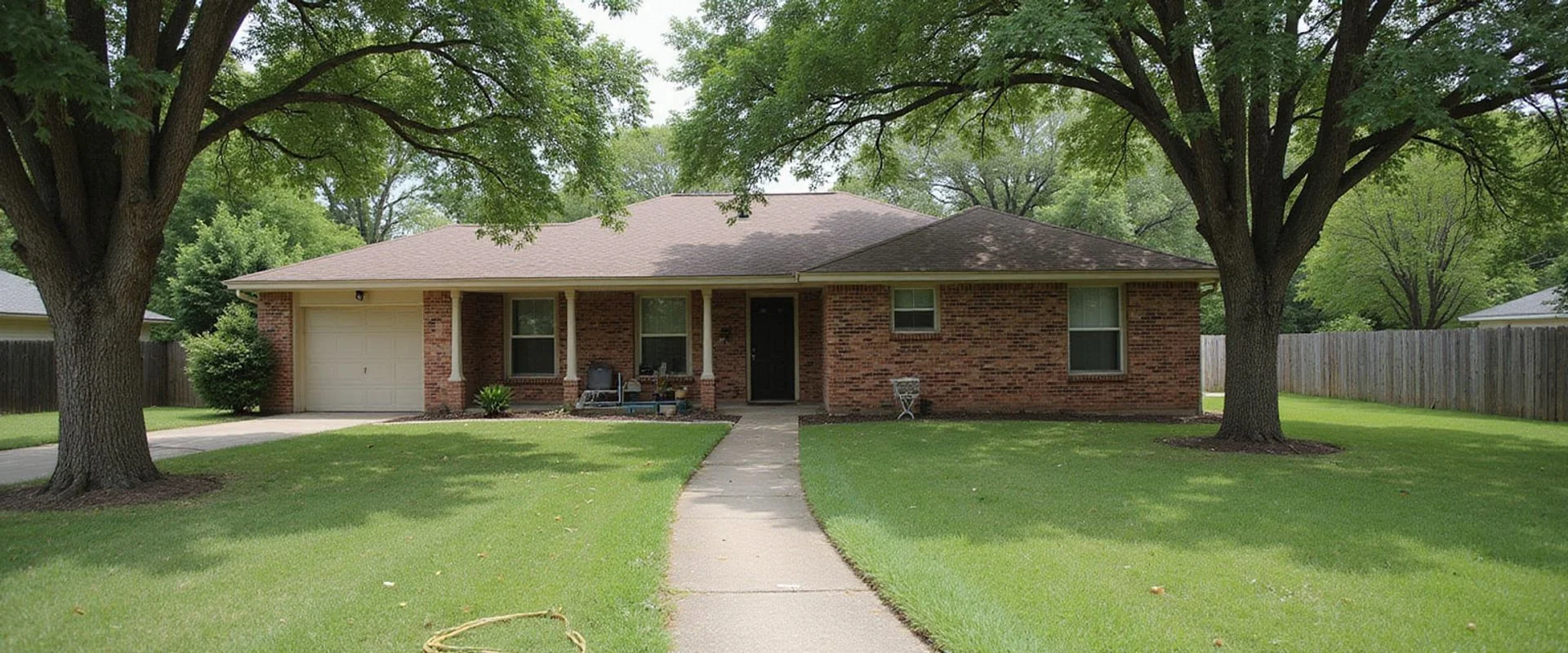
Foundation Repair for West Lake Hills Custom Homes
Austin Foundation Repair serves West Lake Hills, Rollingwood, Lost Creek, Barton Creek and the broader Westlake area in western Travis County. Hill Country slope, fractured Edwards limestone and older custom homes on steep lots make site-specific foundation evaluation essential here. Whether your home is a split-level design stepping down a hillside or a single-story on a graded pad, we assess the property and explain the findings in plain language before discussing scope.
- Fast Local Response
- Written findings you keep
- Local soil and geology context
- 4.9 (300+ Google reviews)
- Licensed & insured in Texas
- Fast Local Response
- Written Scope & Warranty
Signs of a Foundation Problem? Sound Familiar.
These are the four situations Austin homeowners bring to us most often. None of them is proof of a problem on its own, and none of them should be dismissed either.
A crack appeared and you cannot read it
Stair-step cracks in brick, a diagonal line from a door frame, a gap at the trim. A crack is an observation, not a diagnosis, and width alone does not settle anything.
Floors feel uneven or doors stopped closing
Sloping floors and binding doors are movement cues. Whether they reflect settlement, heave, humidity or original construction takes measurement to answer.
Quotes came back wildly different
Two proposals can cover different work locations, different systems, and completely different exclusions. Until you compare scope line by line, the prices mean very little.
You do not know who to call first
A contractor evaluation and a licensed engineer’s assessment are not the same thing. Which one you need depends on the decision you are trying to make.
We work through all four the same way: observe, measure, explain, then discuss scope only once you understand what the readings show.
Read about foundation warning signsFoundation Services in West Lake Hills
Austin Foundation Repair serves West Lake Hills, Rollingwood, Lost Creek, Barton Creek and the broader Westlake area in western Travis County. Hill Country slope, fractured Edwards limestone and older custom homes on steep lots make site-specific foundation evaluation essential here. Whether your home is a split-level design stepping down a hillside or a single-story on a graded pad, we assess the property and explain the findings in plain language before discussing scope.
 Most requested
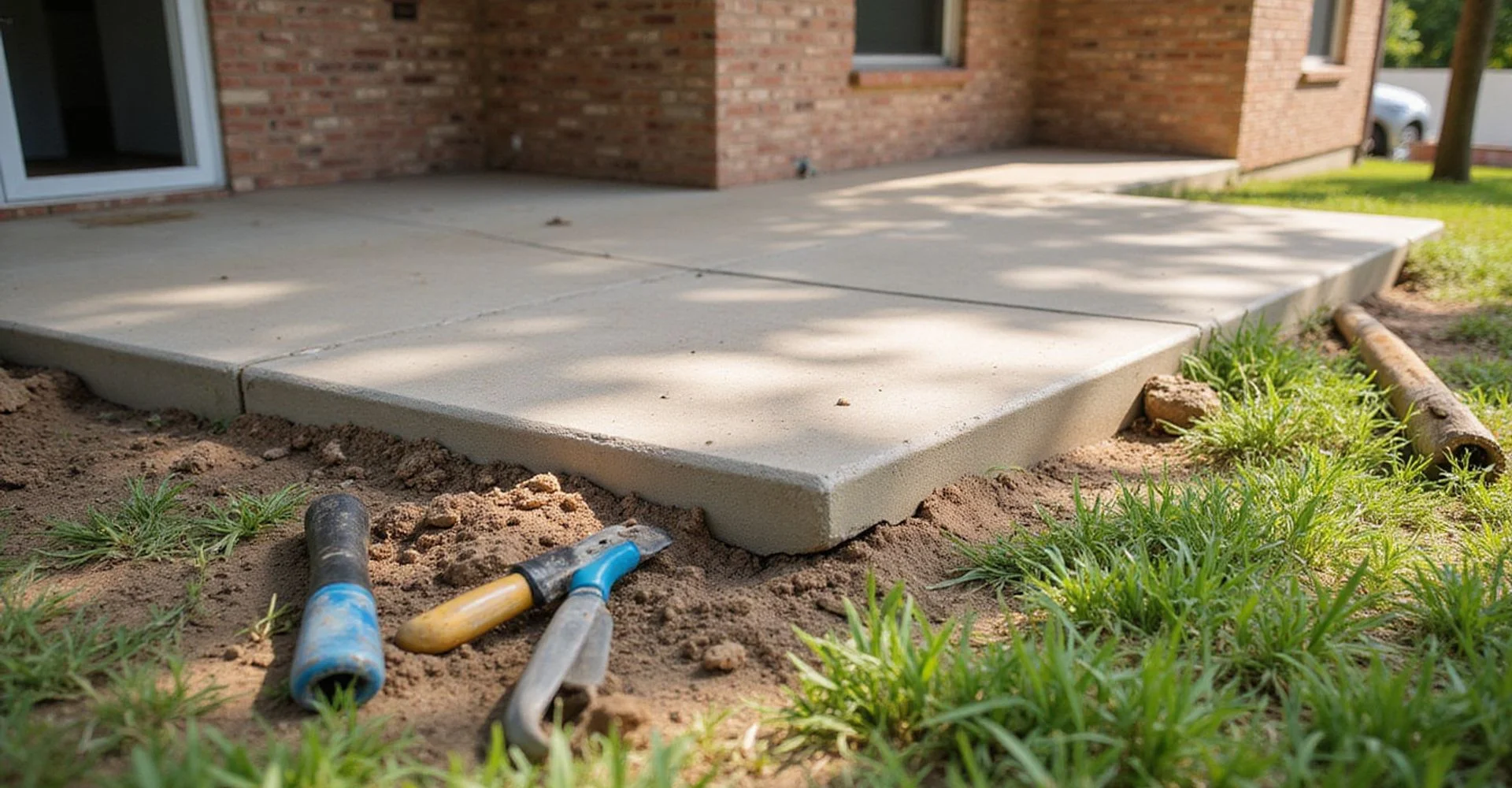
Slab Foundation Repair
Repair for slab-on-grade foundations: what evaluation examines, the approaches that may apply, and how access and restoration factor into scope.
Learn more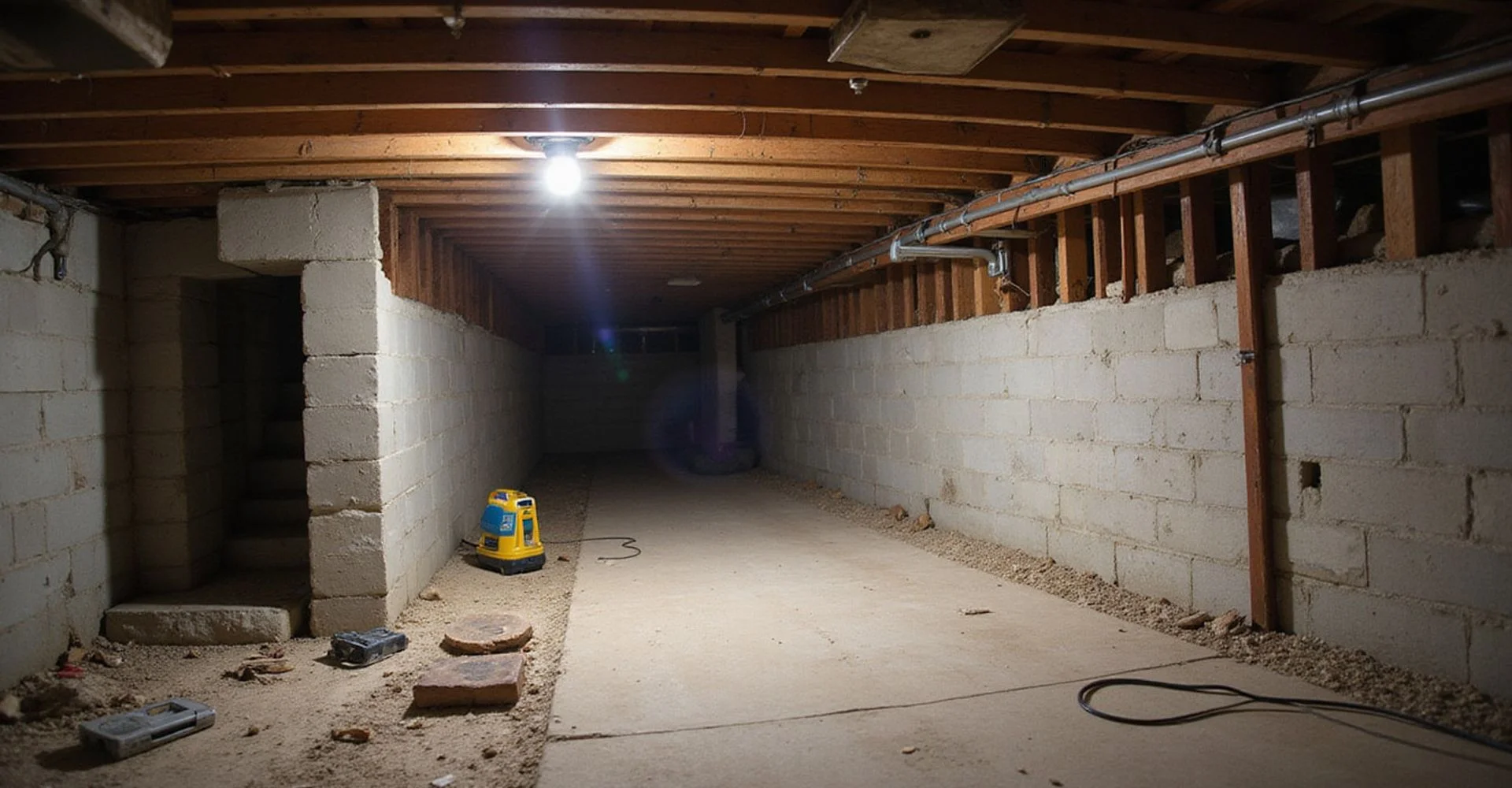
Pier-and-Beam Repair
Pier-and-beam foundation repair in Austin: structural inspection of piers, beams, joists, crawlspace moisture, and wood condition, with written scope and realistic leveling objectives.
Learn more Start here
Foundation Evaluation
What an evaluation examines, who attends, the written deliverables you receive, and the next steps toward a quote.
Learn more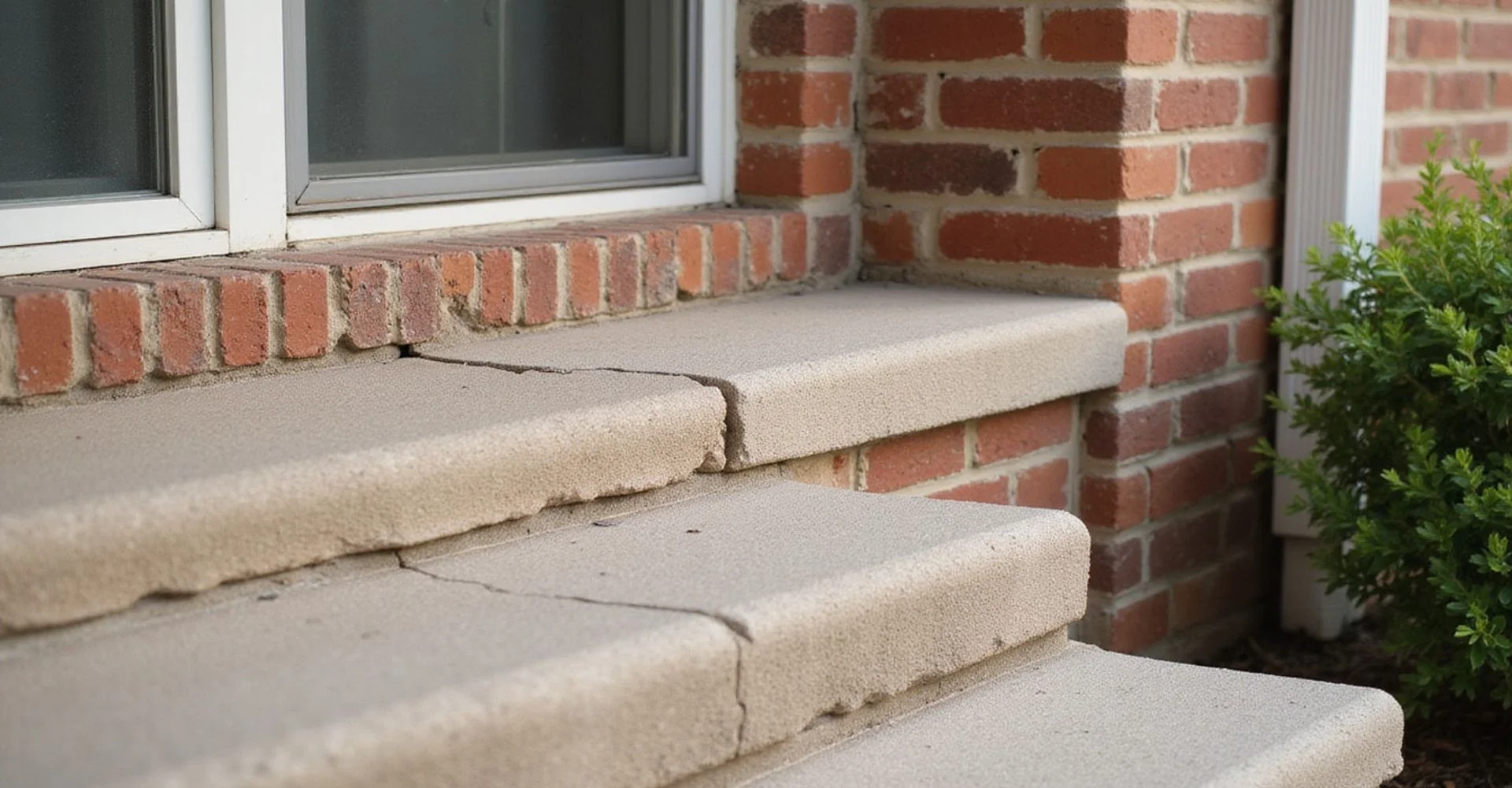
Foundation Warning Signs
What common foundation observations may indicate, what cannot be judged from appearance, and when to get an evaluation.
Learn more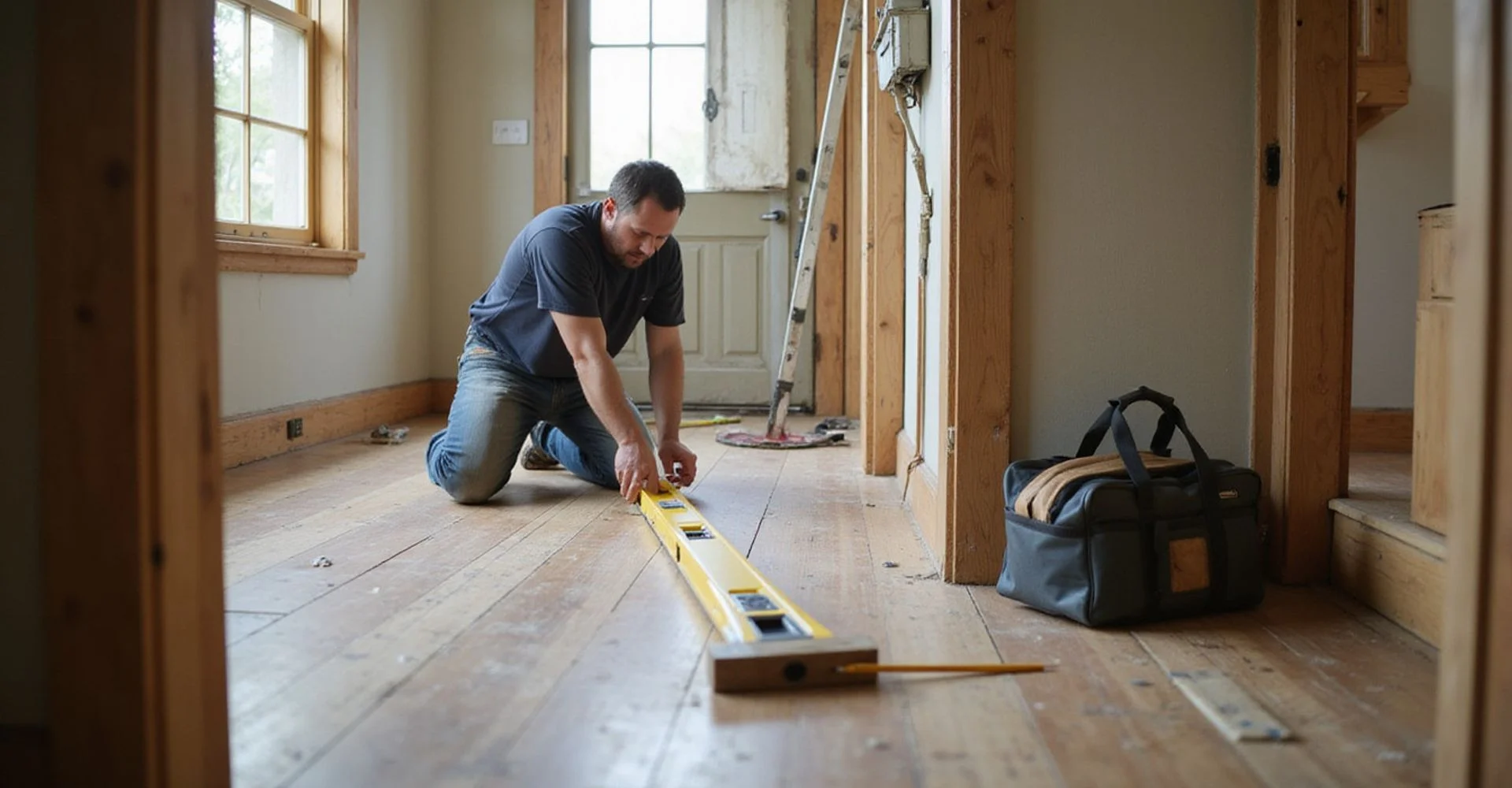
House Leveling
House leveling in Austin - how it relates to foundation repair, realistic objectives, limitations, and the factors that drive scope and cost.
Learn more
Concrete Leveling
Leveling for settled driveways, patios and sidewalks: foam injection versus mudjacking, what it addresses, and what it does not.
Learn more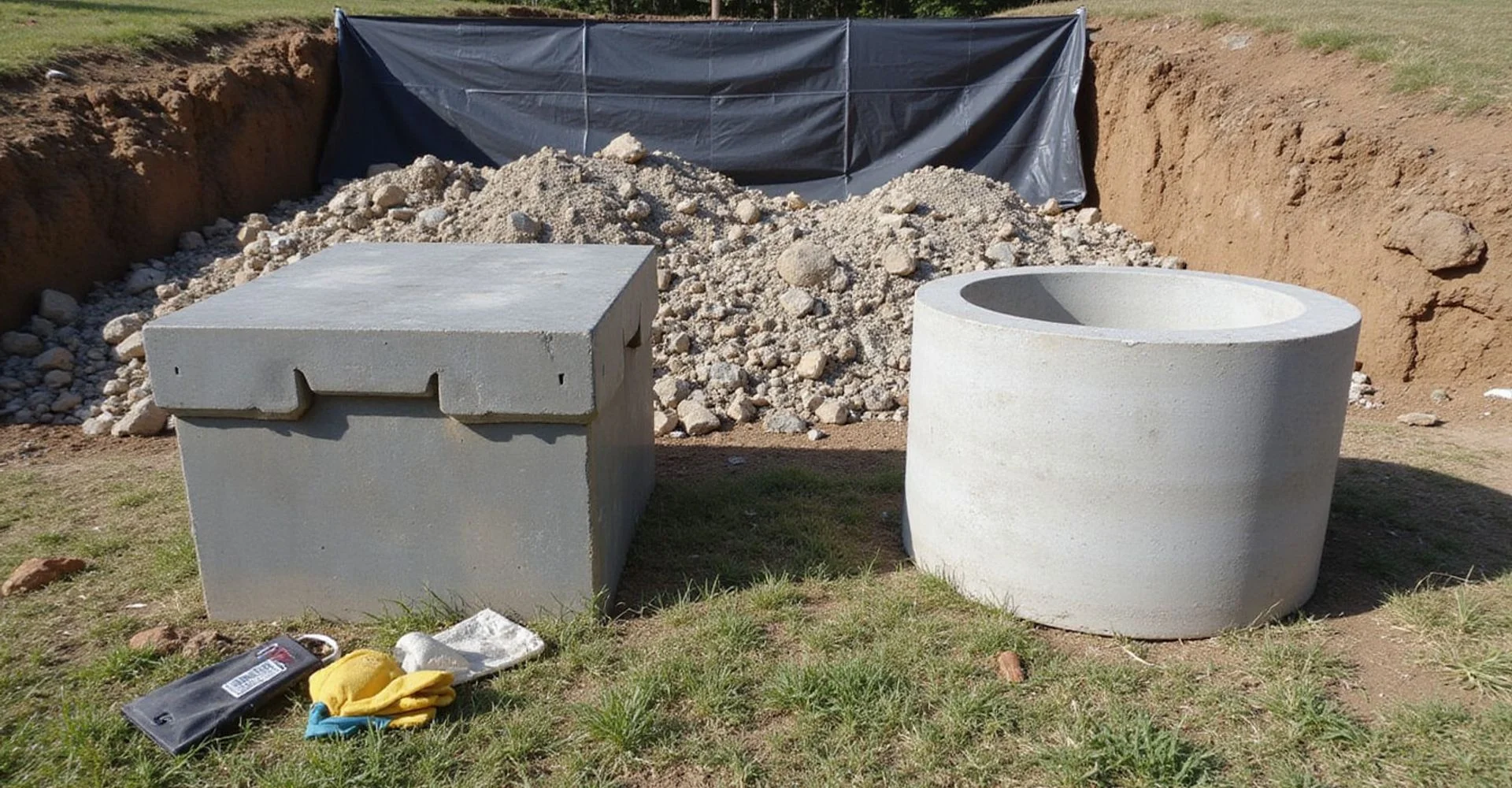
Repair Methods
Steel piers, drilled concrete and pressed systems explained accurately, and why methods are never interchangeable.
Learn moreHonest Assessments and Written Findings
Experience with split-level and mixed slab and pier custom construction
We distinguish original construction variance from movement that has occurred since
Steep-lot drainage, retaining walls and runoff reviewed as part of the assessment
Honest discussion of access constraints and what they mean for scope
Written findings and elevation readings you keep
Clear guidance on when an independent engineering opinion is appropriate
Evaluation and Quotation for West Lake Hills Homes
- 1
Tell us what you see
Send a short description through the quote form or call us. Photos and a rough timeline of when things changed help us prepare, though we never diagnose from a photo.
- 2
On-site evaluation
We take relative elevation readings across the main living areas, walk the exterior for drainage and grading, look at the observations that concerned you, and review any repair history.
- 3
Written findings
You receive a written summary with the readings and what they indicate, including anything that cannot be determined from a single visit. It is yours to keep either way.
- 4
A quote you can compare
If work makes sense, the proposal sets out work locations, method, inclusions, exclusions, schedule and warranty terms, so you can place it next to any other quote fairly.
Most single-storey evaluations take about an hour. Larger homes and pier-and-beam properties with crawlspace access take longer.
Not sure whether what you are seeing in West Lake Hills is serious?
Ask us. We will tell you what an evaluation can and cannot determine before you commit to anything.
Getting to Your West Lake Hills Property
We reach West Lake Hills and Rollingwood via Bee Cave Road (RM 2244), Loop 360 and MoPac. Travel is short from central Austin but the local street network is narrow and winding, so we allow extra time rather than rushing an appointment. If you are searching for foundation help near you in West Lake Hills, we schedule western Travis County evaluations in corridor-based blocks to keep arrival windows tight.
Steep driveways, limited turnaround space and mature tree canopy are common. When we evaluate, we assess how equipment could realistically reach each part of the perimeter, because on these lots access is often the largest single influence on how work would be scoped.
As of 2026, West Lake Hills and Rollingwood are separate incorporated cities within Travis County with their own permitting and, in places, tree and impervious-cover requirements. We confirm what applies before quoting.
How Fractured Rock and Slope Affect Your Foundation
West Lake Hills sits firmly on the Edwards Plateau side of the Balcones Fault Zone. Fractured limestone, thin soil cover and steep grade define most lots, and the resulting foundation questions are different from anything in the clay belt.
Many homes here are architect-designed custom builds from the 1970s through the 1990s, frequently on multiple levels stepping down a slope. Split-level foundations, partial basements, cantilevered decks and combinations of slab and pier support within a single structure are all common. When part of a house bears on solid rock and another part bears on fill placed to create a buildable terrace, differential movement can appear even with minimal expansive clay present.
Water is the other defining factor. Steep lots shed runoff quickly, and fractured rock allows water to move along seams in ways surface grading does not reveal. Retaining walls, terraced yards and older drainage systems installed decades ago often need review as part of the assessment.
Because original construction here is frequently irregular, Austin Foundation Repair is careful to distinguish original build variance from movement that has occurred since. Elevation readings alone do not answer that; construction context and history matter. Where repairs are indicated, method selection - whether steel piers, helical piles or drilled supports - depends on rock depth and access conditions on each lot. For complex situations, we recommend an independent structural engineering assessment when it adds value beyond a contractor evaluation.
What West Lake Hills Customers Say
Feedback from homeowners who wanted an explanation first and a quote second.
“Our house is split-level on a slope and every other opinion glossed over that. They took the time to work out what was original and what had moved.”
“The access limitations were explained upfront rather than turning into a surprise later. That honesty is why we kept talking to them.”
Reviews shown are representative of the feedback we receive. We publish permissioned customer reviews only and never invent projects, measurements or outcomes. Read more about our review policy.
Neighbourhoods We Cover in West Lake Hills
West Lake Hills is part of the wider area served by our foundation repair company in Austin, and the same evaluation-first approach applies across every neighbourhood below.
Foundation Questions in West Lake Hills
Do homes on rock still get foundation problems?
Yes. Fractured limestone, thin soil cover, fill placed to create level building pads, and water moving along rock seams all cause movement. West Lake Hills has less expansive clay than east Austin, but slope, fill and drainage create their own set of issues.
My house is split-level. Does that complicate assessment?
It adds important context. Multi-level and stepped foundations have intentional elevation differences built in, so raw readings can mislead without understanding the original design. We look at construction context and history alongside measurements.
Do you cover Rollingwood and the Westlake area?
Yes. We cover West Lake Hills, Rollingwood, the broader Westlake area, Lost Creek and Barton Creek, plus nearby Bee Cave and Lakeway.
Are there special permitting considerations here?
As of 2026, West Lake Hills and Rollingwood are separate incorporated cities with their own permitting, and some properties have additional tree or impervious-cover considerations. We confirm the applicable requirements for your address and set out permit responsibility in the proposal.
Can equipment reach my foundation on a steep lot?
Sometimes only partially. Steep grade, retaining walls, mature trees and narrow side yards can restrict exterior access, which may shift work to interior access or change the approach. We assess this during the evaluation so the scope reflects reality.
How much does foundation repair cost in West Lake Hills?
Cost depends on the foundation type, number and placement of supports, access challenges on steep lots, rock depth, and whether associated work like plumbing or interior restoration is included. Custom and split-level homes here often involve more complex access, which affects pricing. Our Austin-area cost guide covers the factors that shape proposals, and we provide a written quote with clear scope so you can compare it against any other estimate.
Is there a best time of year for foundation repair in Central Texas?
Foundation repair can be done year-round. Drier months may offer easier access on steep West Lake Hills lots, but the deciding factor is usually the evaluation findings, not the calendar. If movement is progressing, addressing drainage and scheduling the work matters more than waiting for a particular season.
Can I stay in my home during foundation repair?
In most cases, yes. The work typically involves the exterior perimeter, and interior living areas remain accessible. Noise, vibration and temporary utility interruptions are possible depending on the scope. We outline what to expect in the written proposal so there are no surprises during the project.
Still have a question?
If your situation isn't covered here, ask us directly. We'll tell you what an evaluation can and cannot answer.
Ask About Your FoundationWest Lake Hills Coverage Area
Areas Near West Lake Hills
Ground conditions change quickly across Central Texas. Here is what we see in the communities next door.
Foundation Repair in Austin
Austin Foundation Repair responds quickly to urgent foundation concerns across Austin, TX. The city spans two very different ground conditions, and foundation behaviour changes from one side of town to the other. We evaluate each property on its own terms and explain what we find in plain language before discussing scope.
Foundation Repair in Cedar Park / Leander
Austin Foundation Repair serves Cedar Park and Leander in the limestone and caliche transition west of I-35, where shallow Edwards limestone and sloped terrain change the questions every evaluation has to answer. Licensed and insured across Texas, we work from Buttercup Creek and Anderson Mill to Crystal Falls and Travisso, where ground conditions differ from the Blackland Prairie clay east of the corridor.
Need foundation help in West Lake Hills?
Fast Local Response. Written findings, clear scope, and no pressure to decide at the appointment.
- Written scope and exclusions
- No diagnosis from photos
- Licensed and insured in Texas