
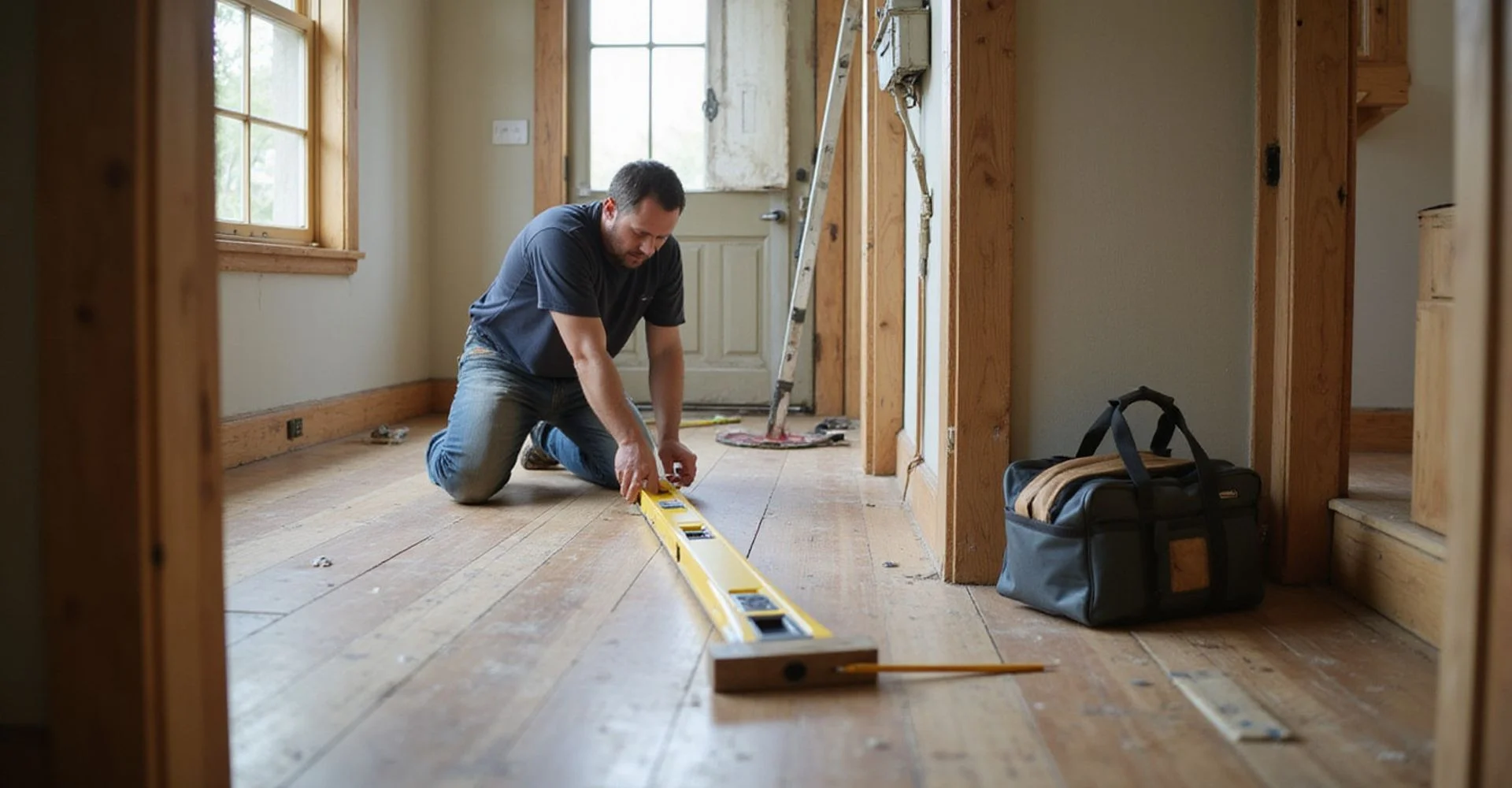
House Leveling in Austin: Objectives and Limits
How leveling relates to foundation repair, what it can realistically achieve, and the limits worth understanding before you start.
- How leveling relates to foundation repair
- Realistic objectives and limitations (no promise of perfectly level)
- Scope and access considerations
- 4.9 (300+ Google reviews)
- Licensed & insured in Texas
- Fast Local Response
- Written Scope & Warranty
Why Homeowners Look Into House Leveling
Floors slope enough that you notice it
A ball rolling on its own or furniture that will not sit flat are common triggers for the call. Whether leveling makes sense depends on the readings, not the feeling.
You have heard promises that sound too good to be true
A perfectly flat floor is not a realistic objective for most homes. Be cautious of anyone who promises one.
You are unsure how leveling differs from foundation repair
The terms get used loosely. On most properties leveling is achieved through the same support work as foundation repair, aimed at a specific elevation goal.
You are worried about damage during the lift
Moving too far or too fast can crack finishes and stress plumbing. A controlled, incremental lift with readings throughout is why that pace matters.
What house leveling actually means
The term gets used loosely, and that looseness causes real confusion when people compare proposals.
House leveling describes adjusting a structure back toward an acceptable elevation tolerance. Foundation repair describes correcting or adding support so the structure is stable. On plenty of projects the same work achieves both, which is why the terms blur together. They are still separate objectives, and separating them changes what you should expect.
Stabilisation means the movement stops. Elevation recovery means some of what was lost comes back. A company can achieve the first without much of the second, and that is sometimes the correct outcome. What you should never accept is a proposal that implies you are buying both while only pricing one.
What leveling can realistically achieve
Here is the part the industry tends to skip.
Perfectly level is not the goal and is not achievable. No house is perfectly flat, including new ones. Older Austin homes were built to tolerances that would not pass today, and a century of settling has been absorbed by plaster, trim, tile and plumbing that all adapted to the current position. Forcing that structure back to a theoretical plane does not restore it, it stresses it.
The realistic objective is bringing the structure within a reasonable tolerance, improving noticeable slope, restoring function to doors and windows that have gone out of square, and leaving the structure stable and properly supported. That is a meaningful improvement, and describing it accurately is not lowering the bar.
Recovery has practical limits. The longer a structure has sat in a settled position, and the more brittle its finishes, the less aggressive the adjustment should be. Tile floors, plaster walls, masonry fireplaces and older plumbing all constrain how far it is sensible to go.
How leveling is carried out
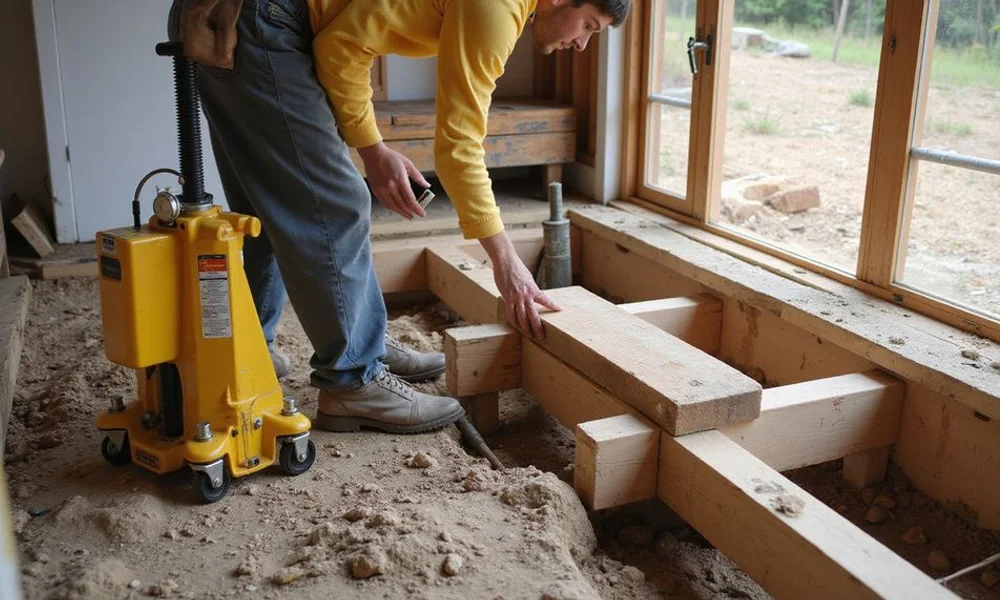
On pier-and-beam foundations, adjustment is mechanical and happens in the crawlspace. Shims are added at pier caps to raise a girder incrementally. Screw-jack posts allow finer, adjustable support. Temporary cribbing and hydraulic jacks carry load while the permanent support is set. This approach is incremental, checkable and reversible, which is a genuine advantage.
On slab foundations, adjustment happens through the supports installed as part of slab foundation repair. Once supports reach bearing material, load is transferred in a controlled sequence and some elevation recovery may follow. The slab is a continuous element, so lifting one area affects adjacent areas, which is why sequencing and pacing matter enormously.
In both cases the same principle applies: slowly, with readings taken as you go, and stopping when the structure tells you to.
What has to happen first
Adjustment assumes the structure can carry load through the process. Where it cannot, repairs come first.
On pier-and-beam homes that usually means girders or joists with fungal decay or termite damage, sill plates that have deteriorated, posts that have rotted at the base, or pier footings that have settled. Sistering, replacement or footing correction precedes any lifting.
On slab foundations it means establishing whether an under-slab plumbing leak is contributing. Lifting a slab over an active leak leaves the cause running and can worsen it. Where findings point that way, testing comes before adjustment.
What to expect afterwards
Cosmetic movement is normal and should be planned for rather than treated as a failure. Hairline cracks in plaster and drywall, small gaps opening at trim, doors that need rehanging or planing, occasional tile stress. A responsible proposal says this in advance and states clearly whether patching and repainting are included.
Doors and windows are checked for alignment after adjustment, because restored function is one of the most tangible outcomes. Post-adjustment elevation readings document where the structure finished, which matters both for verifying the work and for any future comparison.
Give the structure some time before cosmetic repair. Finishes settle into the new position over weeks, and patching immediately often means patching twice.
How much does house leveling cost?
We do not publish a headline figure, because a number with no scope attached tells you nothing and invites unfair comparison. The drivers are set out in the table on this page, and our guide on what affects house leveling cost and scope goes through them in more detail.
What we will commit to is this: the proposal names the work locations, the method, what is included, what is excluded, the expected schedule and the warranty terms. That is what makes it comparable against anyone else’s. Our guide on comparing foundation repair quotes covers how to read two proposals side by side.
Is leveling the right question for your house?
Often the better starting question is what your readings actually show. A foundation evaluation establishes where the structure sits, what the pattern suggests, and whether adjustment, stabilisation, drainage correction or monitoring is the sensible response. Deciding to level before measuring is deciding on the answer first. You can see how the rest of our Austin foundation repair services fit around that measured starting point.
What Drives the Cost of House Leveling?
We do not publish a headline price for this work, because a number without a scope is not useful to you. These are the factors that actually move a proposal up or down.
| Factor | Why it changes the number |
|---|---|
| Extent of adjustment | How far out of tolerance the structure sits, and across how many support locations, drives most of the number. Small corrections at a few points are a different job from a whole-house adjustment. |
| Foundation type | Pier-and-beam adjustment uses shims and adjustable posts in an accessible crawlspace. Slab adjustment happens through installed supports and is a different scope entirely. |
| Access and clearance | Crawlspace clearance, hatch position, ductwork, and whether interior access is required all affect the labour involved. |
| Structural repairs required first | Decayed girders, damaged joists or failed pier footings must be addressed before adjustment. That work sits ahead of leveling, not inside it. |
| Restoration | Adjustment commonly opens cosmetic cracks in plaster and drywall. Whether patching and repainting are included is one of the biggest differences between proposals. |
| Plumbing considerations | Lifting a structure can stress existing plumbing connections. Testing before and after is a sensible precaution and is scoped separately. |
For a broader breakdown, read how much foundation repair costs in Austin and how to compare quotes .
Ready to get house leveling findings in writing?
Request a quote and we will explain what an evaluation can and cannot determine before you commit to anything.
Why Choose Us for House Leveling
We tell you what is achievable
A realistic target set before work starts, not an aspiration that quietly becomes disappointment at the end.
Structure before elevation
Adjusting a floor carried by damaged framing moves the problem along. Repairs come first, every time.
Incremental and checked
Readings between increments, alignment checked as we go. Rushing a lift is how plaster, tile and plumbing get broken.
Restoration named upfront
Cosmetic movement is expected. Whether patching is in scope is written into the proposal so there are no surprises.
Documented start and finish
Pre-lift and post-lift elevation readings so you can see what actually changed rather than take our word for it.
Honest about the alternative
Sometimes stabilising without attempting elevation recovery is the better decision. We will say when we think that applies.
How Our House Leveling Process Works
- 1
Measure and plan
Relative elevation readings establish the current position and a realistic target. Not every low point should be brought to the same plane.
- 2
Repair before adjusting
Deteriorated framing, failed supports and pier footing problems are corrected first so the structure can carry load through the adjustment.
- 3
Incremental lifting
Adjustment is made gradually with checks between increments. Speed is how finishes, plumbing and framing get damaged.
- 4
Verify and document
Post-adjustment readings, door and window alignment checks, and written documentation of where the structure finished.
What House Leveling Looks Like
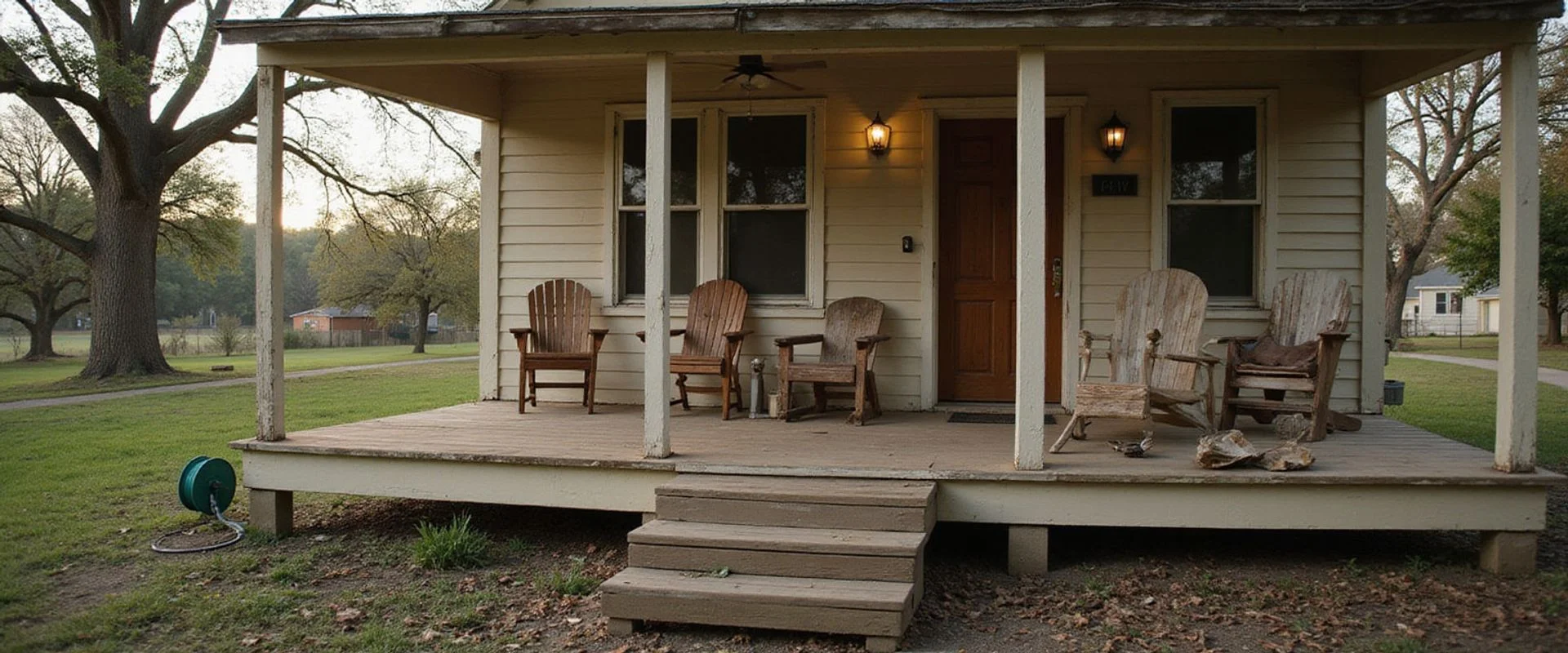
Access, conditions and restoration vary by property. These images show the kind of work and conditions involved.
Illustrative images, not documented records of specific customer projects.
What Customers Say About Our House Leveling
Feedback from homeowners who wanted an explanation first and a quote second.
“They were upfront that the floors would not end up perfectly flat and explained why chasing that would cause damage. That honesty decided it for us.”
“Our older home needed someone who understood pier-and-beam. The crawlspace assessment was thorough.”
“Our house is split-level on a slope and every other opinion glossed over that. They took the time to work out what was original and what had moved.”
Reviews shown are representative of the feedback we receive. We publish permissioned customer reviews only and never invent projects, measurements or outcomes. Read more about our review policy.
House Leveling FAQs
Is house leveling the same as foundation repair?
They overlap but they are not identical. Foundation repair stabilises a structure by correcting or adding support. Leveling refers to adjusting the structure back toward an acceptable elevation tolerance. On many projects the same work achieves both, but stabilisation and elevation recovery are separate objectives and should be discussed separately.
Can you make my floors perfectly level?
No, and we will not promise it. The objective is a realistic tolerance and a stable structure. Forcing an older house back to a theoretical flat plane risks cracking plaster and tile, breaking plumbing connections and damaging framing that has settled into its current position over decades.
How is a pier-and-beam house leveled?
Through shimming at pier caps and adjustment of screw-jack or adjustable posts, carried out in the crawlspace. It is mechanical, incremental and reversible, which is a real advantage of this foundation type.
How is a slab house leveled?
Through the supports installed as part of slab foundation repair. Once supports are in place, load is transferred in a controlled sequence and some elevation recovery may be achieved. How much is realistic depends on the slab, the finishes and how long the movement has been in place.
Will there be cracks afterwards?
Some cosmetic movement is normal. Adjustment changes the position of a structure that finishes have adapted to, so hairline cracks in plaster and drywall, small gaps at trim and doors needing rehanging are all expected. Whether repairing them is in scope should be stated in the proposal.
How long does it take?
It varies widely with extent, foundation type and access. Straightforward shimming at a few locations is short work. Whole-house adjustment with structural repairs beforehand is considerably longer. A responsible schedule builds in time between increments rather than compressing the lift.
Should I level or just stabilise?
Sometimes stabilising without attempting significant elevation recovery is the better decision, particularly in older homes with fragile finishes or where the current position has been stable for a long time. We will tell you when we think that is the case rather than defaulting to the larger scope.
What happens to my plumbing during a lift?
Lifting changes the position of the structure relative to fixed plumbing connections, which can stress them. Testing before and after is a sensible precaution and is scoped separately, usually with a licensed plumber. This is more significant on slab work than on pier-and-beam adjustment.
Still have a question?
If your situation isn't covered here, ask us directly. We'll tell you what an evaluation can and cannot answer.
Ask About Your FoundationRelated Services
Pier-and-Beam Repair
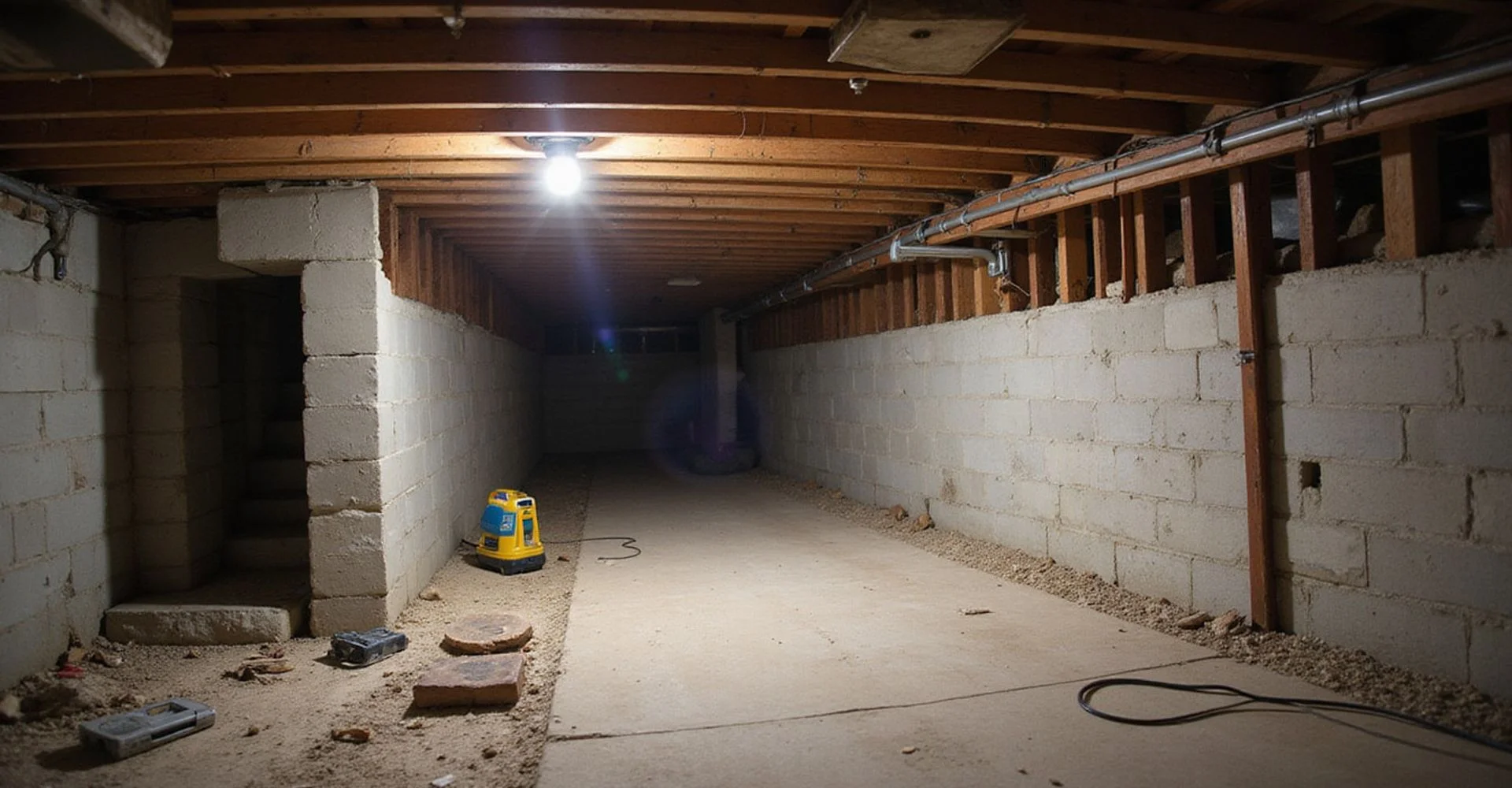
Repair for pier-and-beam foundations: piers, beams, joists, crawlspace moisture and deterioration, plus realistic leveling objectives.
Slab Foundation Repair
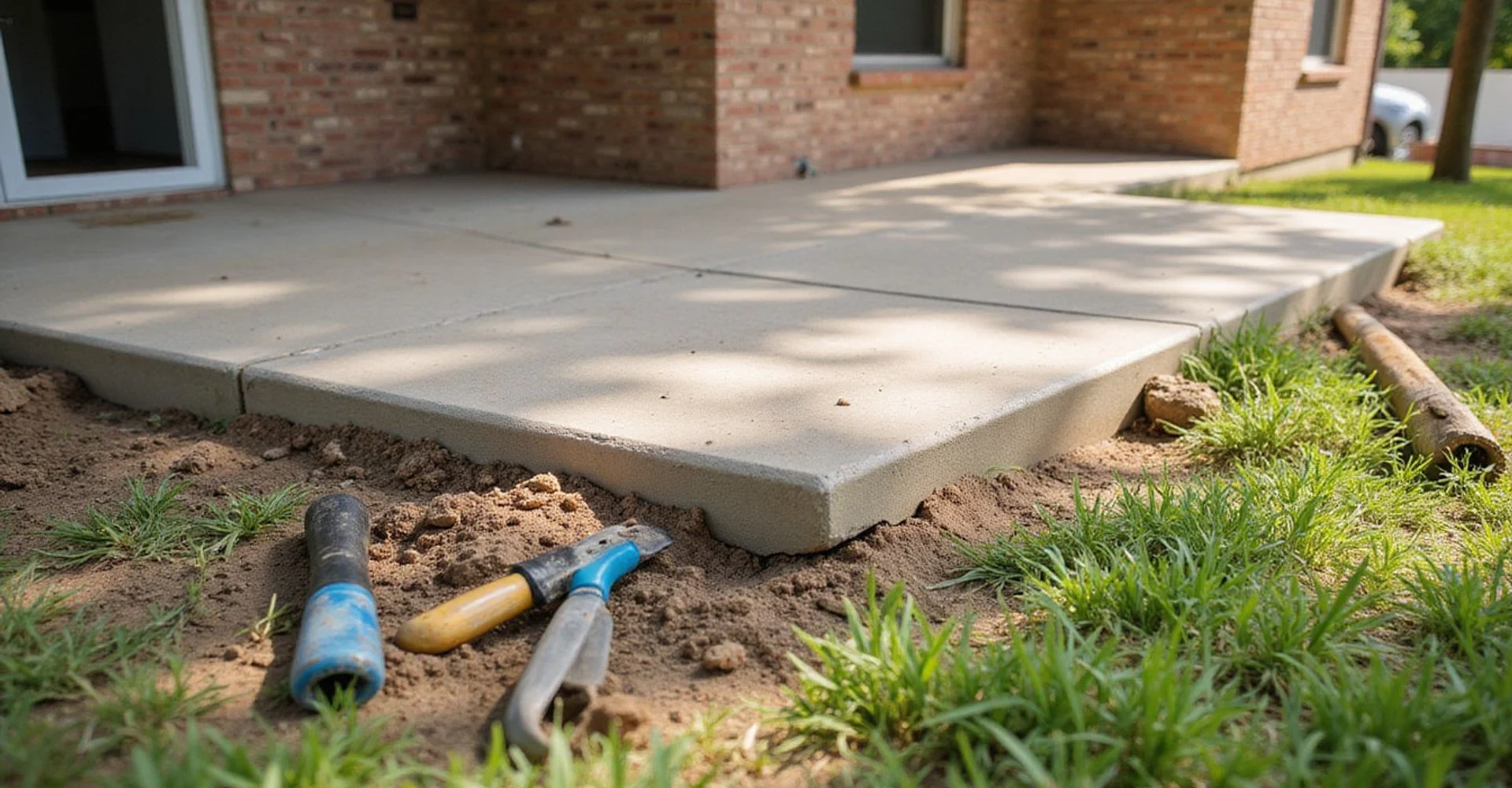
Repair for slab-on-grade foundations: what evaluation examines, the approaches that may apply, and how access and restoration factor into scope.

Foundation Evaluation
What an evaluation examines, who attends, the written deliverables you receive, and the next steps toward a quote.
Ready to talk about house leveling?
Request a quote and we will explain the findings before anyone discusses scope.
- Written scope and exclusions
- No diagnosis from photos
- Licensed and insured in Texas