

Foundation Evaluation for Your Austin Property
What an evaluation examines, who attends, the written deliverables you receive, and the next steps toward a quote.
- Elevation measurement and drainage review
- Repair-history and documentation review
- Written deliverables you keep
- 4.9 (300+ Google reviews)
- Licensed & insured in Texas
- Fast Local Response
- Written Scope & Warranty
Why Homeowners Look Into Evaluation
You do not know if you need a contractor or an engineer
A contractor evaluation and a licensed engineer's assessment answer different questions. Which one fits depends on the decision you are trying to make.
You are worried about a diagnosis from photos
Photos cannot substitute for measurement. If a company is willing to tell you what is wrong before visiting, that is worth questioning.
You want documentation, not a verbal opinion
A verbal impression is hard to compare against a second opinion later. Written readings are not.
You do not know what happens if nothing needs repair
An evaluation can conclude that no work is warranted right now. You should still receive the readings, whichever way it comes out.
What is a foundation evaluation?
It is the measured starting point for any sensible decision about a foundation. Not a sales visit, not a look at a crack from the driveway, and not a diagnosis from photographs. An evaluation establishes what is actually happening at your property in terms specific enough to act on.
The value is in the ordering. Without measurements you are comparing opinions. With them, every recommendation that follows has something behind it, and you can hold any proposal, ours or anyone else’s, against the same evidence. It is the step we ask every Austin foundation repair enquiry to start from, including the ones that end in no work at all.
What does the evaluation examine?
Relative elevations. We take readings across the main living areas using a digital manometer, referenced to a chosen baseline point in the house. The result is a map of how the floor sits relative to that datum. This is the core of the assessment.
The word relative is doing real work in that sentence. We are not measuring against sea level or against a theoretical perfect plane. We are measuring how parts of your floor sit relative to each other, because differential movement, not absolute elevation, is what damages a structure.
Drainage and grading. A perimeter walk covering how the ground slopes away from the foundation, where downspouts discharge, whether swales are functioning, where irrigation runs, and whether soil has pulled away from the slab edge. On expansive clay, moisture distribution around the foundation is often the most actionable finding in the entire report.
Visible observations. Cracks in brick veneer and interior finishes, gaps at trim, doors and windows that bind, tile separation, porch movement. We record location and pattern. We do not treat any single observation as proof, because it is not.
History and context. Prior repairs and their documentation, when observations first appeared, whether they have changed, plumbing history, tree removal or planting, additions, and any re-grading. Two homes with identical readings can warrant different recommendations once history is included.
Crawlspace conditions, for pier-and-beam homes. Girder and joist condition, support integrity, moisture, clearance and ventilation. Readings from above tell us what is happening; the crawlspace tells us why.
Who attends, and what is the difference between an evaluation and an engineering assessment?
A trained evaluator from our team carries out the assessment. You are welcome to be present, and most people find it useful.
Here is the distinction that gets blurred in this industry more than any other. A contractor evaluation is not an engineering assessment. Ours identifies observations, records measurements, and scopes possible repair. It is carried out by a company that also performs repairs, and you should factor that in.
A licensed Professional Engineer provides an independent structural opinion, is regulated by the Texas Board of Professional Engineers and Land Surveyors, and is not selling the work. Texas engineering guidance is explicit that these are different services, and we will not present one as the other.
When is an engineering assessment appropriate? When the decision is consequential and you want an opinion with no commercial interest attached. When a lender, insurer or legal process requires it. When proposals disagree substantially and you need a tiebreaker. When structural modification beyond foundation support is in question. We will tell you when we think you are in that territory. Our guide on engineers versus repair contractors goes through this in more detail.
What do you receive?
A written summary containing the elevation readings and what they indicate, your observations recorded with locations, drainage and grading notes, crawlspace findings where applicable, and clear next steps. It states what could not be determined from a single visit, because that is genuinely useful information rather than a gap to be papered over.
The document is yours to keep. Get a second opinion with it, hold it while you decide, or file it as a baseline and do nothing. If you come back to us in two years, we can repeat the readings against the same datum and tell you whether anything has changed, which is a question nobody can answer without a starting point.
If repair is warranted, the proposal is a separate document naming work locations, method and why it was selected, what is included, what is excluded, schedule and warranty terms.
What about plumbing?
Under-slab plumbing leaks are a genuine cause of foundation movement in Central Texas, and they produce a pattern that can look like structural failure while having an entirely different cause. Saturated soil beneath a slab can swell and lift, producing upheaval rather than settlement.
Where findings point that way, testing comes before any recommendation about support. Hydrostatic testing pressurises the drain system to identify leaks; isolation testing narrows down where. This work is carried out by a licensed plumber, not by us, and we will say so. Repairing a foundation over an active leak addresses the symptom and leaves the cause running.
When should you get an evaluation?
When you have noticed something and want to know what it means. When you are buying or selling and need to understand a property’s condition or a previous repair. When you have proposals that disagree. When you want a documented baseline before a dry summer, particularly if you have seen seasonal cracking before.
You do not need to wait until you are sure there is a problem. Establishing that there is not one, with readings to support it, is a perfectly good reason to book.
If you are preparing for a visit, our guide on what to document before a foundation evaluation covers exactly what to photograph and record.
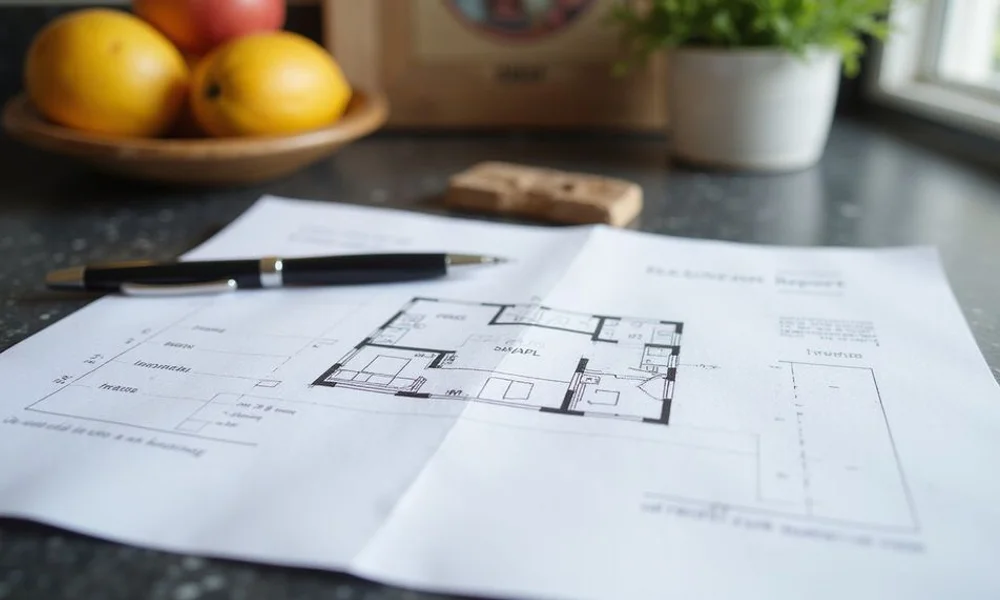
What Drives the Cost of Evaluation?
We do not publish a headline price for this work, because a number without a scope is not useful to you. These are the factors that actually move a proposal up or down.
| Factor | Why it changes the number |
|---|---|
| Property size and layout | More floor area means more readings and more time. Two-storey homes and properties with additions take longer than a single-storey rectangle. |
| Foundation type | A slab evaluation is conducted from inside and around the perimeter. A pier-and-beam evaluation adds a crawlspace inspection, which takes longer and depends on clearance. |
| Access conditions | Sealed crawlspace hatches, blocked perimeters, stored belongings and heavy landscaping all extend the time needed to complete a proper assessment. |
| Plumbing testing | Hydrostatic or isolation testing is a separate specialist scope carried out by a licensed plumber where findings suggest an under-slab leak. |
| Engineering involvement | An independent assessment from a licensed Professional Engineer is a separate engagement with its own fee, appropriate for consequential, lending or legal decisions. |
For a broader breakdown, read how much foundation repair costs in Austin and how to compare quotes .
Ready to get evaluation findings in writing?
Request a quote and we will explain what an evaluation can and cannot determine before you commit to anything.
Why Choose Us for Evaluation
Measurement, not impressions
Relative elevations across the living areas produce a map, not an opinion. Everything else in the report is anchored to it.
You keep the findings
The written summary is yours whether or not you hire us. It is also the baseline that makes any future change interpretable.
Honest about the limits
A single visit cannot establish whether movement is progressing. We say what is unknown rather than filling the gap with confidence.
Drainage reviewed properly
Grading, downspouts, swales and irrigation are part of the assessment, not an afterthought. Often they are the cheapest useful change available.
Clear on contractor versus engineer
We explain what our evaluation is and is not, and when an independent licensed engineer is the right call for your decision.
No pressure to proceed
If the readings do not support repair, we say so. Monitoring with a documented baseline is a legitimate outcome.
How Our Evaluation Process Works
- 1
Tell us what changed
Describe what you are seeing and roughly when it appeared. We use that to plan the visit, though we never diagnose from a description.
- 2
On-site measurement
Relative elevation readings across the main living areas, a perimeter walk for drainage and grading, and documentation of your observations.
- 3
Context and history
We review prior repairs, warranties, plumbing history and site changes, because the same readings can mean different things in different contexts.
- 4
Written findings
You receive the readings, what they indicate, what could not be determined in one visit, and clear next steps. The document is yours to keep.
What Evaluation Looks Like
Access, conditions and restoration vary by property. These images show the kind of work and conditions involved.
Illustrative images, not documented records of specific customer projects.
What Customers Say About Our Evaluation
Feedback from homeowners who wanted an explanation first and a quote second.
“They explained that what I was seeing looked seasonal and told me what to document over the next few months rather than selling me work.”
“They explained why our rocky lot behaves differently from my sister's place in Round Rock. That context made the whole conversation clearer.”
“We were buying a 1940s bungalow and needed to understand the previous repair. They reviewed the records with us and explained what was still open.”
Reviews shown are representative of the feedback we receive. We publish permissioned customer reviews only and never invent projects, measurements or outcomes. Read more about our review policy.
Evaluation FAQs
What does a foundation evaluation actually measure?
Relative floor elevations across the main living areas, usually with a digital manometer. The output is a map showing how the floor sits relative to a chosen baseline point. It also covers drainage and grading around the perimeter, the visible observations that concerned you, and any repair history.
Is a contractor evaluation the same as an engineering assessment?
No, and the distinction matters. Our evaluation identifies observations, takes measurements and scopes possible repair. A licensed Professional Engineer provides an independent structural opinion and is not selling the repair. For consequential decisions, or where a lender or legal process is involved, an engineering assessment may be the appropriate step.
How long does it take?
Allow around an hour for most single-storey homes. Larger properties, two-storey homes and pier-and-beam houses with crawlspace access take longer. We would rather take the time than rush the readings.
Do I need to be there?
You are welcome to be, and most people find it useful because you can point out exactly what concerned you and ask questions as we go. We need interior access to the main living areas and a clear path around the perimeter either way.
What do I receive afterwards?
A written summary with the elevation readings, what they indicate, observations recorded with their locations, drainage notes, and clear next steps. If repair is warranted, a separate proposal sets out work locations, method, inclusions, exclusions and warranty terms.
Can you tell from the readings whether the problem is getting worse?
Not from a single visit. One set of readings is a snapshot. Progression is established by repeating readings over time against the same baseline, which is exactly why having a documented starting point matters even when no repair is recommended.
What should I do before the appointment?
Photograph what you have noticed with locations, write down when each observation appeared and whether it has changed, and gather any prior repair records, warranties or plumbing history. Clear access to the crawlspace hatch if you have one.
Do you charge for the evaluation?
Contact us to confirm what applies to your property and situation. What we will not do is treat the visit as a sales appointment with a measurement attached, or pressure you to sign at the door.
What if you find an under-slab plumbing leak?
Leaks can drive movement, particularly upheaval, so identifying one changes the recommendation. Testing is carried out by a licensed plumber using hydrostatic or isolation methods. Repairing a foundation without addressing an active leak treats the symptom.
Still have a question?
If your situation isn't covered here, ask us directly. We'll tell you what an evaluation can and cannot answer.
Ask About Your FoundationRelated Services
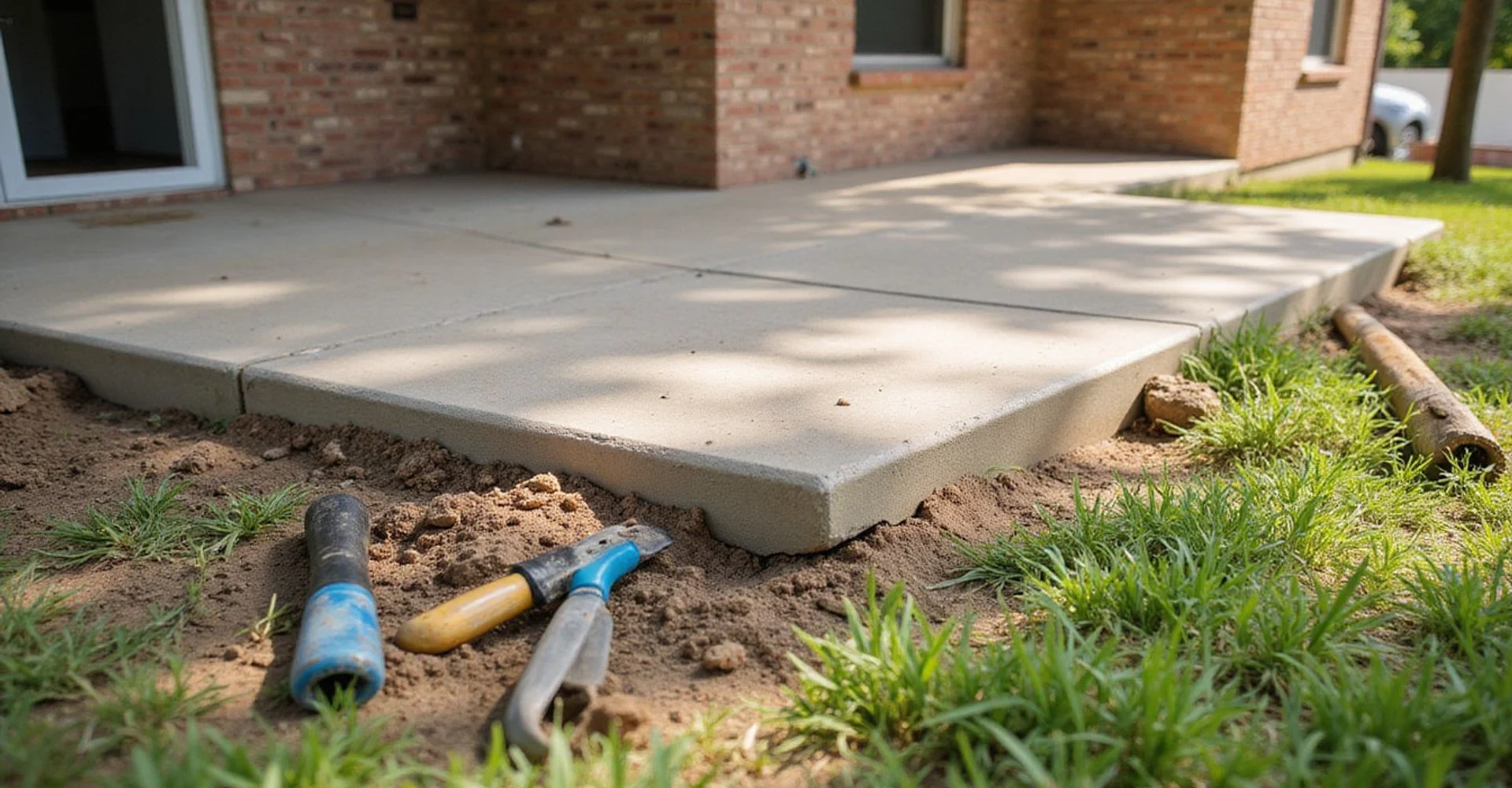
Slab Foundation Repair
Repair for slab-on-grade foundations: what evaluation examines, the approaches that may apply, and how access and restoration factor into scope.
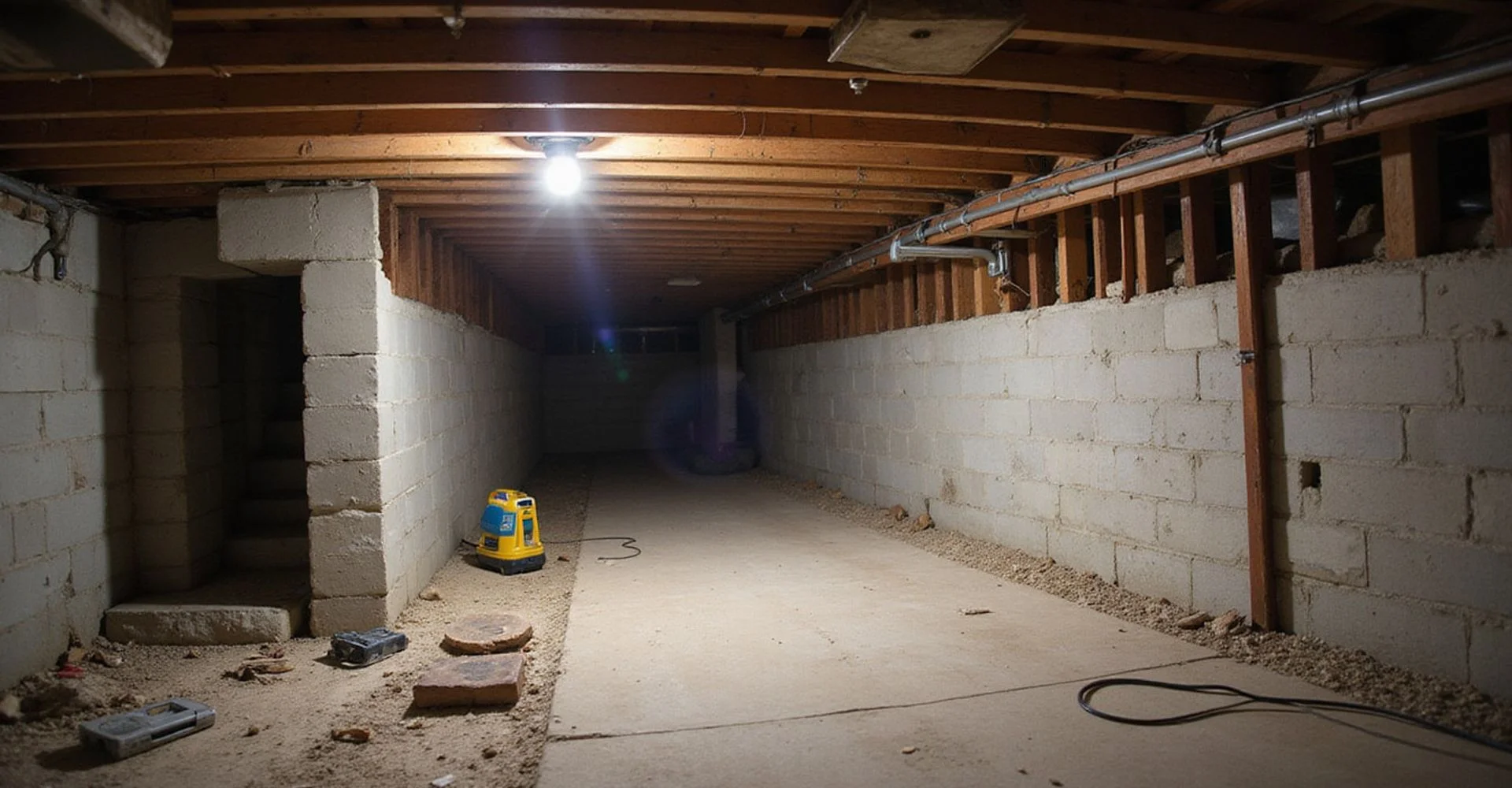
Pier-and-Beam Repair
Repair for pier-and-beam foundations: piers, beams, joists, crawlspace moisture and deterioration, plus realistic leveling objectives.
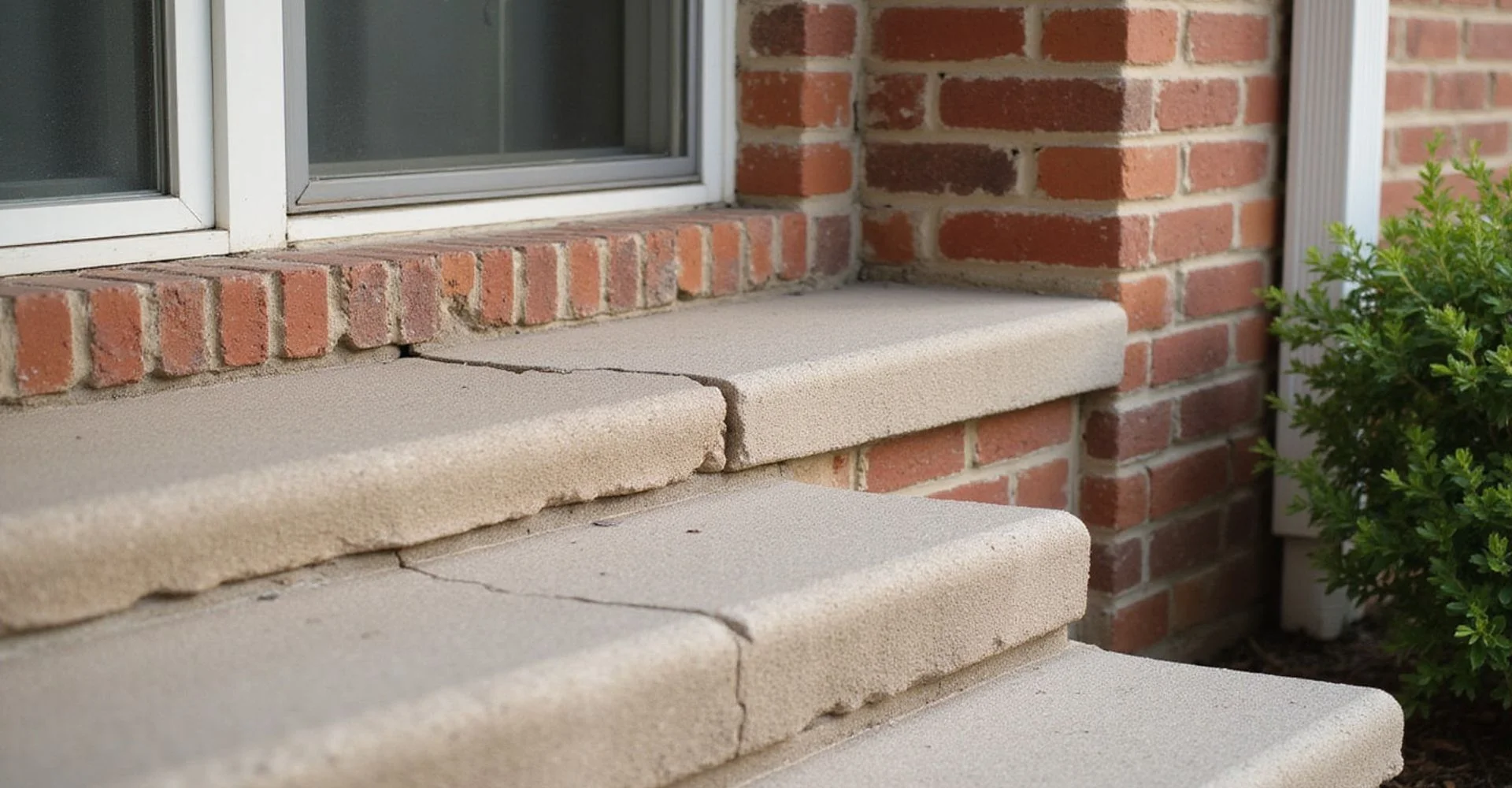
Foundation Warning Signs
What common foundation observations may indicate, what cannot be judged from appearance, and when to get an evaluation.

Ready to talk about evaluation?
Request a quote and we will explain the findings before anyone discusses scope.
- Written scope and exclusions
- No diagnosis from photos
- Licensed and insured in Texas