
Foundation Repair Methods Explained
Steel piers, drilled concrete and pressed systems explained accurately, and why methods are never interchangeable.
- Overview of steel, drilled concrete, and pressed systems
- How systems differ and why they aren't interchangeable
- Why method choice depends on evaluation, not symptoms
- 4.9 (300+ Google reviews)
- Licensed & insured in Texas
- Fast Local Response
- Written Scope & Warranty
Why Homeowners Look Into Methods
A quote named a system you have never heard of
Steel piers, drilled piers and pressed concrete are not interchangeable, and a proposal should explain why one was chosen for your property.
You do not know if steel or concrete piers fit your property
The right system follows soil, depth to bearing material, load and access, not a company's default install.
You are worried the method was picked by price, not soil
Method choice should trace back to evaluation findings. If a proposal cannot explain why, that is worth asking about directly.
Explanations online contradict each other
A lot of generic content treats pier systems as interchangeable. They are not, and the differences matter for your specific site.
Why method selection is not a detail
Every foundation repair proposal you receive will name a system. Most homeowners skim past it, because the words mean nothing without context and the price is easier to compare. That is a mistake, because the system determines whether the work addresses your site’s actual conditions.
The principle behind all of them is the same. Underpinning transfers structural load from soil that has moved down to material deeper that can carry it reliably. The systems differ in how they get there, how deep they can practically go, how capacity is verified, and what conditions they suit.
What they are not is interchangeable. And a method should never be assigned from a ZIP code, a neighbourhood, or the particular crack you photographed.
Steel push piers
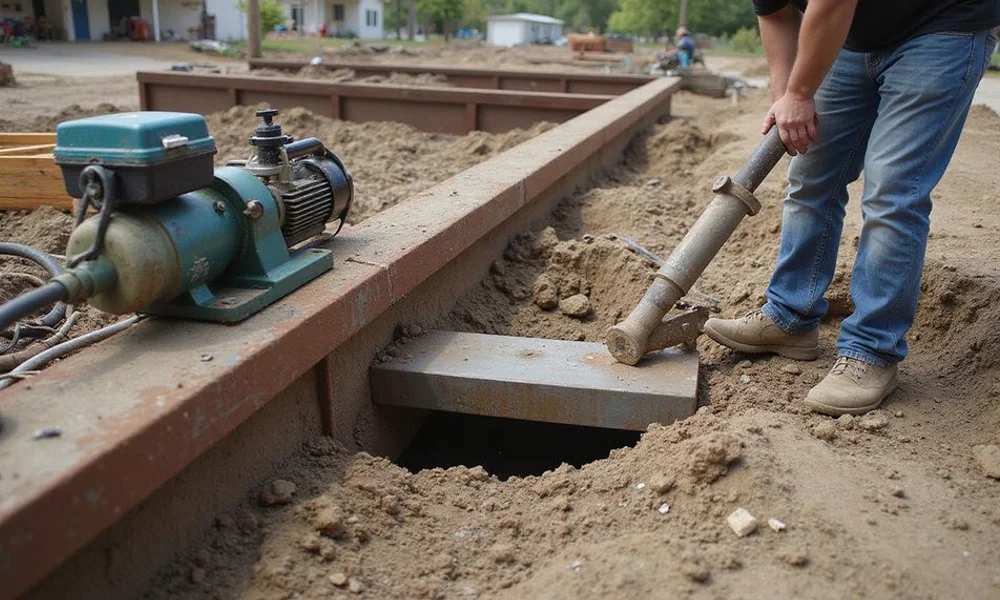
Sections of steel pipe are driven hydraulically beneath the foundation, using the weight of the structure itself as the reaction force. Sections are added until the pier reaches depth-to-refusal: the point where resistance is sufficient to carry the intended load. A bracket then transfers the structural load onto the pier.
Where they fit. Sites where competent bearing material sits deeper than a pressed system can practically reach. Steel can generally be driven deeper than pressed concrete, which matters where the active zone of expansive clay is deep or where the bearing layer is well below the surface. Installation pressure provides a measurable indication of capacity.
Limits. They rely on adequate structure weight for reaction, which can be a constraint on lighter sections of a building. Premature refusal on buried debris or an old footing needs to be distinguished from genuine bearing, and that requires attention during installation rather than after.
Pressed concrete piers
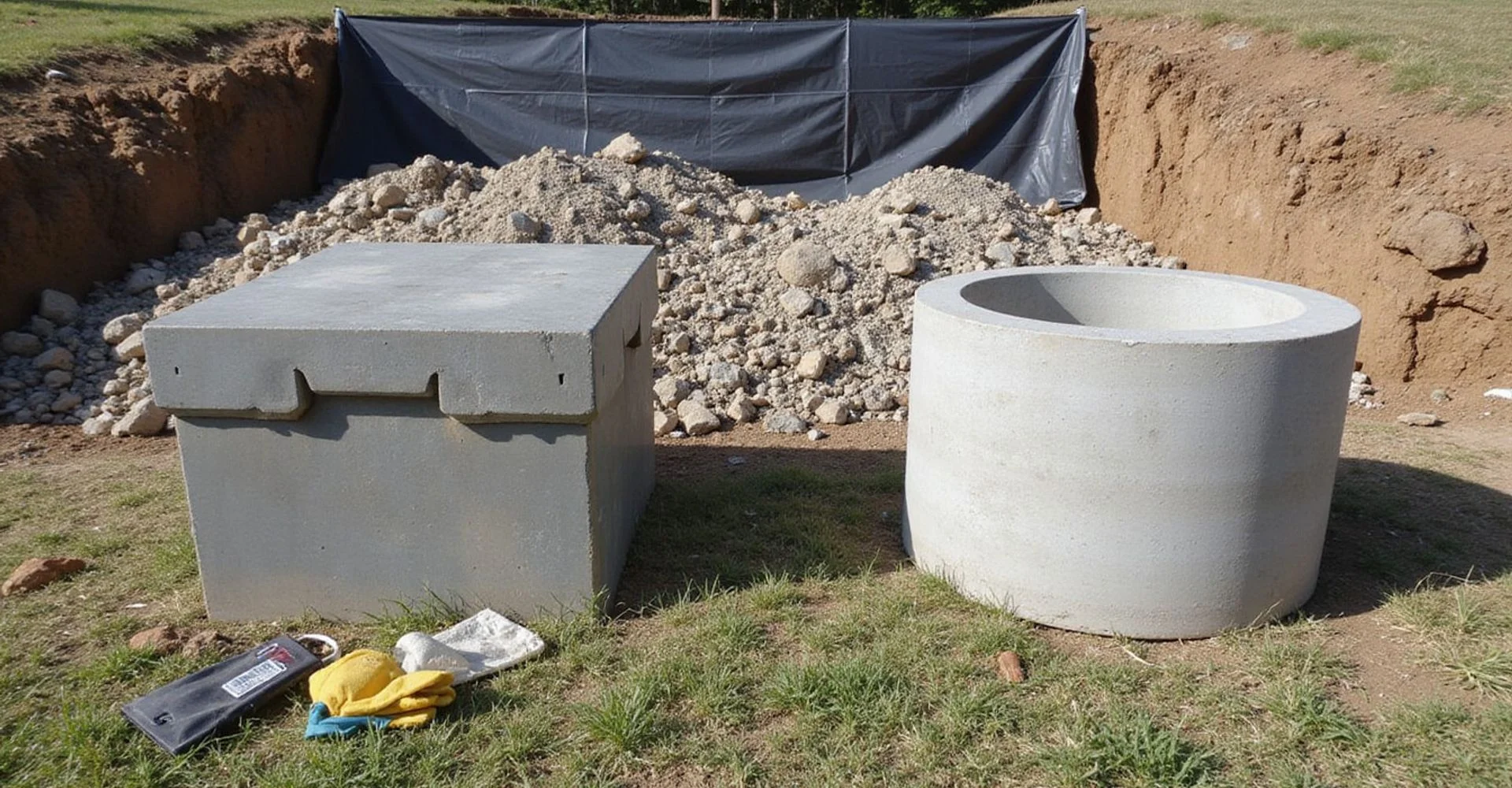
Precast concrete cylinders are pressed hydraulically into the ground, one segment at a time, stacking to form a column. Load is carried through a combination of end bearing and skin friction along the shaft.
Where they fit. Sites where suitable bearing material is at moderate depth, where the soil column provides useful friction, and where cost per location matters across a larger number of supports. They have been used extensively across Texas for decades.
Limits. Practical installation depth is generally shallower than driven steel. Segments are stacked rather than mechanically joined in the way steel sections are, so alignment during installation matters. Where the bearing layer is deep, pressed concrete may not reach it.
Drilled concrete piers
A hole is augered to a designed depth, reinforcement is placed, and concrete is poured in place. Rather than being driven into the ground, the pier is formed in it.
Where they fit. Engineered solutions where diameter, depth and reinforcement are specified to carry a calculated load. Situations where an engineered plan governs the repair. Sites where drilling conditions are favourable and equipment access allows for a rig.
Limits. Requires access for drilling equipment, which rules it out in tight interior or side-yard situations. Needs cure time before load transfer, unlike driven systems. Generally a larger operation.
Helical piles
A shaft with helical plates is screwed into the ground with a hydraulic motor. Installation torque correlates with capacity, which provides a useful verification measure during installation rather than after.
Where they fit. Soil conditions suited to helical advance, situations where the structure cannot provide sufficient reaction load for a driven system, and applications where documented torque-based capacity verification is valued.
Limits. Not suited to all soil profiles, particularly where obstructions or very hard layers prevent advance. Equipment access is required.
What actually determines the choice
Soil profile and depth to competent bearing material. The single biggest factor. Around Austin this changes dramatically over short distances. East of the I-35 corridor, deep expansive clay may mean the bearing layer is well down. West, limestone can be close to the surface and its depth can vary across one lot.
Structural loads. Where the support is going and how much load it must carry.
Access. Equipment size against side-yard width, gates, slope, landscaping and whether interior locations are involved. This narrows the options more often than people expect.
Engineering requirements. Where an engineered plan governs, the plan specifies system, depth and placement, and the contractor executes it.
Verification. How you will know the support is carrying what it should. Installation pressure, torque and recorded depths are all evidence, and a proposal should say what will be documented.
What to ask about any proposed method
Ask why this system was selected for your site specifically. Ask what the expected installation depth is and what it is based on. Ask what happens if a support meets premature refusal. Ask what installation records you will receive. Ask what the alternative systems would have involved and why they were not chosen.
A company that can answer those clearly is assessing. One that deflects to a brand name or a lifetime-warranty claim is selling. That is the standard we hold our own foundation repair work in Austin to as well.
For a direct side-by-side, read steel piers versus concrete piers. If you want to start with what your property actually needs rather than with methods, begin with a foundation evaluation.
What Drives the Cost of Methods?
We do not publish a headline price for this work, because a number without a scope is not useful to you. These are the factors that actually move a proposal up or down.
| Factor | Why it changes the number |
|---|---|
| Depth to bearing material | How far a support must go before reaching material that can carry load varies across the region and sometimes across one lot. Deeper means more material, more time and higher cost. |
| System selected | Steel, pressed concrete and drilled systems have different material and equipment costs. The cheapest system is not the correct system if the site does not suit it. |
| Number and placement of supports | Placement follows structural load paths and evaluation findings. Count and position drive the number far more than the perimeter length of the house. |
| Access | Equipment size matters. Tight side yards, interior locations, mature landscaping and sloped lots all restrict what can be used and how fast work proceeds. |
| Obstructions and refusal | Buried debris, old footings and shallow rock can cause premature refusal, which changes the approach at that location and is worth understanding before work starts. |
| Engineering involvement | Where an engineered plan specifies system, depth and placement, that engagement is a separate cost, and it is often worth it on complex sites. |
For a broader breakdown, read how much foundation repair costs in Austin and how to compare quotes .
Ready to get methods findings in writing?
Request a quote and we will explain what an evaluation can and cannot determine before you commit to anything.
Why Choose Us for Methods
Method follows the site
We do not assign a system from a ZIP code, a symptom or a sales script. Site conditions decide, and we show you why.
Balanced explanations
Every system has trade-offs. We describe the limits of the one we recommend, not just its advantages.
Installation data recorded
Depths, pressures and locations documented, so capacity is evidenced rather than claimed.
Refusal handled honestly
Premature refusal on shallow rock or an obstruction is a real outcome. We explain how it is handled before work starts.
Engineering when warranted
On complex sites an engineered plan is the right call. We will tell you when we think you are in that territory.
No proprietary mystique
Systems are described in plain engineering terms rather than as branded miracles with undisclosed mechanics.
How Our Methods Process Works
- 1
Establish site conditions
Soil type, likely depth to bearing material, load paths and access. The method conversation cannot start before this.
- 2
Match system to conditions
Steel, pressed concrete or drilled, selected against depth, load, soil and access rather than against what we prefer to install.
- 3
Install to refusal or design depth
Supports are installed with installation pressures or torque recorded so capacity is documented rather than assumed.
- 4
Transfer load and record
Load is transferred in a controlled sequence and installation records are provided with the completed work.
What Methods Looks Like
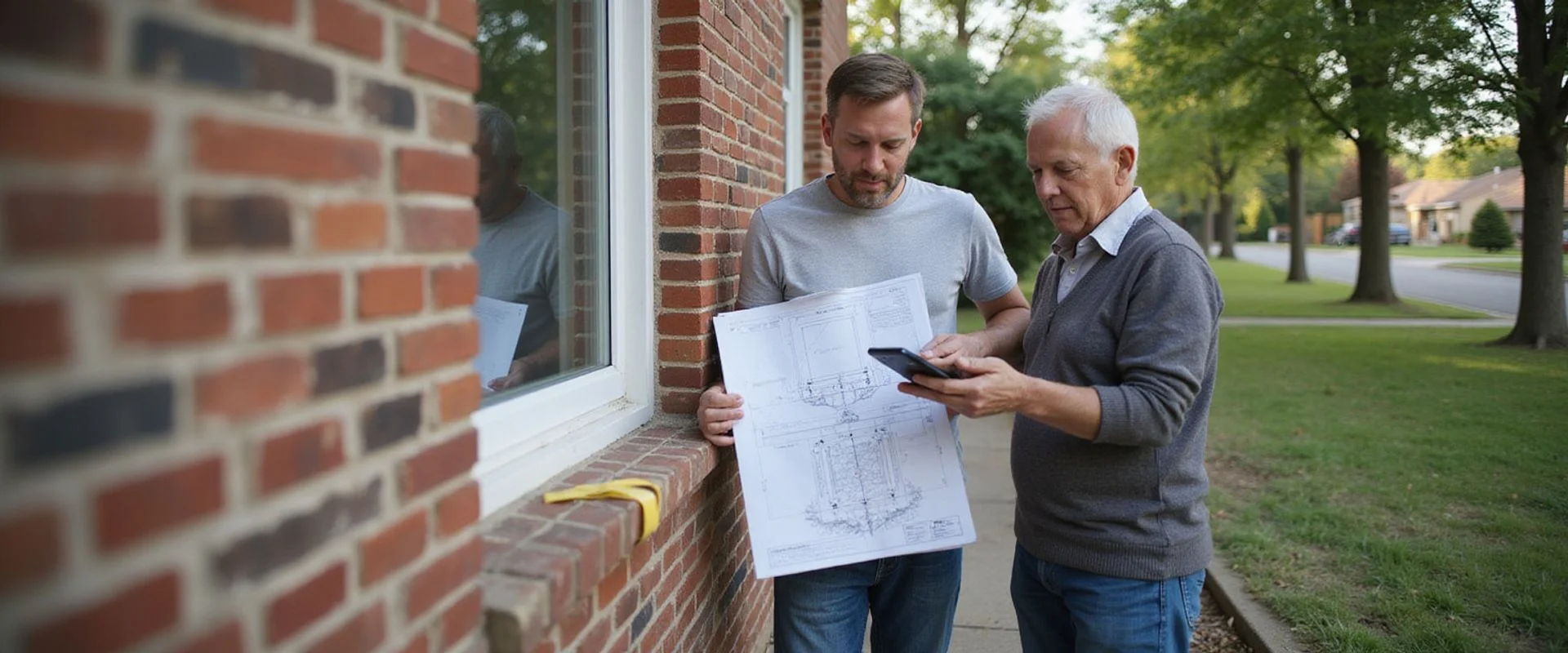
Access, conditions and restoration vary by property. These images show the kind of work and conditions involved.
Illustrative images, not documented records of specific customer projects.
What Customers Say About Our Methods
Feedback from homeowners who wanted an explanation first and a quote second.
“Our lot is on a slope with a retaining wall. They looked at access properly and were upfront about what that meant for the work.”
“They explained how the fill under part of our pad could behave differently from the rock under the rest. That finally made sense of what we were seeing.”
“Their breakdown of scope, method, and exclusions finally made the differences between quotes make sense.”
Reviews shown are representative of the feedback we receive. We publish permissioned customer reviews only and never invent projects, measurements or outcomes. Read more about our review policy.
Methods FAQs
Which repair method is best?
There is no universally best method, and anyone telling you otherwise is selling rather than assessing. Steel, pressed concrete and drilled systems each suit particular combinations of soil, depth to bearing material, load and access. The right question is which suits your site, and that comes from evaluation.
How do steel push piers work?
Sections of steel pipe are driven hydraulically beneath the foundation using the weight of the structure as reaction, continuing until they meet enough resistance to carry load. That point is called depth-to-refusal. A bracket then transfers structural load onto the pier.
How do pressed concrete piers work?
Precast concrete cylinders are pressed into the ground segment by segment, stacking to form a column that transfers load to deeper material. They rely on a combination of end bearing and friction along the shaft, and installation depth is generally shallower than driven steel.
What are drilled piers?
A hole is augered to a designed depth, reinforcement is placed, and concrete is poured in place to form a pier. Because they are formed in the ground rather than driven, they can be designed to specific dimensions and depths, which suits engineered solutions on complex sites.
What is depth-to-refusal?
The depth at which a driven support meets enough resistance to carry the intended load. It varies across the Austin region and can vary across a single lot, because limestone depth and soil conditions are not uniform. Refusal can also occur prematurely on buried debris or an old footing rather than on competent bearing material.
Are helical piles used in residential foundation repair?
They are used in some situations. A helical pile is screwed into the ground with a hydraulic motor, and installation torque correlates with capacity, which gives a useful verification measure. They suit certain soil conditions and loads, particularly where a reaction load from the structure is limited.
Why do some companies only offer one system?
Usually because they have invested in the equipment and training for it. That is not automatically a problem, but it does mean the recommendation may reflect their capability rather than your site. Ask why the system was selected, and what the alternatives would have cost.
Can the method be chosen from a symptom or a location?
No. Assigning a system because a house is in a particular area or shows a particular crack is guesswork. Soil type, depth to competent bearing material, structural loads, access and any engineering requirements all bear on the choice, and those are site-specific.
Still have a question?
If your situation isn't covered here, ask us directly. We'll tell you what an evaluation can and cannot answer.
Ask About Your FoundationRelated Services
Slab Foundation Repair
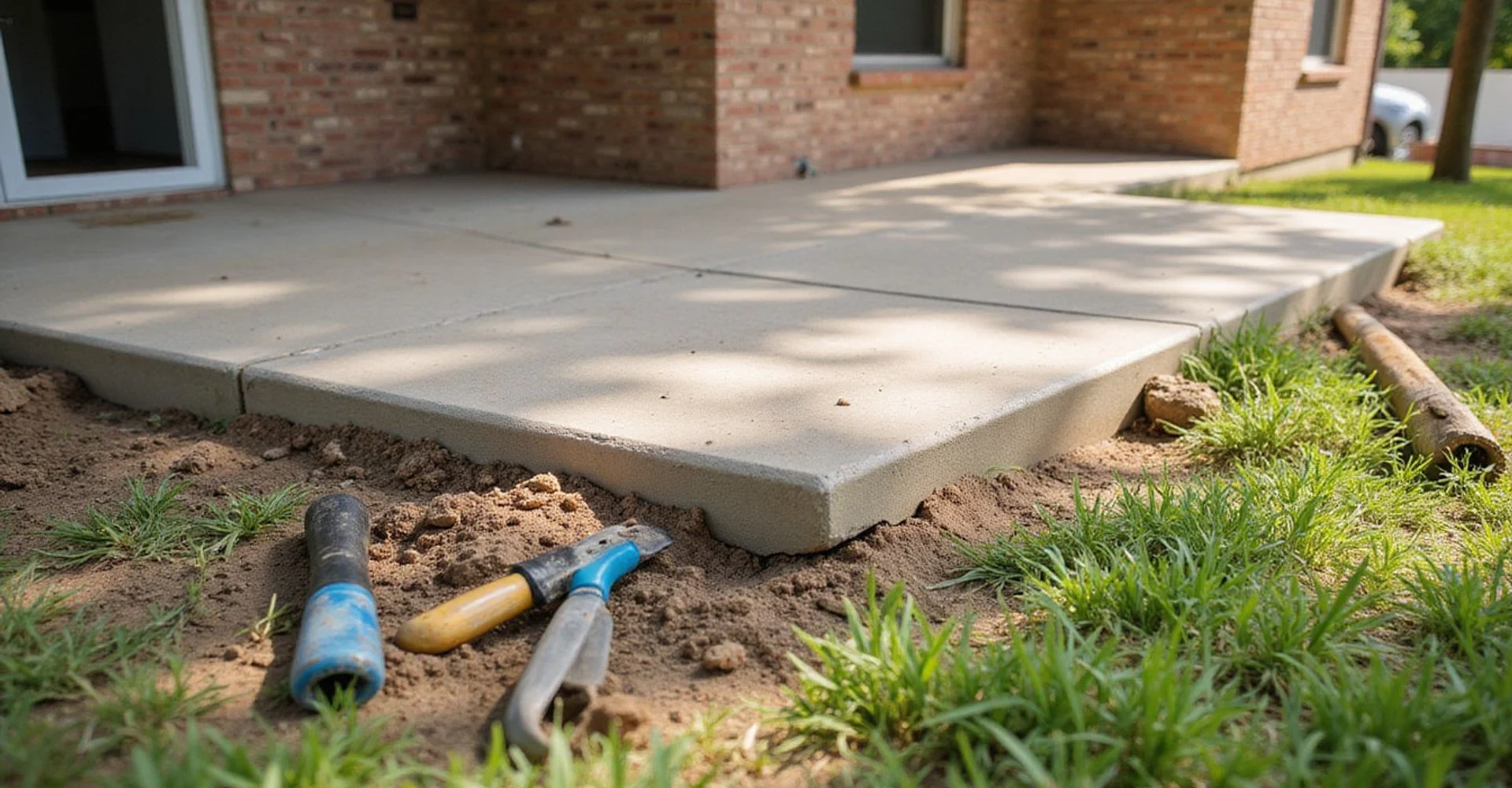
Repair for slab-on-grade foundations: what evaluation examines, the approaches that may apply, and how access and restoration factor into scope.
Pier-and-Beam Repair
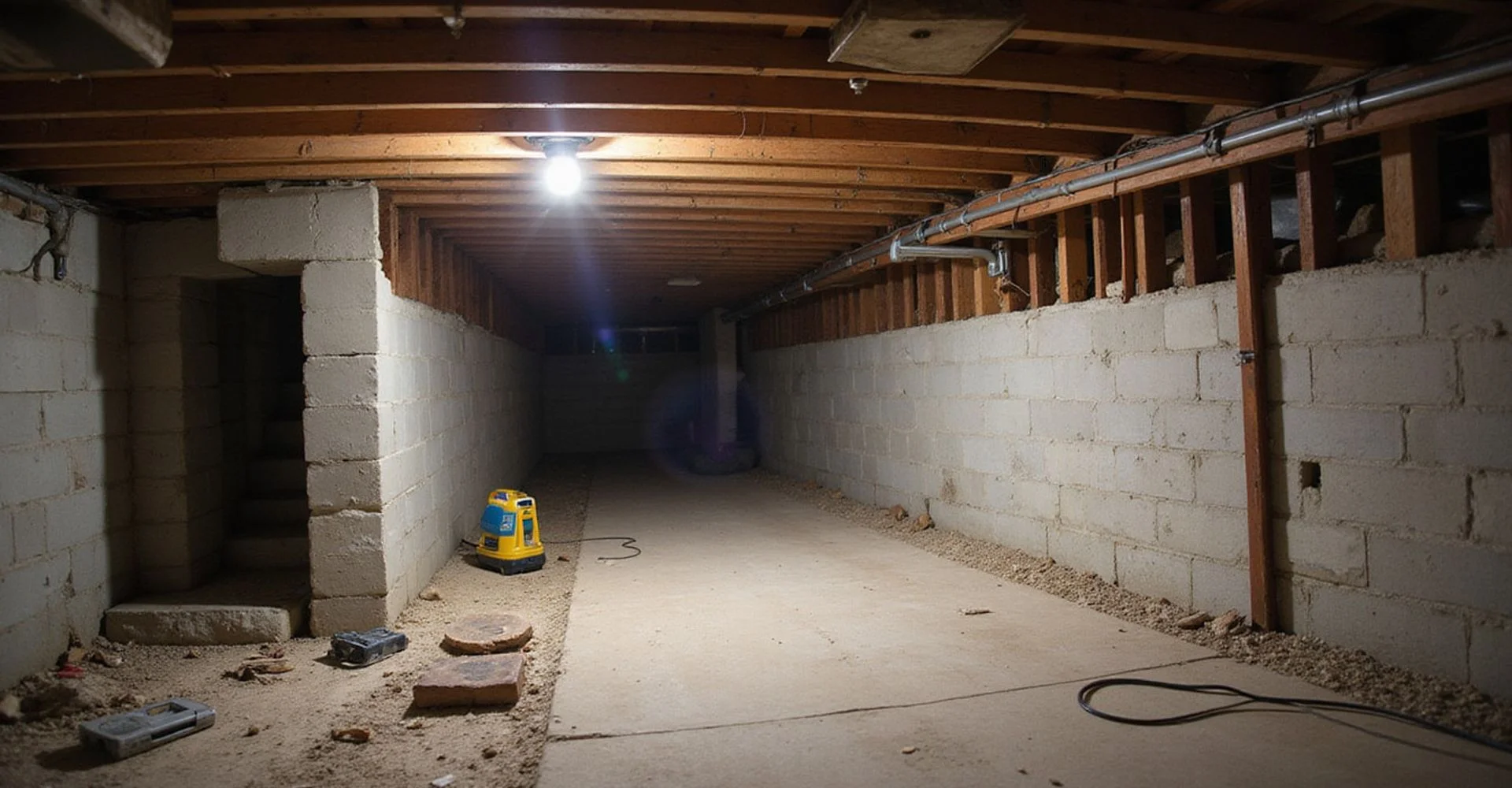
Repair for pier-and-beam foundations: piers, beams, joists, crawlspace moisture and deterioration, plus realistic leveling objectives.

Foundation Evaluation
What an evaluation examines, who attends, the written deliverables you receive, and the next steps toward a quote.
Ready to talk about methods?
Request a quote and we will explain the findings before anyone discusses scope.
- Written scope and exclusions
- No diagnosis from photos
- Licensed and insured in Texas