

Start by accepting that the prices are not comparable yet
You have two or three proposals in front of you, the numbers are wildly different, and the natural instinct is to split the difference or take the middle one. Resist that. In foundation repair, the price gap between proposals usually reflects different work rather than different margins. If you are still deciding whether to get quotes at all, start with our overview of foundation repair in Austin.
Until you have established that two proposals cover the same scope, comparing their totals is comparing nothing. This guide is the worksheet for establishing that. It pairs with our guide on what drives foundation repair cost in Austin, which explains where the numbers come from in the first place.
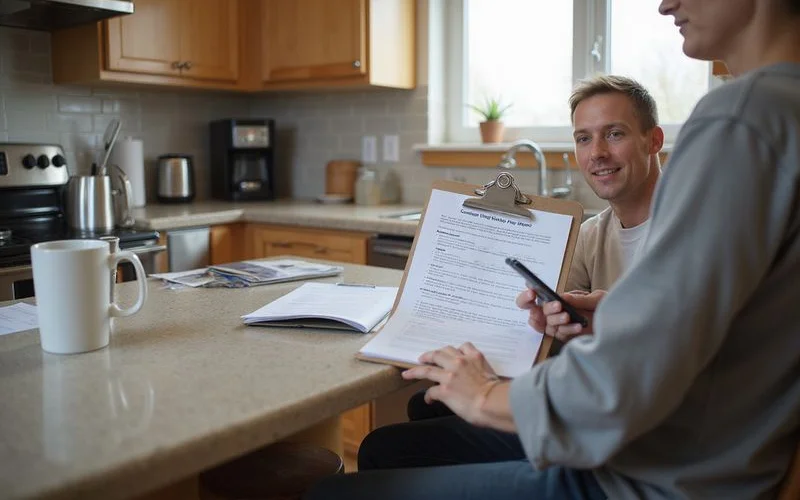
The comparison worksheet
Go through each proposal and fill in the same eight rows. If a proposal cannot answer a row, that is itself a finding.
| Item | What to identify |
|---|---|
| Scope | The exact work and the specific locations, not just a count of supports |
| Approach | The system named, plus an explanation of why it was selected for this site |
| Assessment | What measurements and documents the recommendation rests on, and who produced them |
| Included work | Excavation, access, permits, plumbing coordination, restoration |
| Exclusions | Items named explicitly as not covered |
| Schedule | Expected timing and what it depends on |
| Warranty | Provider, coverage, exclusions, duration, transfer terms |
| Payment | Written schedule and the conditions attached to each stage |
Two proposals with the same total can look completely different once that table is filled in. That is the point.
Where the differences usually hide
Support count and placement. One proposal says twelve locations, the other says twenty. Ask each company how they arrived at the number and what measurements it is based on. A count that cannot be traced back to elevation readings is a count someone chose.
Interior versus exterior access. Interior work is more disruptive and more expensive. A proposal that keeps everything on the outside may be leaving out locations the other company considers necessary, or it may be the smarter plan. Either way, it is a real difference.
Restoration. This is the classic hidden gap. Backfill and compaction, concrete patching, landscaping replacement, interior flooring and drywall repair. One proposal including restoration and another excluding it can account for most of the price difference by itself.
Engineering and permits. Whether an engineered plan is included, and who is responsible for pulling permits and paying the fees.
Plumbing. Whether pre-work and post-work plumbing testing is included, particularly on slab work where lifting can stress existing lines.

Read the exclusions before the price
Exclusions are where a proposal tells you the truth about its scope. A short exclusions list on a low price usually means the exclusions simply were not written down, not that nothing is excluded.
Questions worth asking every company
Ask why this method was chosen for your site specifically, and what the alternatives would have involved. Ask what happens if a support meets refusal earlier than expected, and how that is priced. Ask what installation records you will receive. Ask what the change-order process is and whether extra work requires your written approval before it proceeds.
Ask who does the work: employees or subcontractors, and who coordinates the project and stands behind it. There is nothing wrong with subcontracting, but you should know who to call when there is a problem.
Ask what happens if the result does not match the plan. And ask them to explain, without being defensive, why their scope differs from the other proposal you received.
Warranty comparison deserves its own pass
A warranty is only worth what its terms say. Compare the provider, whether it is backed by the company or a third party, what conditions void it, whether it covers non-repaired areas of the foundation, and what transfer to a new owner requires. Our guide on foundation repair warranties covers what to look for in detail.
What a good proposal feels like
It names locations rather than counts. It explains reasoning rather than asserting expertise. It states exclusions clearly. It does not expire at the end of the visit, and it does not come with a discount that disappears if you want to think about it overnight.
If you are earlier in the process and do not yet have measurements to anchor any of this, start with a foundation evaluation. Every row of the worksheet above gets easier to fill in once you know what your property actually shows.