
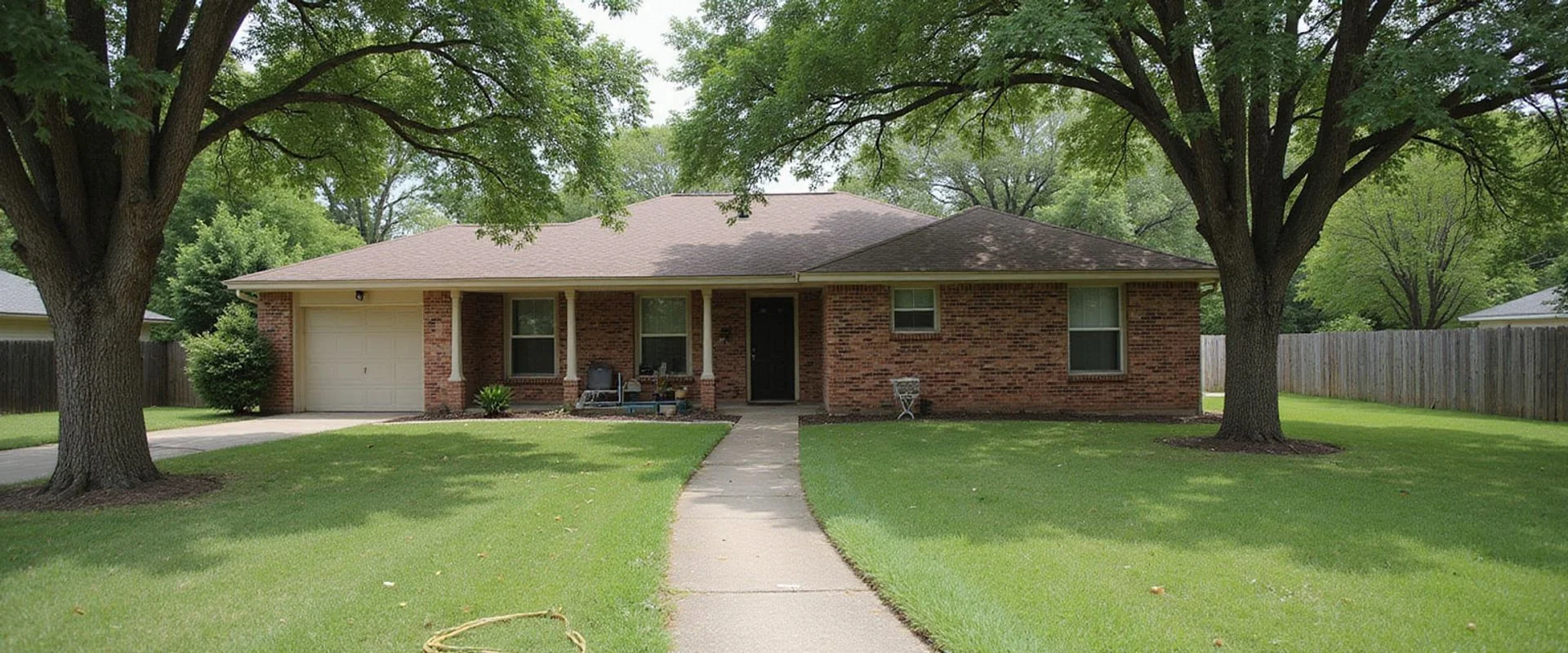
Foundation Repair for Cedar Park Slab Homes on Limestone
Austin Foundation Repair serves Cedar Park in Williamson County, where Edwards limestone and caliche along the Balcones Fault Zone replace the expansive Blackland Prairie clay soils found east of I-35. From Buttercup Creek, Ranch at Brushy Creek, and Block House Creek to Twin Creeks, Forest Oaks, and Lakeline, most housing is post-1990s slab-on-grade with stone or brick veneer on graded pads where rock depth varies across a single lot. Licensed and insured across Texas, we evaluate each Cedar Park property, take documented elevation readings, and explain the findings in plain language before discussing scope.
- Fast Local Response
- Written findings you keep
- Local soil and geology context
- 4.9 (300+ Google reviews)
- Licensed & insured in Texas
- Fast Local Response
- Written Scope & Warranty
Signs of a Foundation Problem? Sound Familiar.
These are the four situations Austin homeowners bring to us most often. None of them is proof of a problem on its own, and none of them should be dismissed either.
A crack appeared and you cannot read it
Stair-step cracks in brick, a diagonal line from a door frame, a gap at the trim. A crack is an observation, not a diagnosis, and width alone does not settle anything.
Floors feel uneven or doors stopped closing
Sloping floors and binding doors are movement cues. Whether they reflect settlement, heave, humidity or original construction takes measurement to answer.
Quotes came back wildly different
Two proposals can cover different work locations, different systems, and completely different exclusions. Until you compare scope line by line, the prices mean very little.
You do not know who to call first
A contractor evaluation and a licensed engineer’s assessment are not the same thing. Which one you need depends on the decision you are trying to make.
We work through all four the same way: observe, measure, explain, then discuss scope only once you understand what the readings show.
Read about foundation warning signsFoundation Services in Cedar Park
Austin Foundation Repair serves Cedar Park in Williamson County, where Edwards limestone and caliche along the Balcones Fault Zone replace the expansive Blackland Prairie clay soils found east of I-35. From Buttercup Creek, Ranch at Brushy Creek, and Block House Creek to Twin Creeks, Forest Oaks, and Lakeline, most housing is post-1990s slab-on-grade with stone or brick veneer on graded pads where rock depth varies across a single lot. Licensed and insured across Texas, we evaluate each Cedar Park property, take documented elevation readings, and explain the findings in plain language before discussing scope.
 Most requested
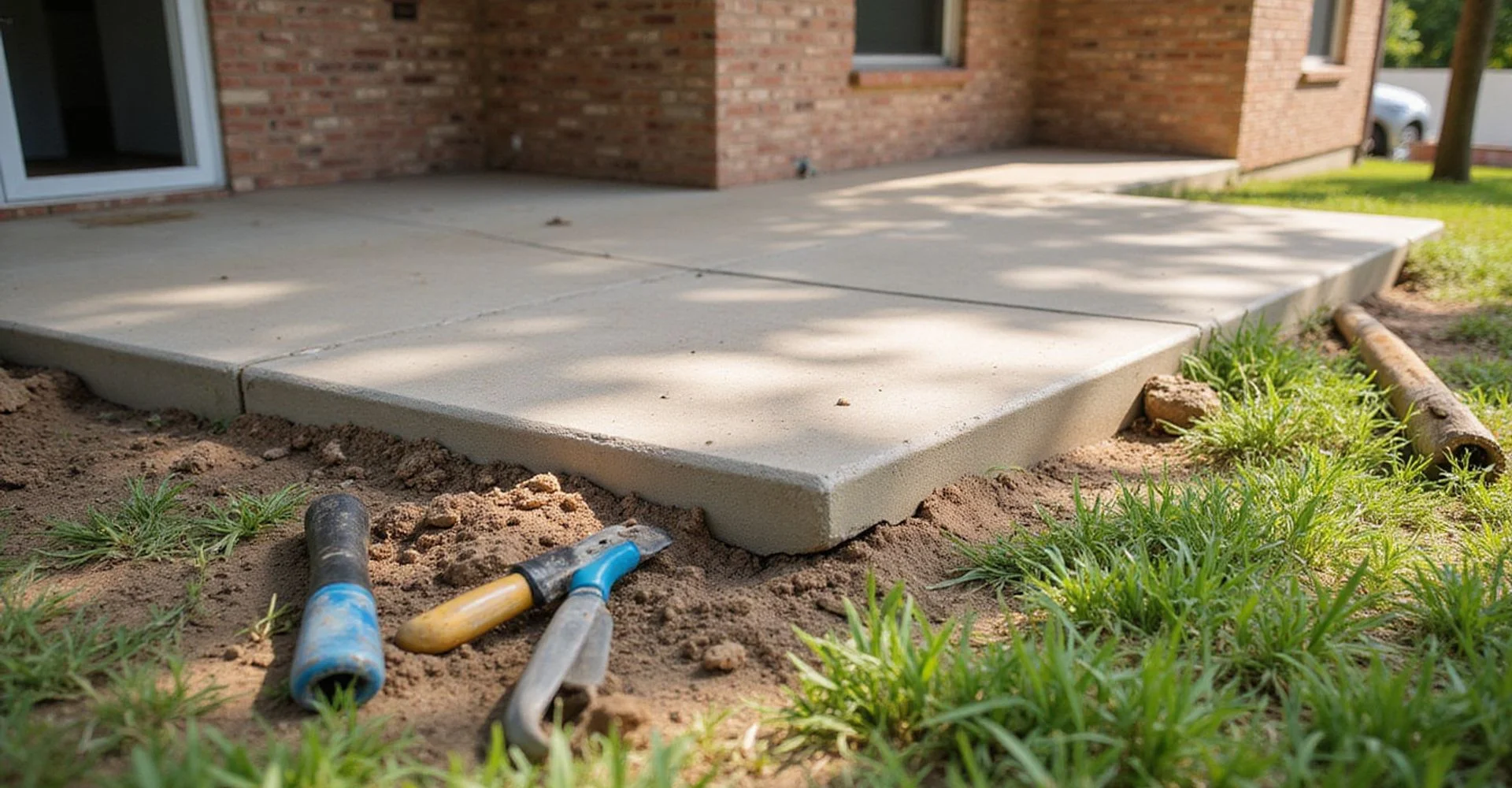
Slab Foundation Repair
Repair for slab-on-grade foundations: what evaluation examines, the approaches that may apply, and how access and restoration factor into scope.
Learn more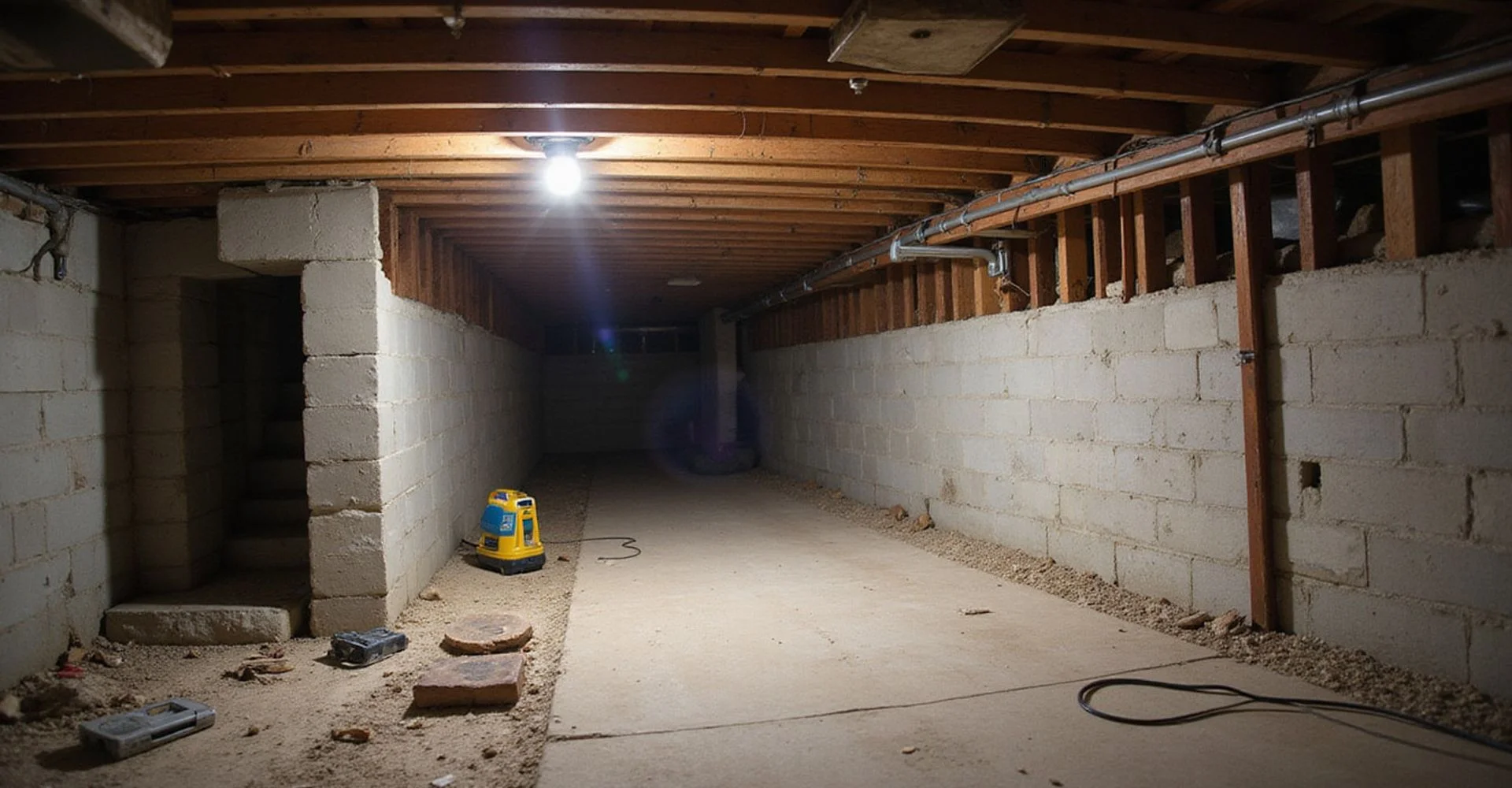
Pier-and-Beam Repair
Pier-and-beam foundation repair in Austin: structural inspection of piers, beams, joists, crawlspace moisture, and wood condition, with written scope and realistic leveling objectives.
Learn more Start here
Foundation Evaluation
What an evaluation examines, who attends, the written deliverables you receive, and the next steps toward a quote.
Learn more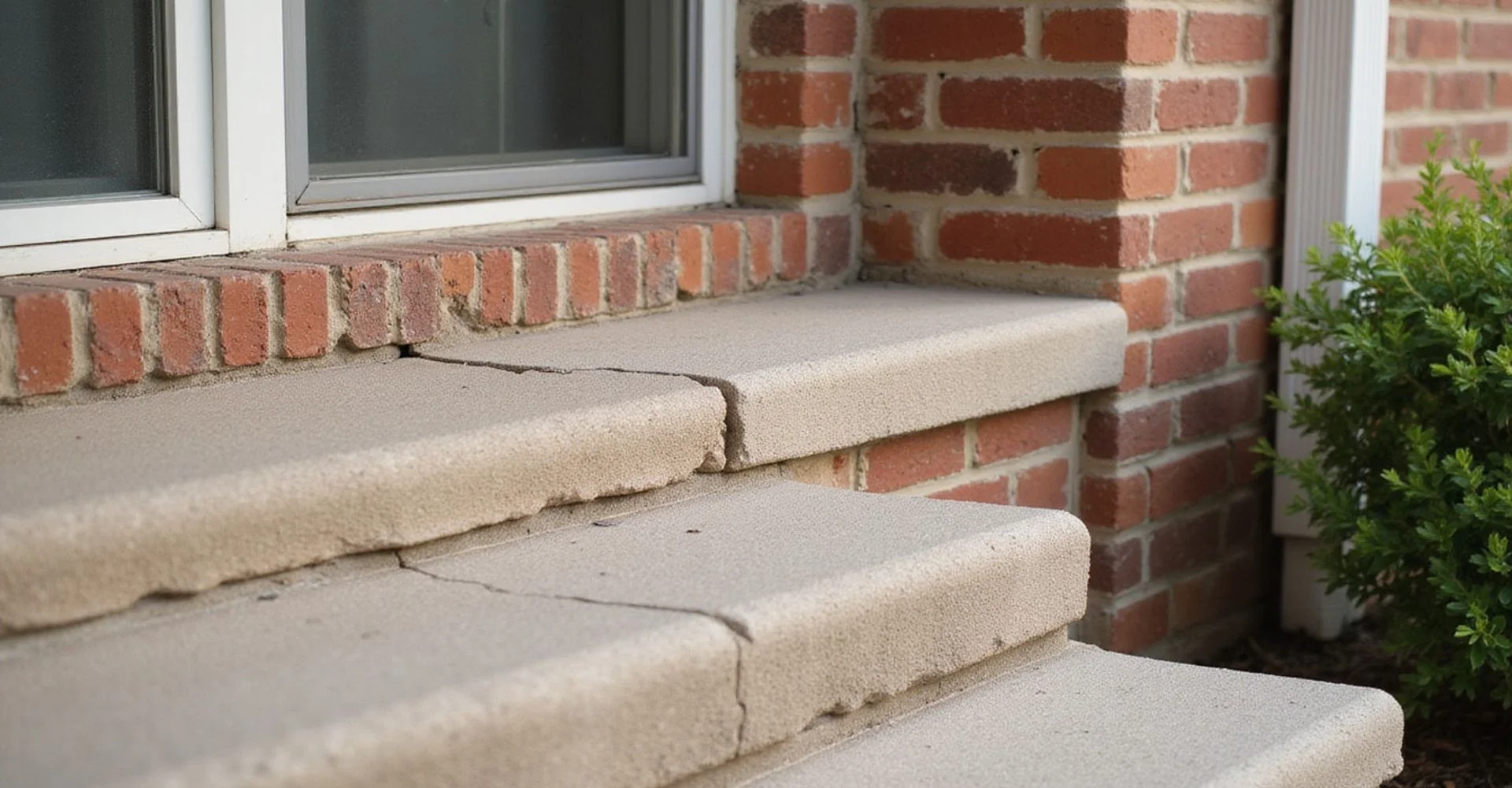
Foundation Warning Signs
What common foundation observations may indicate, what cannot be judged from appearance, and when to get an evaluation.
Learn more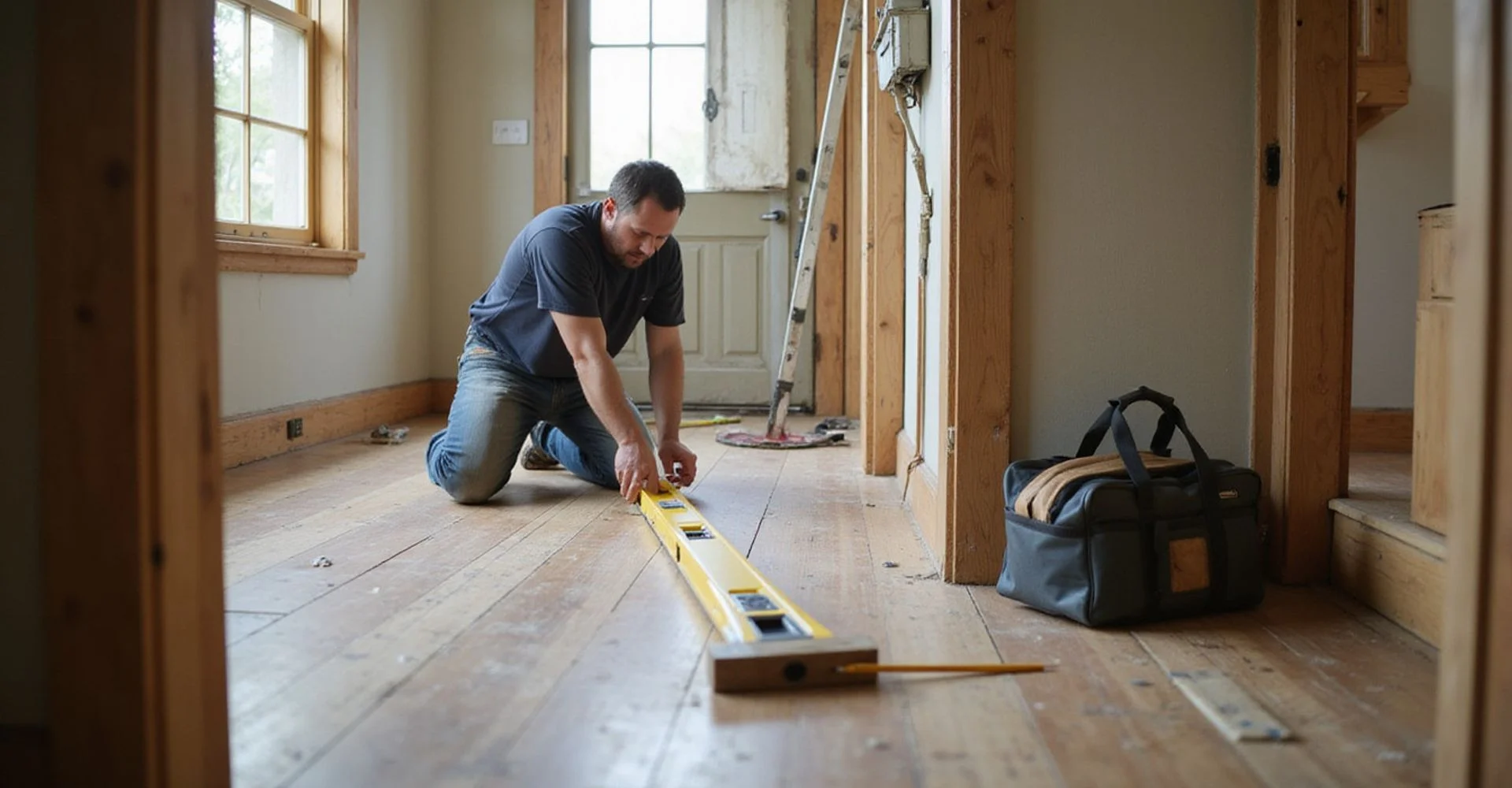
House Leveling
House leveling in Austin - how it relates to foundation repair, realistic objectives, limitations, and the factors that drive scope and cost.
Learn more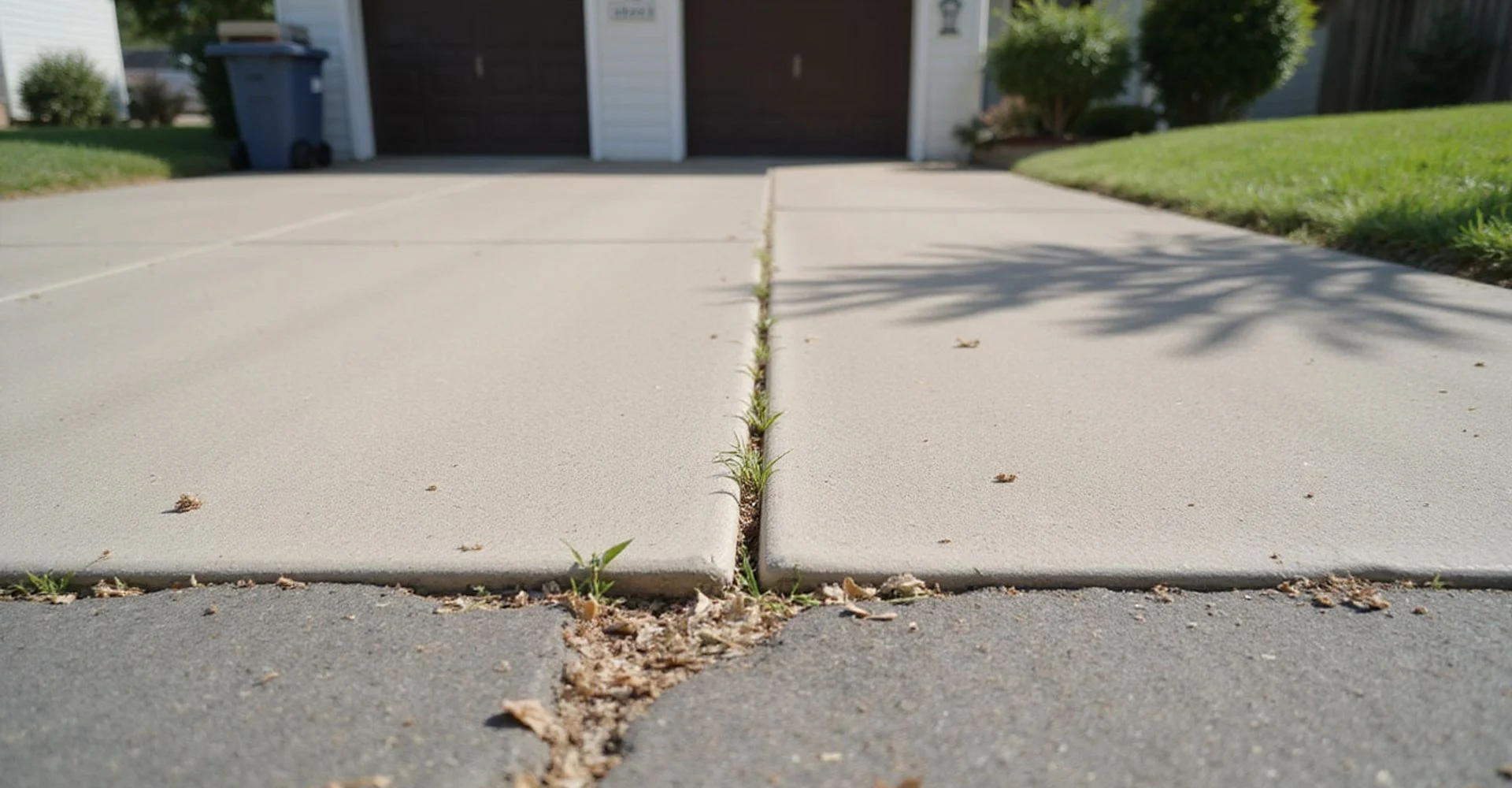
Concrete Leveling
Leveling for settled driveways, patios and sidewalks: foam injection versus mudjacking, what it addresses, and what it does not.
Learn more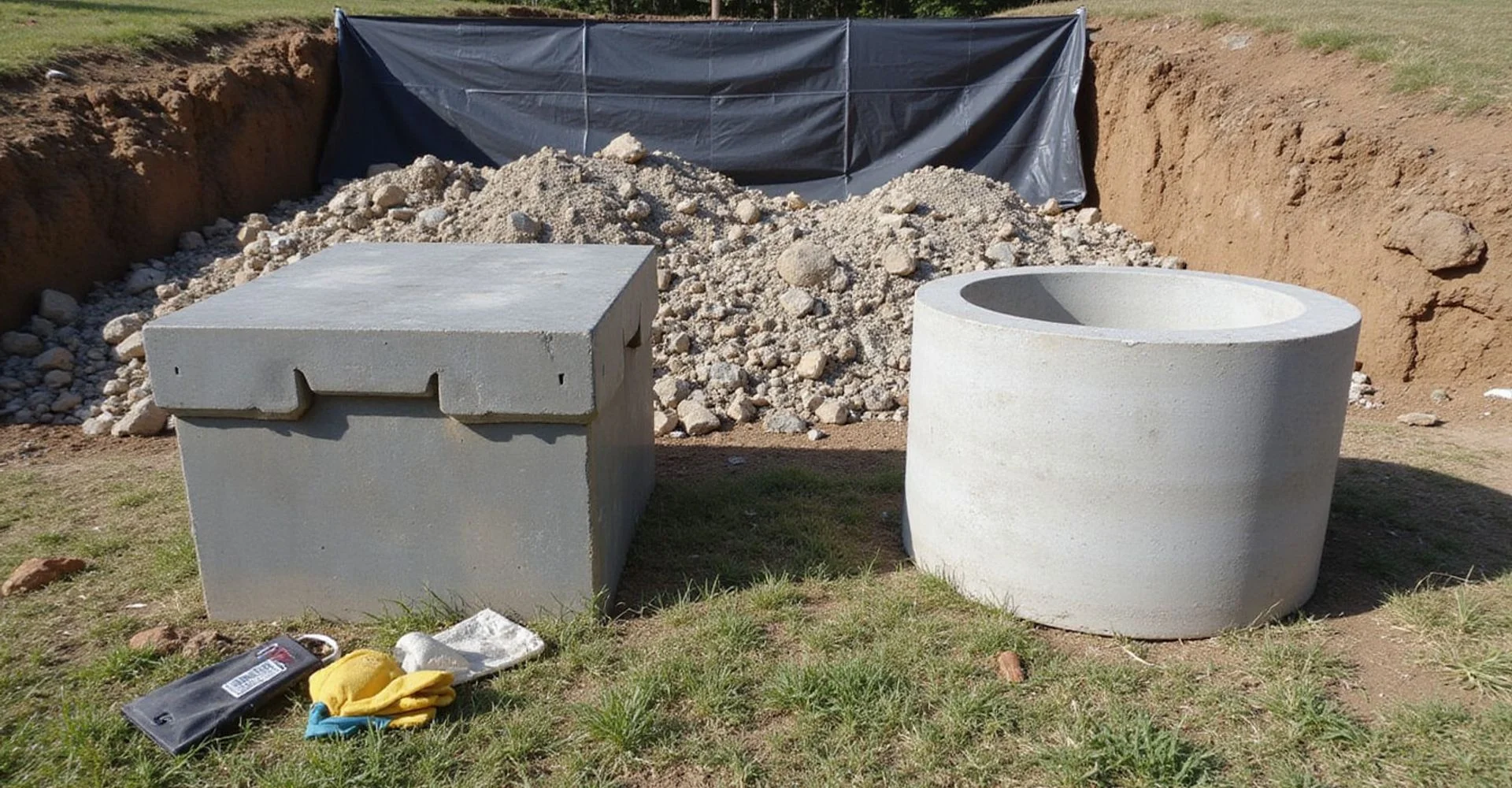
Repair Methods
Steel piers, drilled concrete and pressed systems explained accurately, and why methods are never interchangeable.
Learn moreHonest Evaluations and Written Findings
We understand how shallow and variable limestone changes the assessment
Slope, retaining walls, and cut-and-fill pads factored into access and scope
Method selection follows site findings, never a ZIP code or a single symptom
Written elevation readings and findings you keep, whether or not you proceed
Williamson County and City of Cedar Park permitting clarified before quoting
No pressure to decide at the appointment
Evaluation and Quotation for Cedar Park Homes
- 1
Tell us what you see
Send a short description through the quote form or call us. Photos and a rough timeline of when things changed help us prepare, though we never diagnose from a photo.
- 2
On-site evaluation
We take relative elevation readings across the main living areas, walk the exterior for drainage and grading, look at the observations that concerned you, and review any repair history.
- 3
Written findings
You receive a written summary with the readings and what they indicate, including anything that cannot be determined from a single visit. It is yours to keep either way.
- 4
A quote you can compare
If work makes sense, the proposal sets out work locations, method, inclusions, exclusions, schedule and warranty terms, so you can place it next to any other quote fairly.
Most single-storey evaluations take about an hour. Larger homes and pier-and-beam properties with crawlspace access take longer.
Not sure whether what you are seeing in Cedar Park is serious?
Ask us. We will tell you what an evaluation can and cannot determine before you commit to anything.
Getting to Your Cedar Park Property
Cedar Park is reached via US-183 through the center of the city, with US-183A as the toll bypass and RM 1431 running east-west. Parmer Lane and Anderson Mill Road provide access to southern neighborhoods, and Lakeline Boulevard connects the central and northern parts of the city. Austin Foundation Repair groups Cedar Park appointments in corridor-based blocks along US-183 and US-183A to keep arrival windows predictable.
Subdivisions off Lakeline Boulevard, Twin Creeks Drive, and Anderson Mill Road are straightforward to reach, including Buttercup Creek, Ranch at Brushy Creek, Block House Creek, Twin Creeks, and Forest Oaks. If your neighborhood has HOA vendor-access requirements or a gated entry, let us know when you book so the evaluation runs without delay. If you are searching for foundation repair near you in Cedar Park, our corridor-based scheduling keeps appointment windows tight throughout the week.
As of 2026, the City of Cedar Park handles residential permits inside the city limits, and Williamson County requirements apply outside them. We confirm which applies to your address before quoting work rather than assuming.
How Limestone and Caliche Shape Cedar Park Foundations
Cedar Park sits on the western side of the Balcones Fault Zone, where Edwards limestone, Glen Rose formations, and caliche replace the deep expansive Blackland Prairie clay found east of the I-35 corridor. Rock is often close to the surface, and its depth can vary sharply across a single lot.
That variability is the defining local issue. Most Cedar Park housing is post-1990s slab-on-grade with stone or brick veneer, built on graded building pads in planned subdivisions. Where a pad was cut into rock on one side and filled with compacted soil on the other, the two sections do not respond to moisture change identically. The result can be differential foundation settlement even with minimal expansive clay present. Add sloped drainage, retaining walls on tiered lots, and thin topsoil, and site-specific evaluation becomes essential.
Subdivisions like Buttercup Creek, Ranch at Brushy Creek, Block House Creek, and Twin Creeks sit on this limestone transition ground with varying rock depths. A small number of older Cedar Park properties near Anderson Mill include pier-and-beam construction with crawl space access, requiring a separate assessment focused on wood condition and moisture. Method selection - whether steel piers, helical piles, or drilled concrete piers - depends on rock depth and access conditions found during the evaluation. Austin Foundation Repair does not assign a repair approach from the neighborhood name or a single visible symptom.
What Cedar Park Customers Say
Feedback from homeowners who wanted an explanation first and a quote second.
“They explained why our rocky lot behaves differently from my sister's place in Round Rock. That context made the whole conversation clearer.”
“I was comparing three quotes and couldn't tell them apart. Their breakdown of scope, method, and exclusions finally made the differences make sense.”
Reviews shown are representative of the feedback we receive. We publish permissioned customer reviews only and never invent projects, measurements or outcomes. Read more about our review policy.
Neighbourhoods We Cover in Cedar Park
Cedar Park is part of the wider area served by our foundation repair company in Austin, and the same evaluation-first approach applies across every neighbourhood below.
Foundation Questions in Cedar Park
What causes foundation movement in Cedar Park?
Cedar Park sits on the western side of the Balcones Fault Zone, where Edwards limestone depth varies across a single lot. Most housing is slab-on-grade on cut-and-fill building pads, and where part of a pad bears on solid rock while another sits on engineered fill, the two sections respond differently to moisture change. That differential movement is the most common foundation concern in Cedar Park residential properties, and it cannot be identified from the street address alone.
Which Cedar Park neighborhoods do you cover?
We cover all of Cedar Park including Buttercup Creek, Ranch at Brushy Creek, Anderson Mill, Block House Creek, Twin Creeks, Forest Oaks, and Lakeline, plus surrounding Williamson County addresses. Leander, Round Rock, and Georgetown are also within our coverage.
Does Cedar Park's shallow rock change which repair method is used?
It can. In Cedar Park, shallow or variable Edwards limestone affects how deep supports can be installed and where refusal occurs, which influences whether a driven, pressed, or drilled system is appropriate. That is a site-specific decision made from evaluation findings, not a general rule about the area.
My lot slopes. Does that affect my foundation?
Slope itself is not the problem; how water moves across it is. Sloped lots concentrate runoff, and retaining walls, terracing, and cut-and-fill pads change where water collects. Drainage review is a standard part of our evaluation on these properties.
Which permitting applies in Cedar Park?
Cedar Park is in Williamson County. As of 2026, the City of Cedar Park handles residential permits inside the city limits, and county requirements apply outside them. We confirm the jurisdiction for your address and include permit responsibility in the written proposal.
How much does foundation repair cost in Cedar Park?
Cost depends on the foundation type, number and placement of supports, access on sloped or rocky lots, rock depth, and whether associated work like plumbing or interior restoration is included. As of 2026, our Austin-area cost guide covers the factors that affect pricing across Cedar Park and Williamson County. We provide a written proposal with clear scope so you can compare it against any other quote.
Is there a best time of year for foundation repair in Cedar Park?
Foundation repair can be done year-round in Central Texas. Drier months may offer easier access on rocky Cedar Park lots, but the deciding factor is usually the evaluation findings, not the calendar. If movement is progressing, addressing drainage and scheduling the work matters more than waiting for a particular season.
Does homeowners insurance cover foundation repair in Texas?
Standard Texas homeowners policies typically exclude foundation movement caused by soil conditions, settling, or normal wear. Coverage may apply when a covered peril such as a plumbing leak directly caused the damage. Review your policy language and ask your insurer for a written coverage determination before filing a claim.
Still have a question?
If your situation isn't covered here, ask us directly. We'll tell you what an evaluation can and cannot answer.
Ask About Your FoundationCedar Park Coverage Area
Areas Near Cedar Park
Ground conditions change quickly across Central Texas. Here is what we see in the communities next door.
Foundation Repair in Cedar Park / Leander
Austin Foundation Repair serves Cedar Park and Leander in the limestone and caliche transition west of I-35, where shallow Edwards limestone and sloped terrain change the questions every evaluation has to answer. Licensed and insured across Texas, we work from Buttercup Creek and Anderson Mill to Crystal Falls and Travisso, where ground conditions differ from the Blackland Prairie clay east of the corridor.
Foundation Repair in Leander
Austin Foundation Repair serves Leander in Williamson County, where the Edwards limestone and caliche transition creates variable ground conditions across fast-growing master-planned communities from Crystal Falls and Travisso to Bryson, Mason Hills and Bar W. Whether your home is a single-story slab on a graded pad or a two-story with stone veneer on sloped terrain, shallow rock depths and variable fill define how foundations behave across this corridor. We evaluate each Leander property with documented elevation readings and explain the findings in plain language before any repair method is assigned.
Foundation Repair in Round Rock
Austin Foundation Repair serves Round Rock and Williamson County, where Blackland Prairie clay - an expansive clay soil with high shrink-swell potential - makes seasonal foundation movement a common concern across subdivisions from Forest Creek and Teravista to Behrens Ranch and Avery Ranch. We evaluate each property, take documented elevation readings, and explain the findings before discussing scope.
Need foundation help in Cedar Park?
Fast Local Response. Written findings, clear scope, and no pressure to decide at the appointment.
- Written scope and exclusions
- No diagnosis from photos
- Licensed and insured in Texas