
The mechanics
Steel push piers are one of the systems covered on our foundation repair methods page, and they work on a straightforward principle.
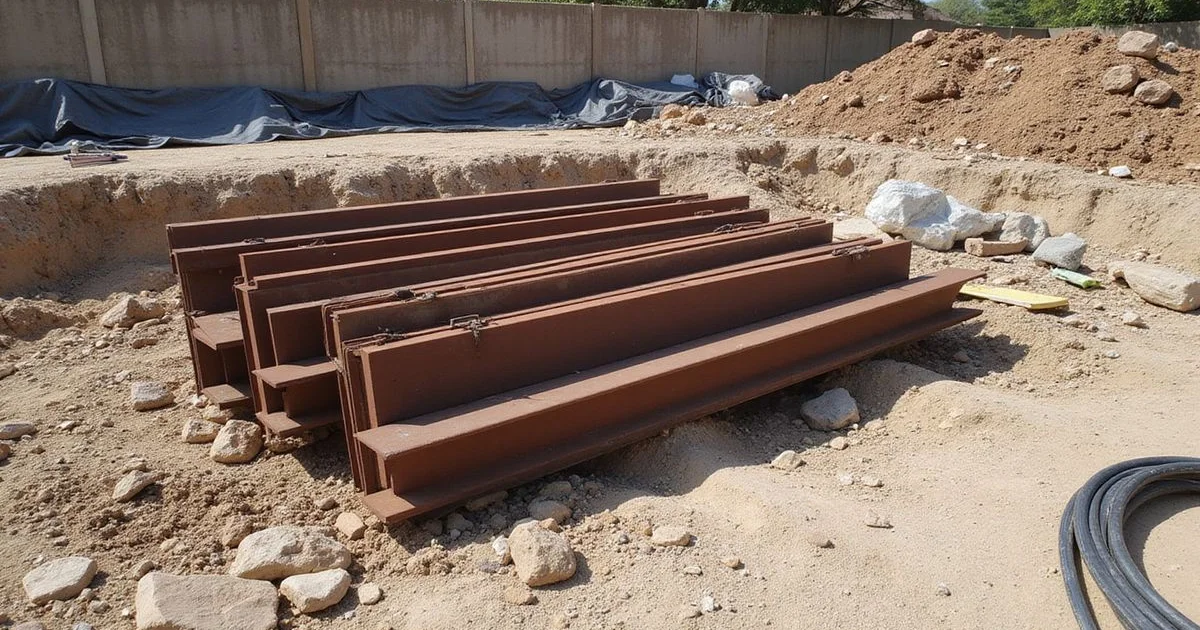
Sections of steel pipe are driven vertically into the ground beneath the foundation. The driving force comes from a hydraulic ram that pushes against the weight of the house itself, using the structure as the reaction. Sections are added one at a time and the pier advances deeper.
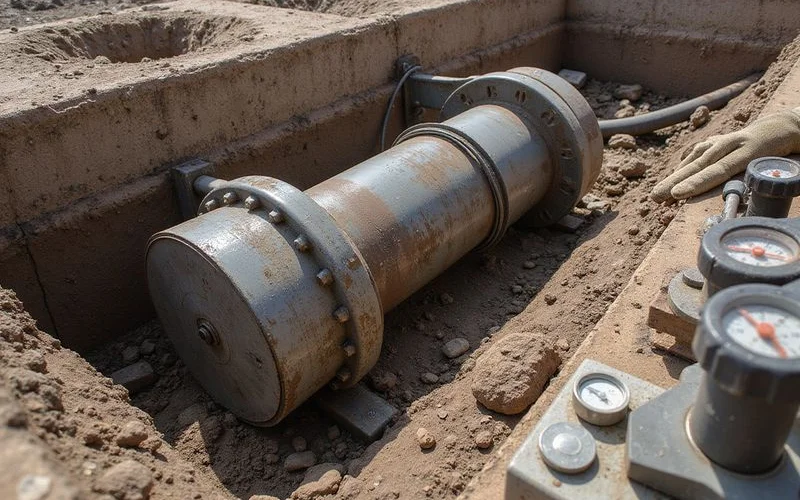
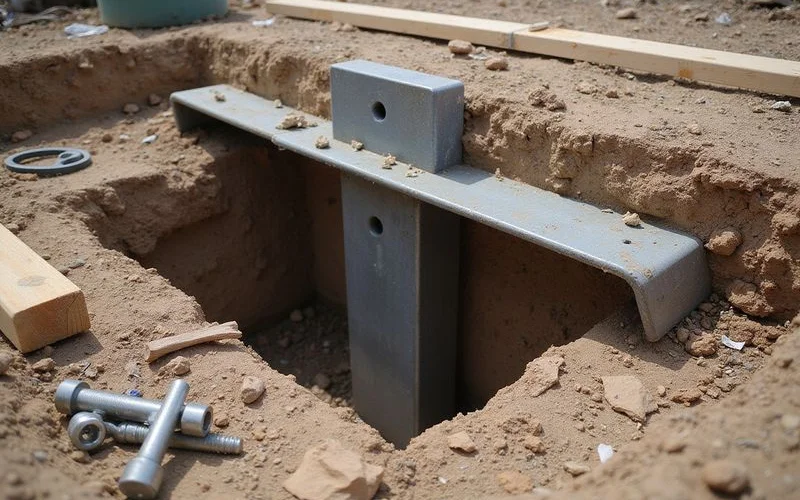
Driving continues until the pier reaches depth-to-refusal, the point at which resistance is sufficient to carry the intended load. A bracket is then fitted beneath the grade beam and load is transferred from the structure onto the pier.
Why installation pressure matters
Because the ram is hydraulic, the pressure required to advance the pier can be read directly. That pressure correlates with the resistance the pier is encountering, which gives a measurable indication of capacity at the point of installation.
That is a genuine advantage. It means capacity is evidenced during the work rather than assumed afterwards, and installation records should show it alongside the depth reached at each location.
Ask what records you will receive. A company recording depths and pressures per location is documenting the work; one that hands over an invoice and nothing else is not.
Where steel piers fit
Deeper bearing material. Steel can generally be driven deeper than pressed concrete systems, which matters where the active zone of expansive clay is deep or where competent material sits well below the surface. East of the I-35 corridor, where Blackland Prairie clay can be substantial, that reach is often the deciding factor.
Situations needing verification. Where documented installation pressure is valued.
Sites with adequate structure weight. The method depends on the building providing reaction force.
Where they fit less well
Light structures or light sections. A porch, a single-storey extension or a lightly loaded corner may not provide enough reaction weight to drive the pier properly. This is a real constraint, not a theoretical one.
Premature refusal conditions. Buried construction debris, old footings, or shallow rock can stop a pier before it reaches genuinely competent bearing material. Distinguishing real refusal from an obstruction requires attention during installation.
Restricted access. Equipment has to reach the location. Interior work is possible but more involved.
Ask what happens if refusal comes early
It is a normal occurrence, and how it is handled, both technically and contractually, should be settled before work starts rather than negotiated over an open excavation.
Steel in the Austin context
| Area | Typical consideration |
|---|---|
| East of the I-35 corridor | Deep expansive clay; reach to competent material often favours steel |
| The Balcones transition | Variable depth; site-specific decision |
| West, limestone and caliche | Shallow rock; premature refusal a genuine consideration |
| Graded subdivision lots | Fill depth varies; profile may differ across one house |
Nothing in that table is a rule. It is a set of questions the evaluation answers for your specific address.
How it compares with concrete
Steel and concrete pier systems are not interchangeable, and neither is universally better. They differ in reach, installation method, how capacity is verified and what conditions they suit. Our balanced comparison of steel piers versus concrete piers sets the two side by side.
What should decide it is your site: soil profile, depth to competent bearing material, structural loads, access and any engineering requirements. Not a brand, and not a ZIP code.