
Why flatwork quotes vary
Concrete leveling is a smaller job than structural foundation work, but the pricing still moves around, and for understandable reasons. Most of it comes down to how much material goes under the slab and how hard it is to get equipment to it.
For the wider cost picture across all foundation services, see what foundation repair costs in Austin.
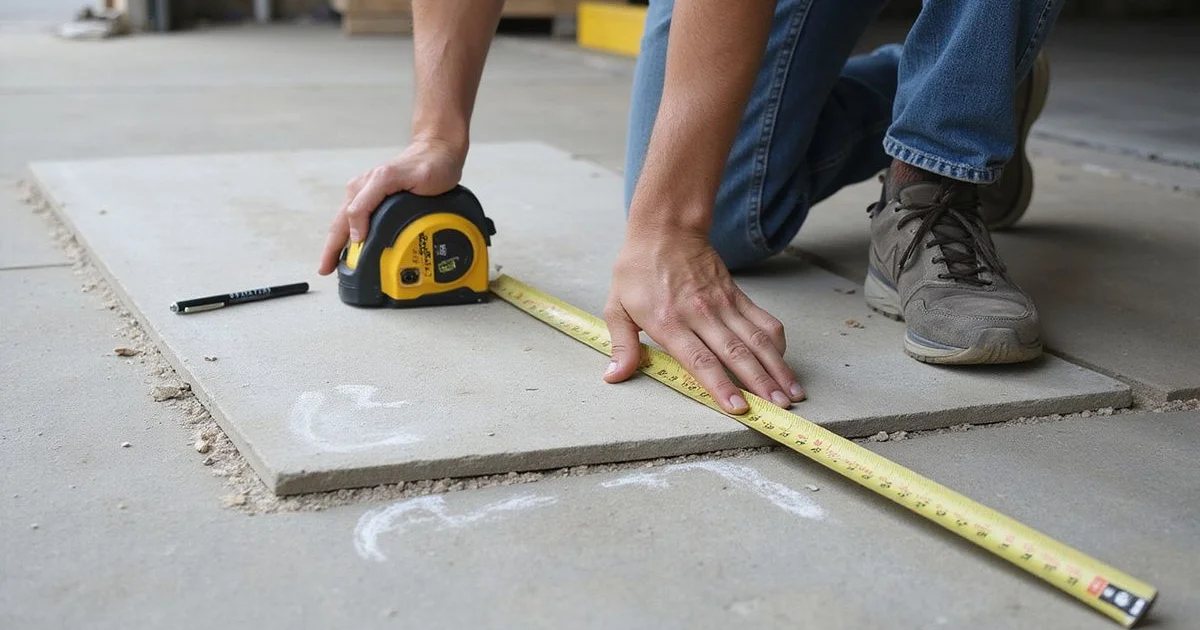
Surface area
The starting point. A single settled sidewalk panel and a full two-car driveway are different jobs. Area determines how many injection points are needed and how much time the lift takes.
Void volume
The variable that is hardest to pin down before work starts. A slab that has dropped half an inch because of shallow settlement needs far less material than one over a substantial washout.
Void volume is estimated from the drop, the area and what the site suggests about how the void formed. It cannot be known exactly until injection begins, which is why a proposal should say how variation is handled: a not-to-exceed figure, a rate per unit of material, or a return visit if conditions differ.
Method
Polyurethane foam generally costs more per unit of material than a cement-based mudjacking slurry. It also cures faster, uses smaller holes and weighs less.
Which represents better value depends on the job rather than on the price per unit. A large void where material volume dominates the cost may favour mudjacking. A visible driveway you need to use that evening may favour foam. Our comparison guide on foam injection versus mudjacking covers the trade-offs.
Access
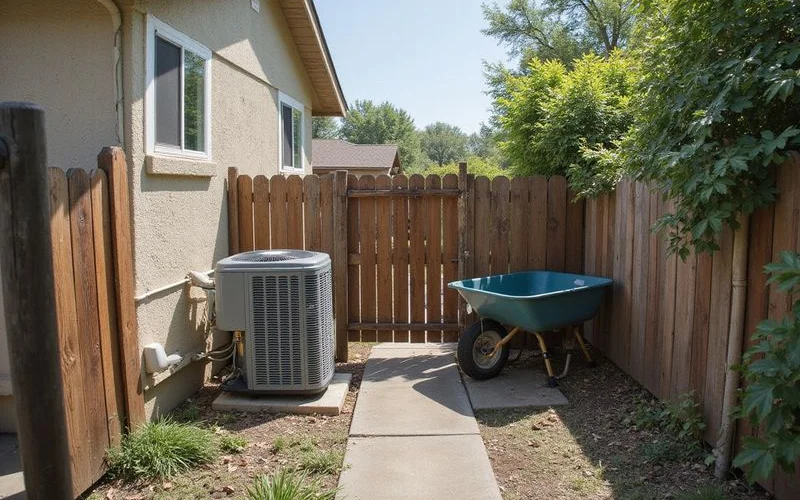
Equipment has to reach the slab. Gated side yards, tight courtyards, steep drives, landscaping in the path and rear patios with no direct access all add setup time and sometimes require longer hose runs.
Slab condition
Sound concrete lifts well. Concrete that is already heavily cracked, spalling or broken into independently moving pieces may not, and lifting it can make it worse.
Where a slab is at the end of its life, replacement is the honest recommendation, and an assessor who says so is doing you a favour rather than turning down work.
Finishing items
| Item | Question to ask |
|---|---|
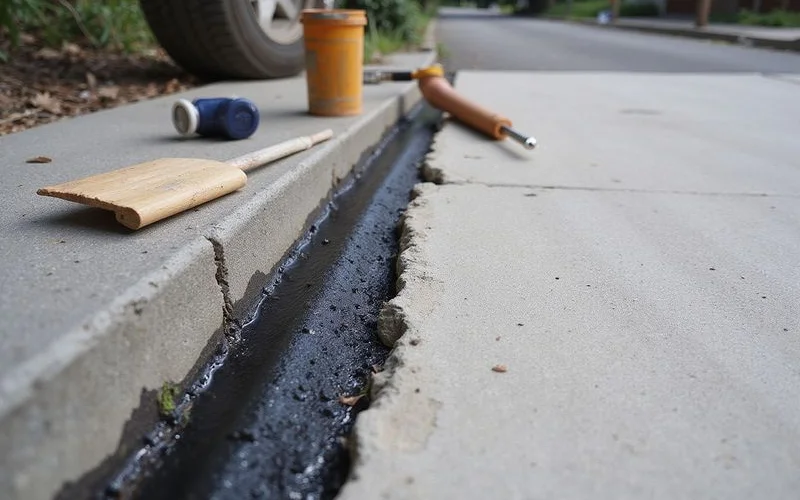
| Injection hole patching | Included, and what will the patches look like? |
| Expansion joint sealing | In scope or separate? |
| Drainage slope target | Restoring fall away from the house, not dead level? |
| Return-to-use time | How long before vehicles or foot traffic? |
| Cause of the void | Identified, and is correcting it in scope? |
| Variation in void volume | How is it priced if more material is needed? |
That last row is the one most worth settling in writing. It is the most common source of a final figure differing from a quoted one.
Getting a number that means something
Have someone look at it. A short visit establishes area, drop, apparent void conditions, slab condition and access, which is everything the price depends on.
And ask what caused the void. A lift priced without any view on why the sub-base went missing is a lift with a shelf life.