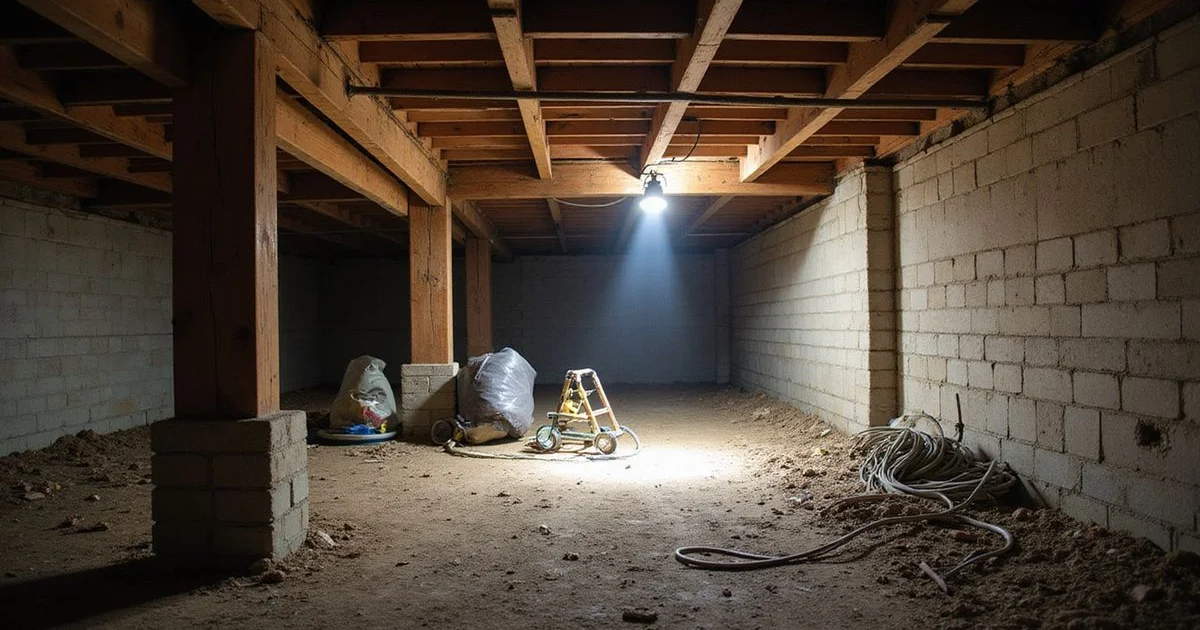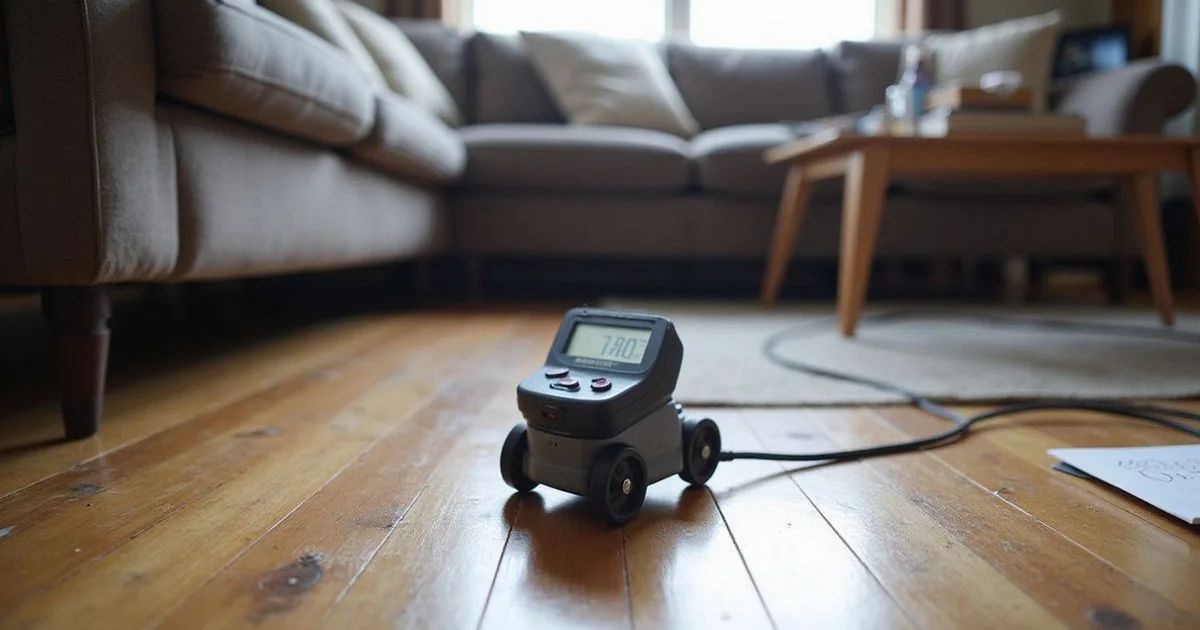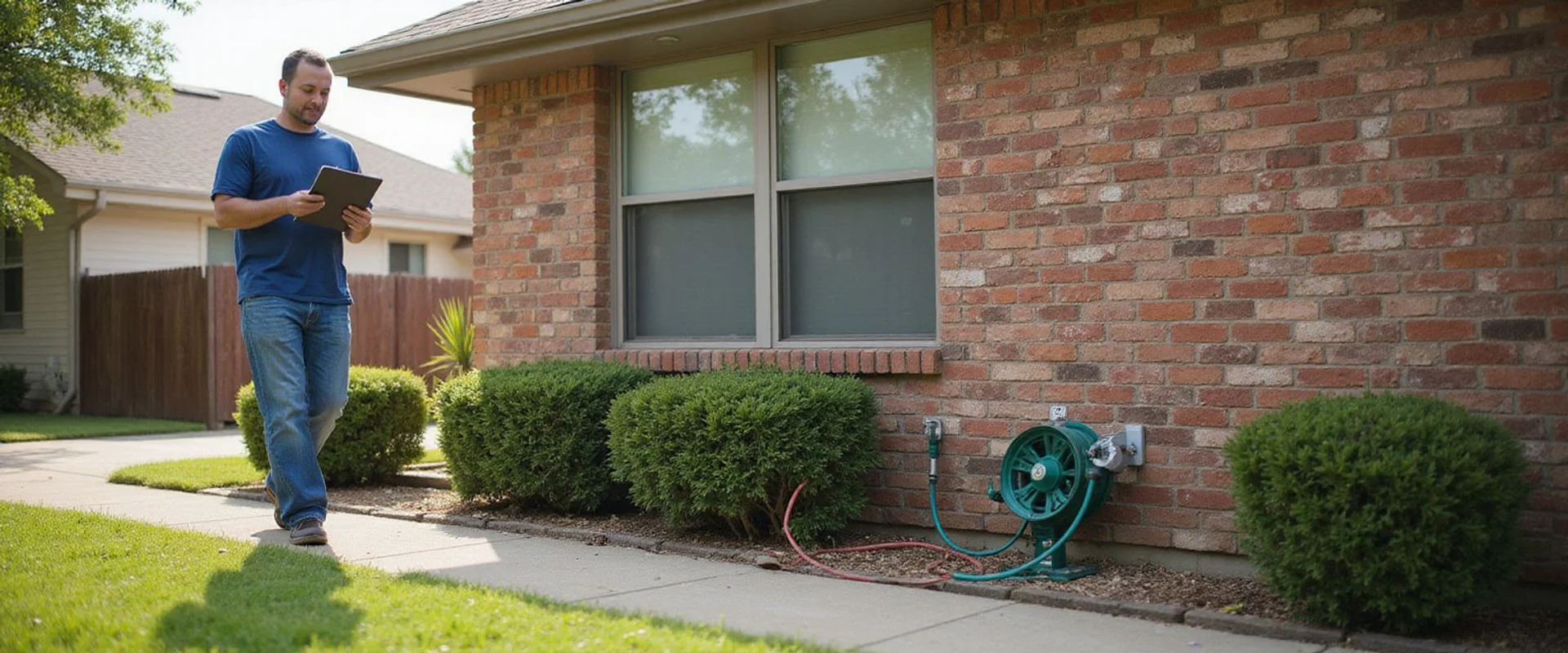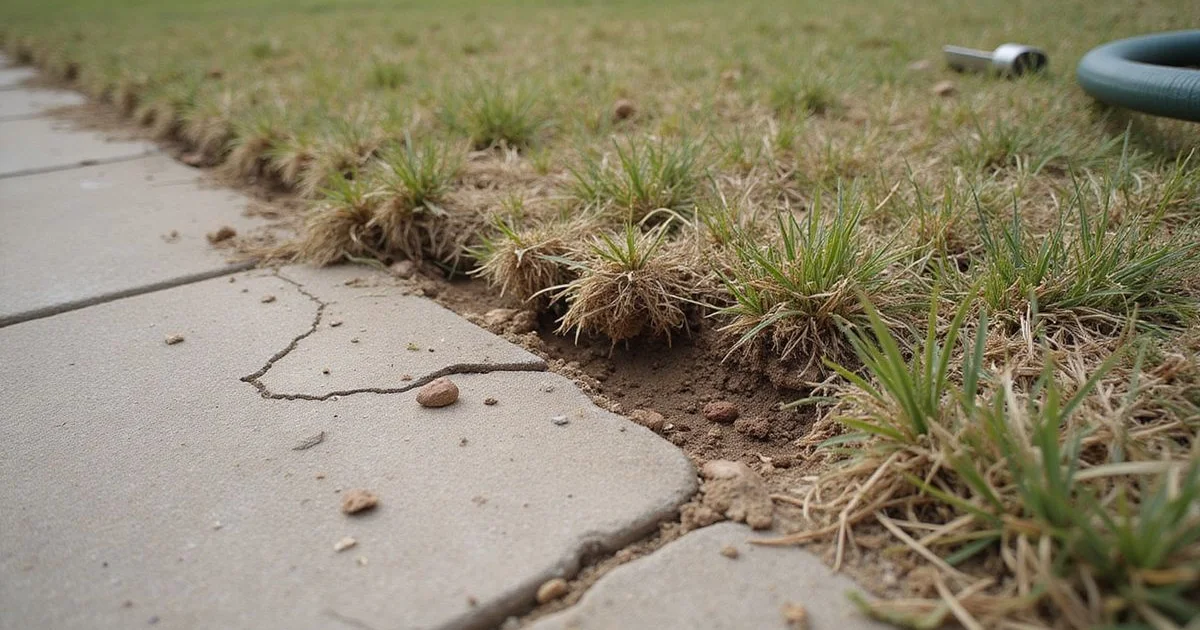
We have come through another dry Central Texas summer, and the calls to our Austin foundation repair team have followed the pattern they follow every year. Cracks that were not there in April. A door that stopped latching in July. Soil that has pulled visibly away from the slab edge.
None of that is a reason to panic, and it is also not a reason to ignore what you are seeing. This post is about what the shrink-swell cycle actually does, what is worth documenting between now and the first sustained rain, and where the line sits between seasonal behaviour and something that warrants measurement.
What the shrink-swell cycle does
Expansive clay soils, which dominate east of the I-35 corridor across Round Rock, Pflugerville, Hutto and much of east Austin, change volume with moisture content. They swell when they take on water and contract when they dry out. In a dry summer, that contraction is substantial, and it happens fastest at the perimeter of a foundation where soil is exposed to heat and evaporation.
The result is support that is not uniform. The centre of a slab sits over soil that has stayed relatively stable, while the edges sit over soil that has shrunk away. That difference, not the overall dryness, is what stresses a structure.
Then the rain arrives, the clay takes on water, and it swells back. Cracks that opened in August often close noticeably in November. That reversal is the signature of seasonal movement, and it is genuinely common on this ground.
Seasonal movement versus progressive movement
Here is the distinction worth carrying into the autumn.
Seasonal movement opens and closes with the weather and returns roughly to where it started. Cracks widen through the dry months and narrow again after sustained rain. Doors bind in late summer and free up later. Nothing has permanently changed.
Progressive movement does not fully return. Each cycle leaves the structure slightly further from where it was, and over several years the baseline shifts. This is what warrants attention, and the only way to establish it is comparison over time against a fixed reference.
You cannot tell the two apart from a single observation in August. That is precisely why documenting now matters more than diagnosing now.
What to document before the rain comes
This is the useful part of a dry season, and it costs nothing.
Photograph every crack you can see, inside and out, with something in frame for scale and a note of which wall or elevation it is on. Date the photos. Note which doors and windows are binding and which are not. Walk the perimeter and note where soil has pulled away from the slab and how wide the gap is. Note anything else that changed this year: a tree removed, irrigation altered, a new patio, re-grading, plumbing work.

Then repeat the same photographs after a stretch of sustained rain, from the same positions. That comparison is worth more than any single opinion about whether a crack looks serious.
One thing not to do: fill the cracks. A filled crack hides the cue and makes the comparison impossible.
Watering a foundation: the practical version
The advice to water your foundation is sound and frequently misapplied.
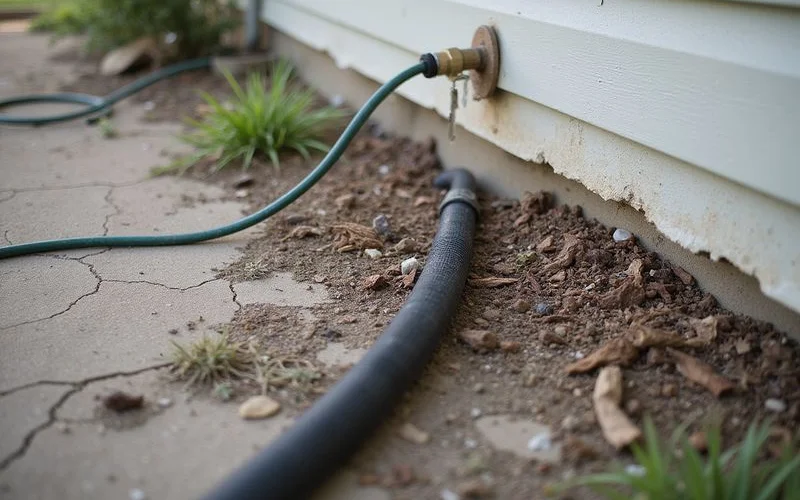
The objective is consistent soil moisture around the perimeter, not saturation. Clay that stays evenly moist moves less than clay that dries out completely and then gets soaked. A soaker hose positioned a foot or so out from the slab, run for a modest period on a regular schedule, achieves that far better than occasional heavy watering.
What to avoid: flooding the perimeter after a long dry spell, which drives rapid swelling and can cause as much stress as the drying did. Watering one side of the house and not the others, which creates exactly the differential you are trying to prevent. And letting sprinkler heads spray directly at the slab edge, which is uneven by design.
Our foundation maintenance guide covers this in more detail, including gutters, grading and trees.
When to stop watching and get measurements
| Situation | Reasonable response |
|---|---|
| A crack appeared and stayed roughly the same | Document and compare after rain |
| Several doors across the house changed at once | Worth getting elevations measured |
| Cracks reopened wider than last year | Comparison over time suggests progression |
| Visible vertical displacement across a crack | Get it evaluated |
| A floor area feels newly uneven | Get it evaluated |
Relative elevation readings give you a baseline that turns next summer’s observations into data rather than impressions. Even when the finding is that nothing currently warrants repair, having a documented starting point is what makes the next comparison meaningful.
Seeing new cracks after this summer? — Read about foundation warning signs
Related service: Foundation Warning Signs
What common foundation observations may indicate, what cannot be judged from appearance, and when to get an evaluation.
Read about Warning Signs