
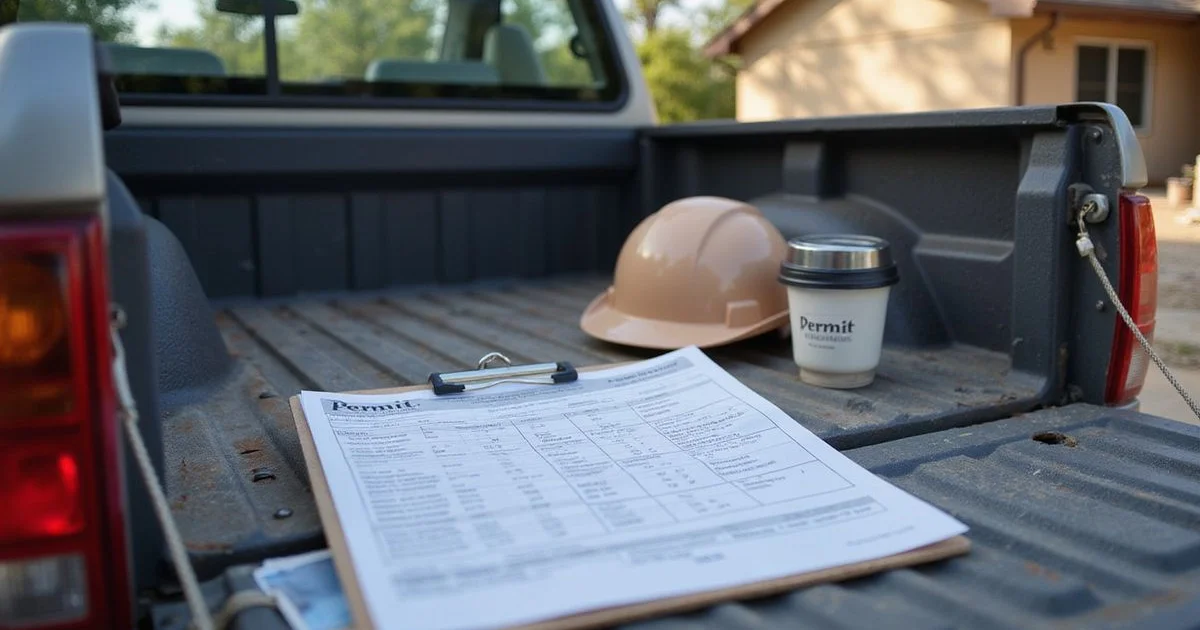
Why permitting comes up at all
Foundation repair is structural work, and structural work is generally regulated. Whether a permit is required for your particular project depends on what is being done and where your property sits, which in the Austin area is less straightforward than it sounds. For context on the work permitting applies to, see our overview of foundation repair in Austin.
This guide explains how the picture usually works. It is general information rather than a ruling on your property, because jurisdictions update their requirements and scope varies. Confirm the specifics for your address before work begins, and make sure the proposal says who is handling it.
Who has jurisdiction over your address
This is the first question, and the answer is not always obvious.
Inside the City of Austin limits, the Development Services Department handles residential permitting. That covers a substantial area but by no means all of what people call Austin.
In unincorporated Travis County, county requirements apply and they are not identical to the city’s.
In neighbouring incorporated cities such as Round Rock, Cedar Park, Leander, Pflugerville, West Lake Hills, Rollingwood, Bee Cave, Lakeway, Georgetown, Hutto, Buda, Kyle and San Marcos, each city runs its own permitting.
In Williamson and Hays counties outside those city limits, county requirements apply.
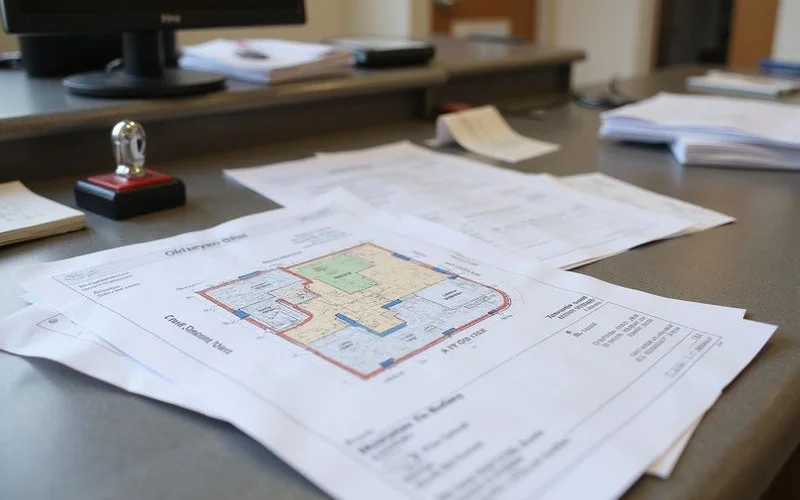
A property with an Austin mailing address can sit outside the city limits entirely. That is common enough that we check rather than assume, and you should expect any contractor to do the same.
When a permit is typically required
Broadly, the more structural and the more extensive the work, the more likely a permit applies.
Installing supports beneath a foundation to transfer structural load is the kind of work that commonly triggers a permit requirement. Underpinning, pier installation and structural modification generally fall in scope. Where an engineered plan governs the repair, permitting and plan review often go together.
Smaller, non-structural work is less likely to require one. Concrete leveling of flatwork such as a driveway or patio, drainage correction, and cosmetic repair usually sit outside structural permitting, though local rules vary and drainage work can have its own considerations.
Do not treat “no permit needed” as a selling point
A contractor who tells you a permit is unnecessary should be able to explain why, in terms of your jurisdiction and your scope. Avoiding permitting is not a saving if it creates a problem at sale.
What the process usually involves
Where a permit is required, the sequence is broadly: the scope is defined, an engineered plan is prepared if the jurisdiction or the work requires one, the application is submitted with supporting documentation, review takes place, the permit is issued, and inspection occurs at defined points.
Timelines vary by jurisdiction and workload. Build that into your expectations rather than assuming work starts the week after you sign.
Engineering and permitting are related but distinct
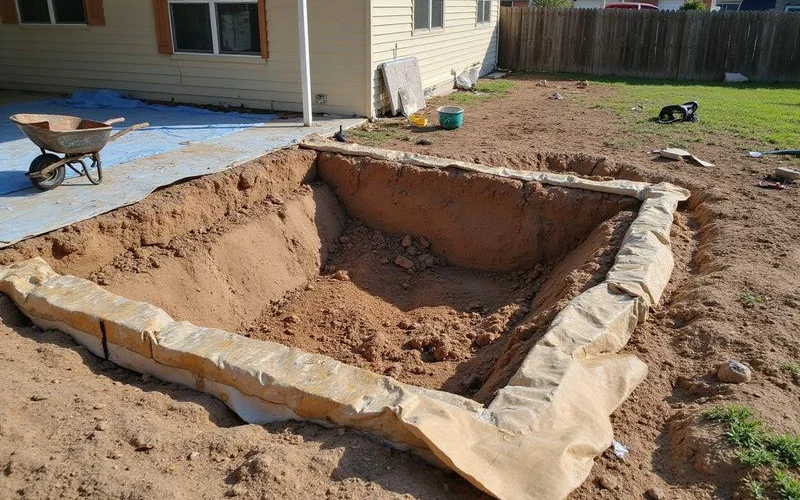
A permit is a regulatory approval. An engineered plan is a technical document prepared by a licensed Professional Engineer specifying the repair. Some jurisdictions require the latter as part of the former for structural foundation work.
That is separate from the question of whether you want an independent engineering opinion for your own decision-making. Our guide on engineers versus repair contractors covers the difference and when an independent assessment is worth commissioning.
What to confirm before signing
| Question | Why it matters |
|---|---|
| Which jurisdiction governs this address? | City and county requirements differ |
| Is a permit required for this scope? | Determines timeline and documentation |
| Who applies and who pays the fee? | Should be explicit in the proposal |
| Is an engineered plan required or included? | Affects both cost and schedule |
| What documentation will I receive afterwards? | Matters at resale and for insurance |
Keep whatever paperwork the process generates. Permits, engineered plans, inspection records and warranty documentation all become useful when you sell, refinance or make an insurance claim.
If you are still at the stage of working out whether repair is warranted at all, permitting is a downstream question. Start with a foundation evaluation and let the scope determine the rest.