
What older Austin homes tell you
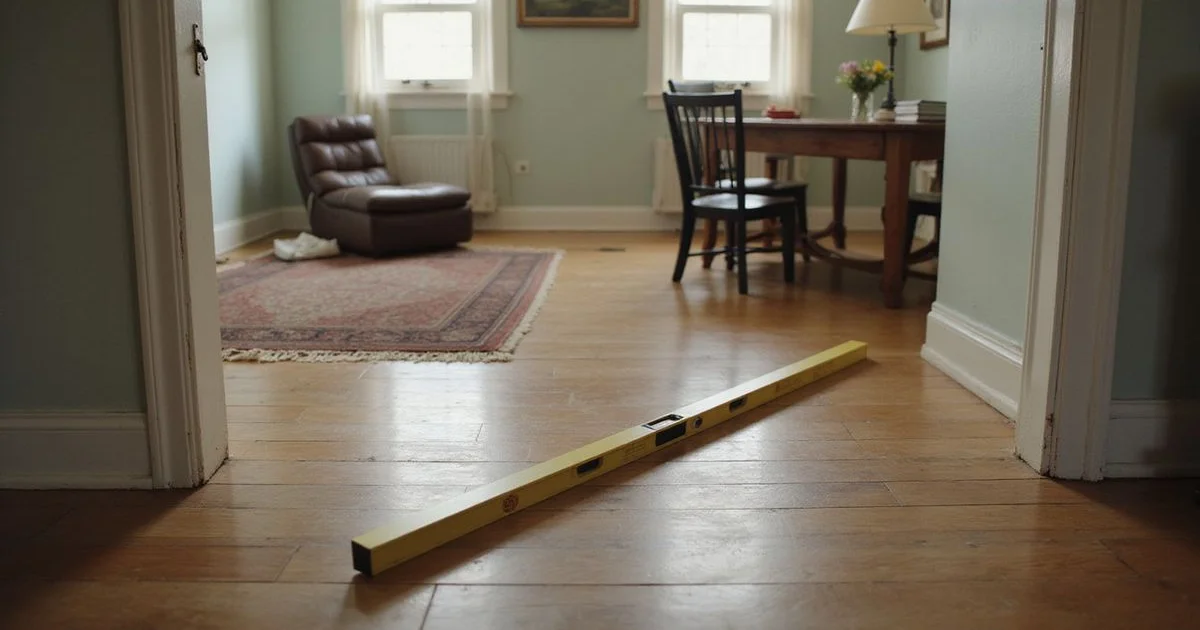
Pier-and-beam houses communicate differently from slab houses. The dramatic wall cracking that dominates slab discussions is less prominent here, and the signals show up mostly in the floor.
If you own a home in Hyde Park, Clarksville, Travis Heights, Bouldin or older East Austin, this is your list. The service context is on our pier-and-beam repair page.
Floors that have changed
Bounce or softness underfoot is the classic pier-and-beam signal. A floor that flexes as you walk across it is telling you something about joist condition, span or support rather than about soil.
Sagging or sloping in a specific area, particularly one that has developed rather than always been there. A marble that rolls consistently in one direction, furniture that has started to sit unevenly, or a visible dip toward one part of a room.
Localised give near an exterior wall or a bathroom often points to moisture damage, because those are the places where water most commonly reaches framing.
Gaps and separation
Gaps opening between baseboard and floor along a wall. Separation at door casings. Interior doors that have started to bind or swing on their own. Trim pulling away at a corner.
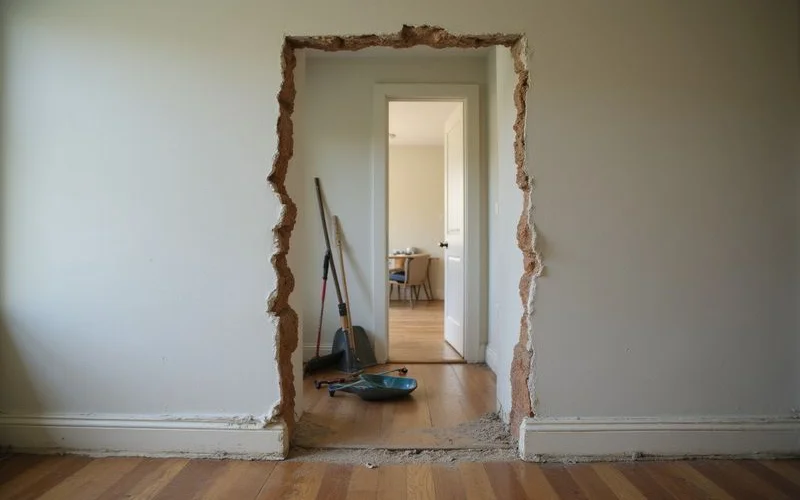
These matter more when they are new or growing. Older homes carry plenty of long-standing irregularity, so a gap that has been there for twenty years reads very differently from one that appeared this year.
Crawlspace cues
This is where pier-and-beam assessment genuinely differs, and you can check some of it yourself with a torch from the hatch.
A musty smell inside the house, particularly noticeable in one room or near the floor, frequently originates below.
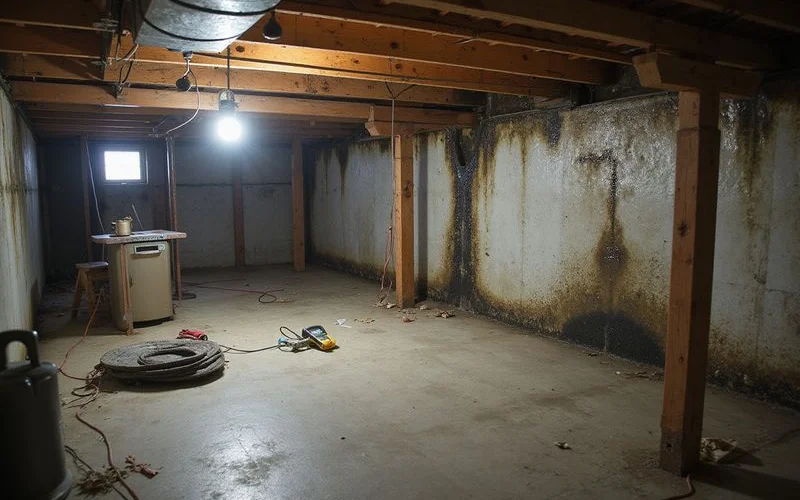
Visible dampness on soil or framing. Standing water is a clear signal. So is soil that is dark and damp when the weather has been dry.
Dark staining or surface growth on girders and joists. Wood that looks soft, fibrous or crumbly at an edge.
Missing or damaged vapour retarder, or none at all over bare soil.
Deteriorated posts, particularly older cedar supports, showing decay where they meet the ground or their footing.
Look outside as well as underneath
Crawlspace water almost always originates at the surface. Downspouts discharging at the stem wall, grade falling toward the house, and blocked vents are the usual culprits, and all three are visible from outside.
What appearance cannot settle
| Question | What is needed |
|---|---|
| Is the slope original or new? | Relative elevation readings plus construction context |
| Is the wood still sound? | Crawlspace inspection and probing |
| Is the moisture active or historical? | Moisture readings and observation over time |
| Is it getting worse? | Comparison against a documented baseline |
That is why a pier-and-beam assessment is not complete without getting under the house. Readings from above tell you what is happening. The crawlspace tells you why.
What to document
Photograph the affected floor areas and any gaps, with locations and dates. Note which rooms feel soft. Record any musty smell and where it is strongest. If you can safely open the crawlspace hatch, photograph what you see, including soil condition and any visible framing.
Note anything that changed: a plumbing leak, a new patio or deck, altered grading, removed landscaping, or a period of unusually heavy rain.
Our broader guide on foundation warning signs covers the observations shared with slab homes. For the pier-and-beam-specific issue of moisture and decay, see crawlspace moisture, wood rot and sagging joists.