
Direction changes everything
Most people picture foundation problems as a house sinking. That is settlement, and it is real and common. But a substantial share of what we assess in Central Texas is the opposite: part of a structure being pushed up.
That is upheaval, sometimes called heave, and it matters because the cause and the correct response are different. Installing supports to lift a structure that is already being lifted from below addresses nothing.
This guide explains the distinction and how it is identified. For the broader observation set, see foundation warning signs.
Settlement
Downward movement. Soil beneath part of a foundation loses volume or bearing capacity, and the structure follows it down.
Common causes here: expansive clay shrinking during dry periods, particularly at the perimeter where moisture changes fastest; fill consolidating under its own weight over years; a mature tree drawing moisture from soil on one side of a house; and sub-base erosion where water has washed material away.
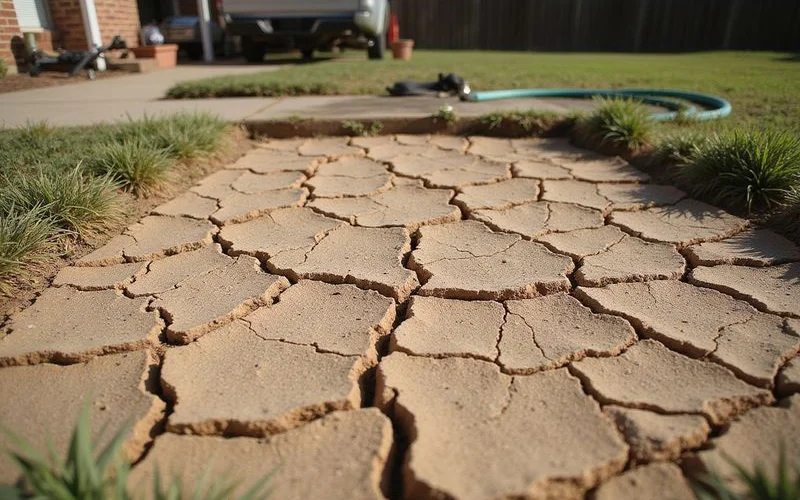
Typical pattern: deviation at perimeters and corners, often worst on the side with the least consistent moisture or the nearest large tree. Elevation readings show the affected area sitting low relative to the rest.
Upheaval
Upward movement. Soil beneath part of a foundation gains volume and pushes the structure up.
Common causes here: an under-slab plumbing leak saturating soil beneath a slab; expansive clay swelling after prolonged wet conditions, especially following a long dry period; drainage directing water to one area repeatedly; and occasionally the removal of a mature tree that had been keeping soil dry for decades.
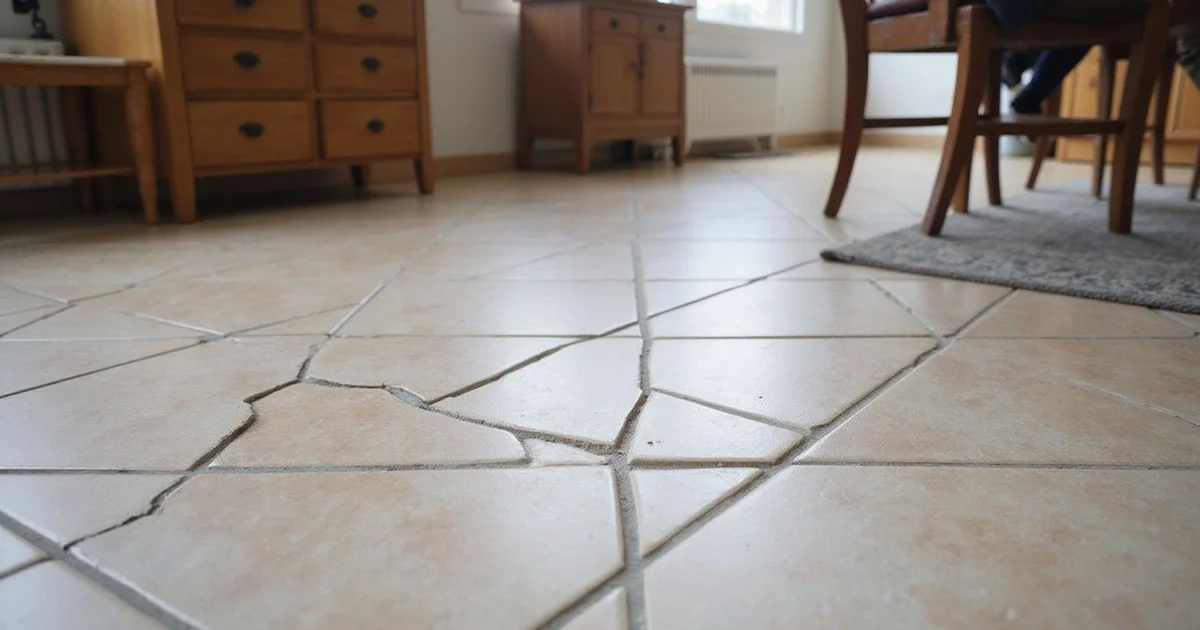
Typical pattern: a slab sitting high near its centre relative to the perimeter, which is close to the opposite of the classic settlement signature. Tile cracking radiating from a central area, doors binding at the bottom rather than the top, and sometimes a visible bulge in the floor.
Why the distinction changes the response
| Settlement | Upheaval | |
|---|---|---|
| Direction | Down | Up |
| Common cause | Soil shrinkage, consolidation, erosion | Added moisture, often a leak |
| First step | Support and stabilise | Identify and remove the water source |
| Plumbing testing | Sometimes relevant | Frequently the priority |
| Risk of wrong response | Under-scoping | Installing support that fixes nothing |
Where upheaval is indicated, the sequence is to identify the moisture source, remove it, allow soil time to release moisture, re-measure, and only then decide whether structural work is warranted. Jumping to support installation skips the part that actually matters.
Our guide on under-slab plumbing leaks and hydrostatic testing covers how leak testing works and who performs it.
Both can be present
A house can settle at one corner while another area heaves. That is not unusual on expansive clay with variable drainage, and it is another reason a full elevation map beats a single observation.
The shrink-swell cycle behind both
Expansive Blackland Prairie clay, dominant east of the I-35 corridor, swells when wet and contracts when dry. That single mechanism produces both patterns depending on where and when the moisture change happens.
A dry summer contracts perimeter soil, which reads as settlement at the edges. Sustained rain swells it back. A leak under the middle of a slab swells soil where nothing else is changing, which reads as heave at the centre.
This is why seasonal observation and a documented baseline are so useful here. A single snapshot cannot distinguish a house mid-cycle from a house that has genuinely shifted.
How it gets identified
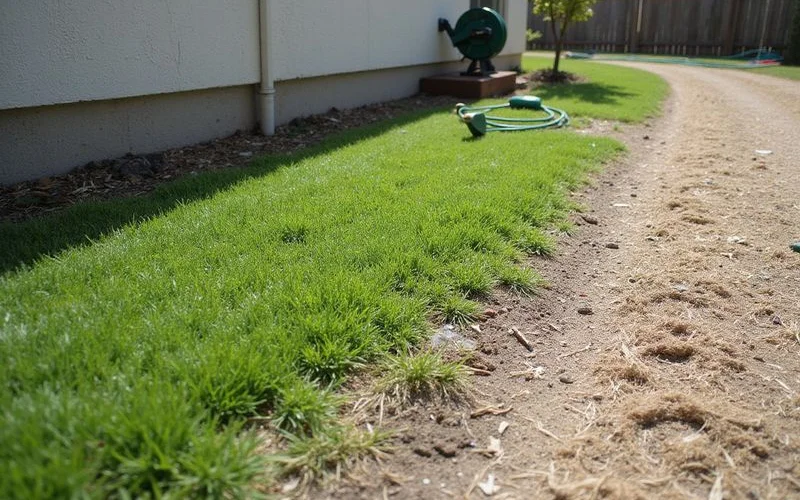
Relative elevation readings across the living areas, producing a map rather than a number. Drainage and grading review. Plumbing signs, including unexplained water bills, warm spots, damp flooring or a patch of yard staying green in dry weather. History, particularly anything that changed moisture conditions.
Where the pattern suggests heave, plumbing testing by a licensed plumber follows. Where it suggests settlement, the question moves to support and scope.
Either way, the reading comes first and the conclusion comes second. If you are still at the stage of working out what you are looking at, the visible cues are covered in our guide to uneven and sloping floors, which is often the first sign homeowners notice in either direction.